





The Rice Water Phenomenon
Rice water, a practice rooted in ancient East Asian beauty rituals, has surged in global popularity as a natural hair care solution. Originating from traditions
like those of Japan's Heian period and China's Red Yao tribe, this starchy liquid is now widely recognized and scientifically supported for its hair-enhancing properties. It's believed to significantly strengthen hair strands, boost overall shine, and notably reduce hair fall, provided it's employed with the correct application techniques. This resurgence highlights a growing interest in natural, time-tested remedies for achieving healthier and more resilient hair.
Decoding Rice Water's Magic
The efficacy of rice water lies in its rich nutritional composition. Primarily, it's the starchy water left after rice is soaked or boiled, brimming with beneficial compounds. It contains essential amino acids crucial for fortifying the hair shaft, creating a more robust structure from root to tip. Furthermore, inositol, a type of carbohydrate found in rice water, plays a vital role in enhancing hair elasticity and smoothing the hair's surface, thereby minimizing friction. The presence of the B vitamin complex contributes to a healthier scalp environment, essential for robust hair growth. Additionally, it's packed with minerals like zinc and magnesium, alongside a wealth of antioxidants that shield hair from environmental stressors and support its overall well-being.
Simple DIY Rice Water Recipe
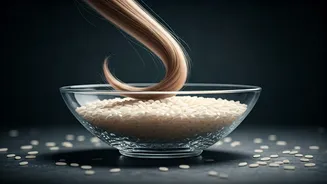
Crafting your own rice water is straightforward. For a basic version, begin by rinsing approximately ½ cup of uncooked rice to remove any impurities. Then, soak the cleaned rice in 3 cups of clean water for about 30 minutes. After this soaking period, strain the water into a clean bowl. To store, transfer it to a glass jar and refrigerate it for up to two days. If you desire a more potent formula, you can opt for fermentation. After the initial soaking and straining, leave the rice water at room temperature for an additional two days until it develops a slightly sour scent. Before use, dilute this fermented water with an equal amount of fresh water. This fermentation process is known to amplify the antioxidant content and lower the water's pH level, which can be beneficial for the scalp.
Expert Application Tips
To maximize the benefits of rice water and avoid potential adverse effects, careful application is key. Always dilute the rice water before use, as a concentrated solution can be excessively rich in protein, which might not be ideal for the scalp. It's advisable to perform a patch test, especially if you have a sensitive scalp, to check for any reactions. Crucially, always follow up your rice water application with a conditioner. Rice water contains protein-like compounds, and conditioning helps to rebalance moisture levels, preventing dryness. Avoid using rice water daily, as over-application can lead to brittle and dry strands. Instead, opt for less frequent use. Incorporating a scalp massage after applying rice water can further enhance its effectiveness by boosting blood circulation, which is vital for promoting natural hair growth cycles. Patience and consistency are far more important than the intensity or frequency of application.