





Dandruff: Beyond Hygiene Myths
Many people wrongly believe that dandruff is solely a consequence of not washing their hair often enough. However, experts clarify that while scalp cleanliness
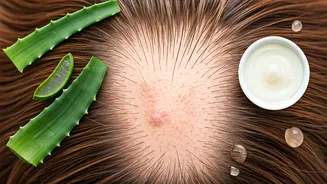
is part of overall hair health, dandruff itself is a more complex issue. Scientific research indicates that dandruff is primarily caused by an imbalance in scalp microorganisms and an inflammatory reaction, rather than simply infrequent washing. Individuals who maintain regular washing routines can still experience persistent itching and flaking, highlighting that the root cause lies deeper than surface cleanliness. Understanding the scalp's intricate environment is crucial to effectively addressing this common concern and moving past the simplistic hygiene hypothesis.
The Malassezia Connection
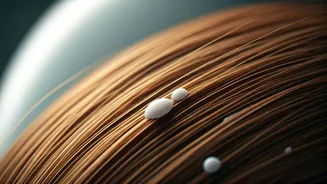
At the heart of dandruff lies the proliferation of Malassezia globosa, a type of yeast naturally present on everyone's scalp. This microorganism typically coexists peacefully, but certain conditions can lead to its rapid multiplication. Factors such as increased oil production by the scalp, excessive perspiration, humid climates, environmental pollution, periods of stress, and inconsistent hair washing practices can all contribute to this overgrowth. When Malassezia thrives, it begins to metabolize the scalp's natural oils, known as sebum. This metabolic process results in by-products that can irritate the scalp's protective barrier, initiating an inflammatory response and accelerating the shedding cycle of skin cells. These rapidly shed cells then clump together, forming the characteristic visible flakes associated with dandruff.
Targeting the Root Cause
A significant misconception regarding dandruff treatment is that simply eliminating visible flakes is sufficient. Many individuals opt for shampoos that promise immediate flake reduction, which may offer temporary relief but often fail to address the underlying microbial imbalance. This approach can lead to a recurring problem, as the primary trigger remains untreated. It is therefore essential to scrutinize the ingredients in anti-dandruff shampoos. Not all active components function similarly; some focus on exfoliating the scalp or slowing down skin cell turnover, which can reduce flakes temporarily but may not effectively control the fungal overgrowth responsible for the condition. A truly effective solution must address both the scalp's environment and the microbial imbalance that causes dandruff.
Effective Management Strategies
Ingredients specifically designed to target Malassezia are key to addressing the fundamental cause of dandruff. One such clinically validated ingredient is Piroctone Olamine. This antifungal compound works by impeding the growth and activity of Malassezia, thereby helping to manage its overpopulation on the scalp. By limiting the fungus's proliferation, it contributes to reducing irritation and restoring the scalp's natural equilibrium. Furthermore, Piroctone Olamine is formulated to be gentle enough for frequent use, promoting consistent scalp care. Clinical studies have shown Piroctone Olamine to possess significant antifungal properties against Malassezia species, leading to a sustained decrease in dandruff severity when compared to formulations lacking antifungal action. This validates the importance of selecting shampoos that directly combat the fungus.
Holistic Scalp Care Habits
Beyond choosing the right shampoo, adopting healthy scalp habits plays a crucial role in managing dandruff and maintaining overall scalp well-being. Regularly washing the scalp, especially after periods of significant sweating, helps prevent the accumulation of excess oil and environmental impurities. It is also beneficial to keep hair accessories, such as helmets, clean and to avoid prolonged exposure of the scalp to moisture. Furthermore, effective stress management can contribute positively to scalp health. While dandruff might seem like a superficial cosmetic issue, it often signals an underlying disruption in the scalp's delicate balance. By understanding the role of Malassezia and opting for treatments that target the root cause, individuals can make more informed decisions to achieve and maintain a healthier, more balanced, and flake-free scalp through consistent and proper care.