



The Rise of Seat Divorce
In the often-grueling world of air travel, couples are discovering a novel strategy to enhance their journey and, paradoxically, their relationship: 'seat
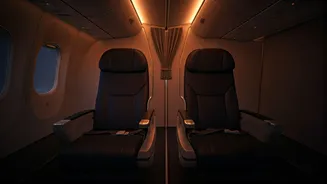
divorce.' This isn't about marital strife; rather, it's a conscious decision by partners to occupy separate seats during a flight. Imagine a scenario where a long day of wrangling children, managing logistics, and battling jet lag culminates in an overnight flight. Suddenly, the intimacy of sitting side-by-side feels less like connection and more like an unwanted imposition, especially when one partner craves quiet solitude. 'Seat divorce' emerges as a solution, allowing individuals to find their own space—whether by the window for contemplation, the aisle for easy movement, or even different rows entirely—to rest, enjoy entertainment, or simply decompress without the obligation of constant interaction. This deliberate act of physical separation is proving to be a potent tool for preserving emotional energy, ultimately making the travel experience, and subsequent time together, significantly more pleasant.
Beyond Proximity: Practicality and Romance
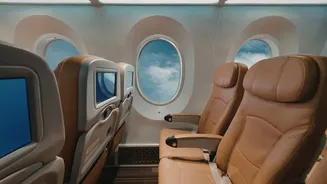
While societal norms often link physical closeness with relationship strength, the growing adoption of 'seat divorce' challenges this notion. Couples are increasingly recognizing that forced proximity doesn't automatically translate to genuine connection. How many times have we witnessed pairs rearranging themselves, only to spend the flight engrossed in their devices or noticeably disengaged? 'Seat divorce' flips this script by prioritizing individual comfort and preference. It means avoiding the dreaded middle seat and ensuring both partners can settle into their preferred spots—window or aisle—without compromise. For individuals who require more space or simply find certain seats uncomfortable, this choice is not merely about convenience but about fundamental physical well-being. Much like the concept of 'sleep divorce,' where separate sleeping arrangements improve rest, 'seat divorce' aims to enhance the quality of shared experiences by ensuring each person arrives at their destination feeling refreshed and less encumbered by the journey's discomforts.
Strengthening Bonds Through Space
The practice of 'seat divorce' is finding validation from relationship experts who acknowledge its potential to improve connections. Therapists observe that our culture often misinterprets visible togetherness as a sign of a healthy relationship, leading to unsolicited interventions by others who believe couples 'should' be seated together. However, this perspective overlooks the nuanced nature of intimacy. Continuous side-by-side seating can, in fact, lead to a sense of complacency or background noise in a relationship, where partners coexist but aren't truly present for one another. Conversely, couples who opt for 'seat divorce' often report a more intentional and meaningful reconnection upon landing. They look forward to sharing experiences like discussing films they watched separately, exchanging stories about their individual flights, or simply engaging in brief, deliberate check-ins. These small, chosen moments of interaction can hold far more weight and authenticity than hours of obligated companionship.
Reclaiming Comfort and Energy
The practical motivations behind 'seat divorce' are numerous, especially given the increasingly challenging nature of air travel. From cramped seating and frequent delays to the general chaos of airports, every aspect of comfort is now highly valued. When couples sit together, one partner frequently ends up in the less desirable middle seat. Granting both individuals their preferred seat—window for views, aisle for freedom of movement—significantly enhances the travel experience, particularly on extended flights. Beyond the physical advantages, there's a profound emotional benefit. The ability to disconnect, recharge, and engage in personal activities without the subtle pressure of maintaining a couple's facade is invaluable. This dedicated personal time allows individuals to conserve their energy, ensuring they can be more present, patient, and compassionate when they reunite with their partner after the flight.
Communication and Mutual Respect
For 'seat divorce' to be successful and beneficial, open communication and mutual agreement between partners are paramount. It is not about avoidance but about acknowledging and honoring individual needs. Couples who embrace this approach often engage in pre-flight discussions about their preferences, considering factors like who might need more legroom, who is a nervous flyer, or who has a strong aversion to the middle seat. This level of clear dialogue fosters trust, as decisions are made collaboratively, preventing potential resentment or one-sided sacrifices. Fundamentally, 'seat divorce' exemplifies a healthy balance in a relationship. When one partner consistently compromises their comfort or puts their needs last, it can subtly erode the relationship's equilibrium. By reclaiming their personal space, even temporarily during travel, individuals can maintain a greater sense of self and balance, contributing to a more equitable partnership.
Personal Space as Strength
Far from being an indicator of relational distress, 'seat divorce' is often cited by couples as a practice that actually enhances their mutual appreciation. When partners are not contending for armrests or dealing with minor irritations born from close proximity, they arrive at their destination feeling more relaxed, open, and generous towards each other. This positive shift in mindset profoundly influences the overall tone and enjoyment of their trip. In essence, 'seat divorce' reflects a broader evolution in how couples define and cultivate intimacy. It underscores the understanding that true connection extends beyond mere physical closeness, encompassing emotional attunement, transparent communication, and a deep respect for individual boundaries and personal space, ultimately contributing to a more resilient and fulfilling partnership.