




Introducing the Washlet
The Washlet represents a significant leap forward in personal hygiene technology, originating from Japan and developed by Toto. This sophisticated toilet
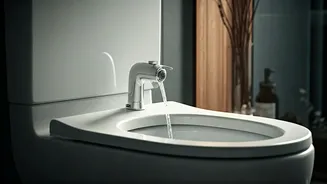
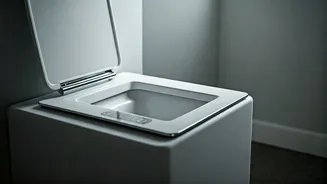
seat integrates a plethora of features designed to elevate the user experience beyond traditional methods. At its core, it boasts a bidet function that provides a cleansing stream of warm water, with adjustable settings for both temperature and pressure, ensuring a personalized and thorough clean. Beyond this primary function, many models incorporate a heated seat for enhanced comfort, a built-in deodorizer to maintain freshness, and some even offer a warm-air dryer for a completely hands-free experience, minimizing or even eliminating the need for toilet paper. This innovation is not merely about convenience; it's about fostering a more hygienic and comfortable environment within the bathroom, a concept that has resonated deeply, leading to its widespread adoption in Japan and growing popularity across the globe.
How the Technology Works
The advanced functionality of the Washlet centers around its intelligent bidet system. A discreet nozzle extends to deliver a targeted stream of warm water for both anal and genital cleansing. This nozzle is meticulously engineered with separate directional settings, specifically designed to prevent any backsplash into the toilet bowl, thereby maintaining a cleaner environment. Furthermore, for optimal hygiene, the nozzles undergo a self-cleaning cycle using warm water both before and after each operation. To ensure user safety and prevent accidental activation, most Washlet models are equipped with a seat-presence sensor. This sensor detects if a user is properly seated, and the water spray will only commence when this condition is met. Beyond these core features, sophisticated Washlets include amenities like heated seats, integrated warm-air dryers, effective deodorizers, and intuitive touchless controls accessible via remote or motion sensors, truly embodying what the company terms as life-changing 'hygiene, design, and wellness' technology.
Environmental and Economic Impact
The widespread adoption of Washlet-style bidets has profound implications for environmental sustainability. Producing hundreds of millions of tons of toilet paper annually places immense strain on global forests, consumes vast quantities of water, and contributes significantly to carbon emissions throughout its lifecycle. In contrast, a typical Washlet cleaning cycle uses a mere 500 milliliters of water, a minuscule amount when compared to the water footprint associated with manufacturing a single roll of toilet paper. A 2021 study published in the Journal of Cleaner Production indicated that transitioning to a bidet could reduce the carbon footprint associated with bathroom hygiene by as much as 75 percent over time. This substantial reduction in paper consumption not only conserves natural resources but also alleviates pressure on municipal wastewater systems, decreasing the likelihood of blockages caused by paper accumulation in aging pipe infrastructure, while also making the upgrade increasingly accessible due to more affordable options becoming available.
Global Shift Towards Water Cleansing
The movement away from traditional toilet paper towards water-based cleansing methods, spearheaded by innovations like the Washlet, is gaining significant momentum globally. For decades, these water-spraying fixtures have been a standard fixture in Japanese households, with over 80 percent now regularly utilizing them, and more than 70 million units sold worldwide since the first model's launch in 1980. This trend is now rapidly expanding into North America and Europe, a surge partly catalyzed by the COVID-19 pandemic, which highlighted the fragility of toilet paper supply chains and encouraged consumers to explore reliable alternatives. What was once considered a luxury item has become a practical and desirable upgrade for many families, offering a compelling combination of enhanced hygiene, superior comfort, and eco-friendliness, all integrated into a single, efficient device. Entry-level bidet attachments, compatible with most standard toilets, are now available for around 40 dollars, while more advanced models with features like temperature control and remote operation can be found for under 600 dollars, with installation typically being a straightforward process.