



Heritage and Innovation
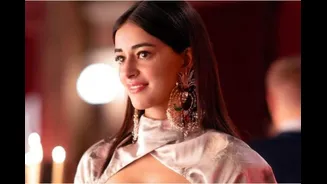
India's fashion scene is a captivating blend of age-old traditions and contemporary flair. The country's extensive history has given rise to diverse textiles
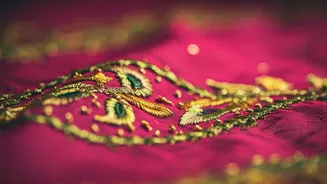
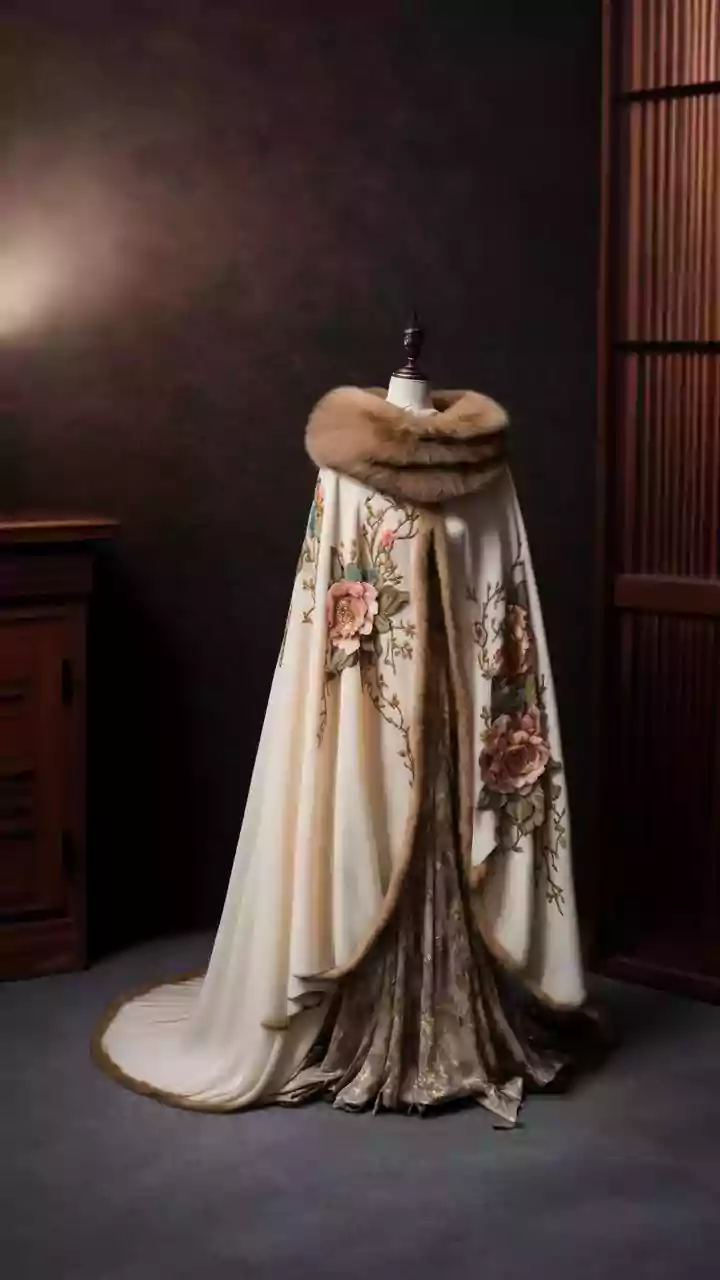
and intricate designs, including silk saris, embroidered garments, and handcrafted jewelry. These traditional elements remain deeply ingrained in the nation's culture, yet fashion designers continue to reimagine them with modern aesthetics. In this context, the blending of the old and the new is a defining characteristic of Indian fashion. Designers are frequently drawing inspiration from the past while integrating modern designs, patterns, and silhouettes. This fusion can be seen everywhere, from the runway to daily wear. It's a way of celebrating heritage while embracing the innovative spirit of the times. The outcome is a dynamic and thriving fashion ecosystem that appeals to both global and local audiences. This balance has allowed the Indian fashion industry to retain its distinctive identity while staying relevant in a globalized world.
Sustainability in Fashion
The fashion industry in India is growing more aware of sustainability. With increasing environmental and social consciousness, many fashion businesses are implementing eco-friendly practices. This includes the use of organic materials, such as cotton and linen, which minimize the environmental impact of textile production. Recycled fabrics and upcycled clothing are also gaining popularity. In addition to material choices, sustainable practices extend to production methods. The emphasis on ethical sourcing and fair labor practices is growing, with designers and brands working to ensure that workers are treated fairly throughout the supply chain. These efforts reflect a broad desire to promote environmental stewardship, reduce waste, and build a more responsible fashion industry. These developments reflect a larger commitment by the Indian fashion industry to adopt practices that reduce its environmental footprint and promote social responsibility. This shift toward sustainable fashion reflects a growing awareness of the need to protect the environment and provide fair working conditions for garment workers. As a result, sustainable practices are becoming more and more widespread, influencing how Indian fashion is made, marketed, and consumed.
Digital Influence on Trends
Social media is greatly influencing fashion trends in India. Platforms like Instagram, Facebook, and TikTok have revolutionized how people discover and engage with fashion. Designers and brands are leveraging these platforms to showcase their collections, connect with consumers, and create virtual communities. Influencers and content creators are playing a key role, shaping consumer preferences through their style choices and recommendations. The growth of digital commerce has also expanded the accessibility of fashion, allowing consumers to easily purchase items online. The ability to discover, purchase, and share styles through social media has created a digital ecosystem that has revolutionized the way Indian fashion is consumed and promoted. The quick dissemination of information means that trends can emerge rapidly. Social media has democratized fashion, giving independent designers and smaller brands a more prominent stage. It has also empowered consumers to be more involved in fashion trends and create a more inclusive culture.
Modern Indian Designers
Contemporary Indian fashion is fueled by a dynamic array of designers. These creatives mix traditional craftsmanship with innovative designs, establishing new aesthetics. Designers like Sabyasachi Mukherjee and Manish Malhotra have achieved global recognition, showcasing the beauty and complexity of Indian textiles on an international scale. They have redefined luxury fashion with their intricate designs. Simultaneously, many up-and-coming designers are experimenting with various forms of expression. They are exploring sustainable practices and pushing boundaries in terms of design and sustainability. They use local materials, creating unique and accessible pieces. This diversity reflects the diverse landscape of Indian fashion, where the past and the future coexist. The work of these designers is a reflection of the nation's cultural heritage. Their creativity contributes to a vibrant and exciting fashion scene, which continues to evolve and capture the imagination of people worldwide.
The Future of Fashion
The future of Indian fashion is poised for significant innovation and growth. Digital technology and sustainability will play key roles in shaping the future. Technology is set to enhance design processes, improve supply chains, and create personalized shopping experiences. At the same time, the commitment to ethical and environmentally friendly practices is expected to intensify, driving the development of eco-friendly materials and circular fashion models. Furthermore, the industry is projected to become more inclusive, with a focus on diversity and representation. There is anticipation of a greater emphasis on local craftsmanship, with a focus on supporting the artisans who are key to preserving India's cultural heritage. This transformation signals a dynamic future for Indian fashion, where creativity, sustainability, and technological advancement will combine to make a vibrant and responsible industry, able to meet the needs and desires of a global audience.