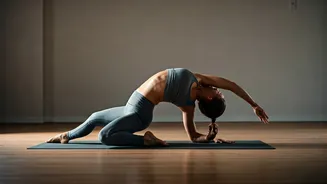







Pose Benefits Unveiled
Shilpa Shetty's exploration of Bala Parsva Bhuja Dandasana, also known as the Baby Grasshopper Pose, reveals a wealth of advantages for both body and mind.
This challenging arm-balance posture is instrumental in fortifying the upper body, specifically targeting the arms, wrists, and shoulders, while simultaneously engaging and strengthening the core muscles. Beyond mere physical exertion, the pose promotes significant improvements in flexibility, extending its benefits to the spine, hips, and the entire leg musculature, including the hamstrings. Internally, it's recognized for its capacity to stimulate the digestive and reproductive systems, contributing to overall wellness. On a mental plane, the consistent practice of this asana is linked to enhanced concentration, sharper focus, and a bolstered sense of willpower, cultivating a resilient and disciplined mindset.
Mastering Baby Grasshopper
To safely embark on the journey of mastering the Baby Grasshopper Pose, a progressive approach is key. Begin by cultivating hip mobility through Malasana, the yogic squat, and incorporate gentle spinal twists to enhance vertebral flexibility. Building foundational strength in basic arm balances, such as Bakasana or Crow Pose, is crucial for preparing the arms and core. The initial stage involves transitioning from a squat, twisting the torso, and placing the opposite elbow outside the knee. With palms planted firmly, gradually shift your weight forward, focusing on lifting one foot at a time while maintaining the established twist. Emphasis should be placed on core engagement for stability rather than achieving full leg extension. As you advance, from the twisted squat, plant both hands, shift weight forward, and lift both feet. The subsequent step involves extending the legs to one side while balancing on the arms, ensuring the spine remains active, the gaze is fixed forward, and the breath remains steady.
Safety First, Always
Practicing advanced yoga poses like Bala Parsva Bhuja Dandasana requires careful adherence to safety guidelines to prevent injuries. It is strongly advised to avoid this posture if you have pre-existing conditions affecting your wrists, shoulders, elbows, or lower back. A comprehensive warm-up is indispensable; ensure thorough preparation of the wrists, shoulders, hips, and spine before attempting any part of the pose. Jumping directly into the posture is highly discouraged, as it demands a gradual and controlled progression. Engaging the core is paramount for protecting your joints and preventing undue stress on the shoulders. For beginners, practicing under the supervision of a qualified instructor is highly recommended to ensure correct alignment and technique. Additionally, individuals who are pregnant or managing high blood pressure should refrain from deep twisting poses.