





Introduction: Petite Living
The concept of 'small living' has gained traction as a lifestyle choice, but some homes take this idea to extremes. This article showcases ten of the most
diminutive houses across the globe, where residents have mastered the art of maximizing space. These dwellings prove that with creativity and smart design, one can live comfortably in surprisingly small areas. They often reflect unique architectural styles and embrace sustainable living practices, demonstrating that a smaller footprint can lead to a richer life experience. Whether born out of necessity or a deliberate choice, these homes offer an inspiring look at how people adapt and thrive in compact environments.
Tiny House 1: The Basics
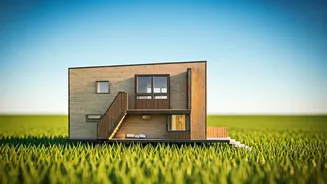
The first example often features innovative space-saving designs to maximize the available area. Smart furniture, such as beds that fold into walls or tables that convert into storage, are typical. Efficient kitchens and bathrooms are usually incorporated, often with multi-functional appliances to conserve space. The architecture frequently utilizes natural light and vertical space to give a sense of openness. Some of these tiny homes are built on trailers, offering the advantage of mobility. This lets owners travel easily and live in diverse locations. The design prioritizes minimal consumption and a lifestyle centered on experiences instead of possessions. These dwellings also emphasize a connection with the outdoors, making the living space feel larger.
Tiny House 2: History
The second house might showcase a historical context, highlighting the evolution of small living over time. It might be located in an older city, showcasing building techniques that were common in a different era. Such houses provide a glimpse into the past, offering insights into earlier ways of life and the design solutions that were needed. Construction materials, such as stone or brick, often demonstrate the craftsmanship of past generations. They often reflect the local culture and building traditions, emphasizing the architectural heritage of a specific area. Some of these homes have been preserved as historical landmarks, allowing visitors to experience the atmosphere of times gone by. The history can demonstrate that small houses were once a necessity, and they were often a reflection of poverty.
Tiny House 3: Modern Marvels
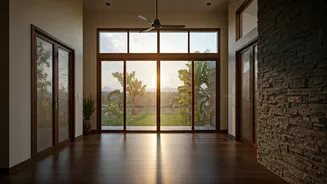
This example highlights modern innovations in tiny house design. Smart home technology integration is common, including features like automated lighting, climate control, and security systems. Energy-efficient materials and sustainable building practices are often employed, such as solar panels and rainwater harvesting. The design emphasizes minimalism and streamlined aesthetics, creating a sense of spaciousness within a limited area. Large windows and open floor plans are used to maximize natural light and create a visual flow. The third house usually demonstrates a focus on comfort and convenience, with amenities that allow residents to live in style. These homes demonstrate how technology and modern design merge to improve small-space living.
Tiny House 4: Off-Grid Living
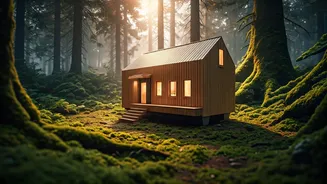
The fourth house could exemplify off-grid living, indicating a self-sufficient lifestyle with minimal reliance on external utilities. Solar panels, wind turbines, and other renewable energy sources may be incorporated. Rainwater harvesting systems and composting toilets are examples of water conservation. These homes embrace environmental responsibility, demonstrating a commitment to sustainability and reduced impact. The location is often remote, giving residents a close connection with nature and a tranquil lifestyle. Such dwellings offer an alternative to conventional living, fostering independence and self-reliance. They often require the owners to develop skills, such as gardening, which also improve the quality of their lives. Overall, this home focuses on sustainability.
Tiny House 5: Creativity
The fifth house usually showcases artistic design and creativity. Unusual shapes, vibrant colors, and unique materials might be incorporated. The interior design reflects the owner's personal style and artistic sensibilities. These homes are designed as a personal statement and a reflection of the inhabitants' personalities. The small space may function as a gallery or studio. Customized furniture and handcrafted details contribute to the home's distinctive charm. The creative use of space also serves as an inspiration to others. They are a testament to the idea that design and living in tiny spaces can produce extraordinary results. The artistic elements highlight the significance of expressing oneself in one's home.
Tiny House 6: Architectural Styles
This house might represent a specific architectural style. The construction may reflect regional influences or cultural traditions. The exterior design incorporates traditional elements, such as steeply pitched roofs or ornate facades. The interior layout often follows a tried-and-true style. They can incorporate classic design principles and construction techniques. They also show how architecture adapts to different places and periods. These homes are a celebration of cultural diversity and historical preservation. They can be found in various environments, each telling a distinct architectural story.
Tiny House 7: International Flair
The seventh house could be located in a different country, highlighting the variations in tiny house design across the globe. Each home's design reflects the specific needs and values of the location. These dwellings often showcase the innovative use of materials available in the area. They provide insights into the cultural diversity of small-space living. They also represent regional architectural features and aesthetics. In each example, the design can be unique, but it focuses on providing a comfortable space.
Tiny House 8: Budget Living
This home might emphasize affordability and cost-effectiveness. The materials often include recycled and repurposed items to reduce costs. The design emphasizes DIY construction or simple building techniques. This home demonstrates that living in a small space can be a financially sustainable choice. They can be built on limited budgets, providing the option of homeownership. They can also represent a commitment to frugal and sustainable living. The house can provide affordable housing options, and demonstrate creativity. They help people reduce costs while creating a good life.
Tiny House 9: Community
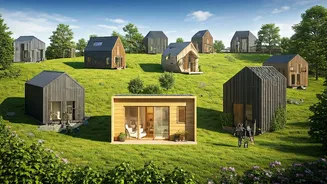
This section can focus on the potential for building community. Tiny homes are frequently assembled in groups, fostering a sense of community. The close proximity of these houses helps create social bonds and mutual support among residents. Residents often share resources and participate in joint activities. They create a supportive social network, fostering a sense of belonging. The community offers residents the benefits of shared amenities, such as gardens or communal spaces. The design of these communities prioritizes social interaction and sustainable living. Overall, these communities emphasize how community can improve lives.
Tiny House 10: Conclusion
The final house wraps up the tour of the smallest houses, reminding us that a minimalist lifestyle can produce comfort. These homes provide inspiration for those looking to live a simpler life. They have demonstrated that ingenuity can overcome limitations and create satisfying living environments. They are a reminder that a smaller footprint can lead to a richer experience. They can inspire one to assess their needs and desires. The ultimate message is that happiness does not always depend on the size of one's home. These homes prove that embracing change can result in greater contentment. They demonstrate the power of creativity, innovation, and community in the pursuit of a fulfilling life.