
Global Style Influences
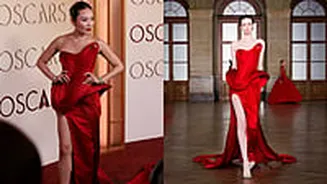
The Indian fashion landscape is increasingly mirroring global trends, absorbing influences from international runways and digital platforms. This means
that styles popularized in Paris, Milan, New York, and London are finding their way into Indian wardrobes, albeit often with a local twist. Think of the resurgence of minimalist aesthetics, the embrace of sustainable fashion principles, and the adoption of versatile, multi-functional garments. Social media plays a crucial role in this cross-pollination, with influencers and celebrities showcasing the latest international looks. Consequently, Indian consumers are more aware of and eager to experiment with diverse aesthetics, moving beyond traditional attire to incorporate contemporary silhouettes and designs into their daily wear and special occasions. This global integration doesn't negate local heritage but rather creates a dynamic fusion, where international designs are adapted to suit Indian climates, cultural nuances, and personal preferences, leading to a richer and more varied fashion ecosystem.
Rise of Athleisure
Athleisure has firmly established its dominance in the Indian fashion scene, transcending its athletic origins to become a staple for everyday comfort and style. This trend sees individuals embracing activewear-inspired pieces like leggings, track pants, hoodies, and stylish sneakers for a variety of settings, from casual outings to even more relaxed work environments. The appeal lies in its inherent comfort, practicality, and the effortless cool factor it projects. Brands are responding by offering more sophisticated and fashion-forward athleisure collections that are both functional and aesthetically pleasing. The fusion of comfort with a chic sensibility has made it a go-to choice for many, reflecting a lifestyle that values both well-being and contemporary fashion. This shift signifies a broader acceptance of casualization in dressing, where comfort doesn't mean compromising on looking good, making athleisure a pervasive and enduring trend.
Sustainable Fashion Focus
A growing consciousness towards environmental impact has propelled sustainable fashion to the forefront of the Indian sartorial conversation. Consumers are increasingly seeking out brands and products that prioritize eco-friendly materials, ethical production processes, and durability. This includes a preference for organic cotton, recycled fabrics, and naturally dyed textiles, along with a reduction in the consumption of fast fashion. The movement encourages mindful purchasing, investing in pieces that are made to last and have a lower ecological footprint. Many designers and artisans are rediscovering traditional techniques that are inherently sustainable, such as handloom weaving and natural dyeing, breathing new life into age-old practices. This shift is not just a trend but a fundamental change in consumer behavior, driven by a desire to contribute positively to the planet while still expressing personal style through thoughtfully chosen garments.
Embracing Indian Textiles
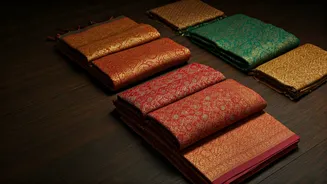
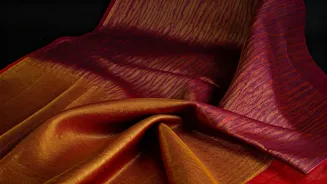
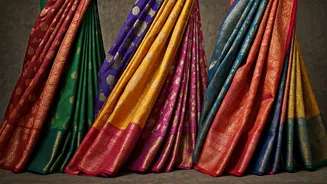
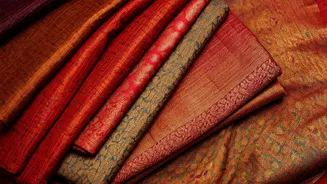
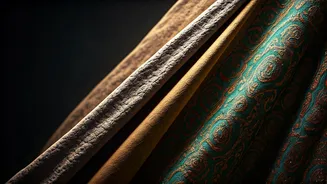
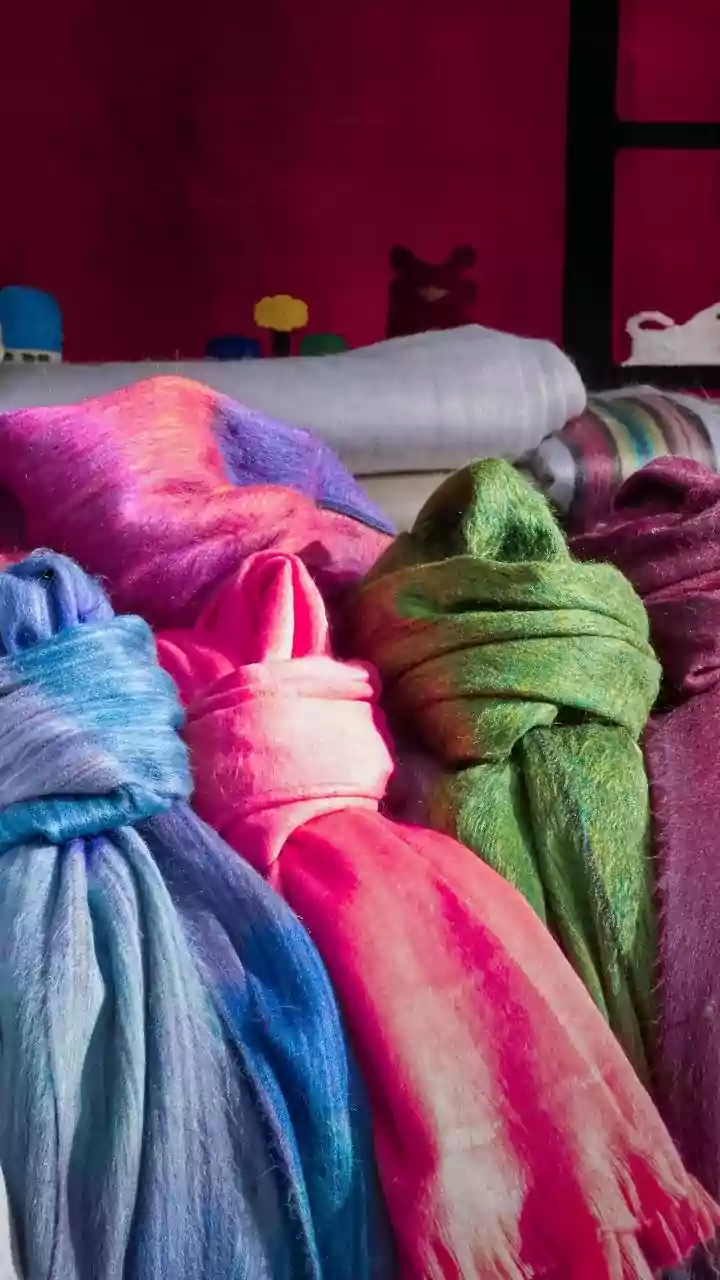
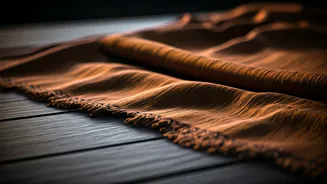
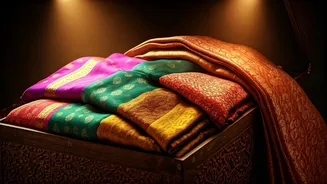
There's a resurgent appreciation for India's rich heritage of textiles and craftsmanship, with designers and consumers alike championing indigenous fabrics and weaving techniques. From the intricate weaves of Banarasi silk and the vibrant patterns of Bandhani to the delicate embroidery of Chikankari and the rich textures of Khadi, these traditional materials are being reinterpreted for modern wardrobes. This trend celebrates the artisanal skills passed down through generations and promotes the economic sustainability of local craft communities. Contemporary designers are experimenting with these age-old textiles, incorporating them into modern silhouettes and styles, making them accessible and appealing to a younger generation. This movement fosters a sense of national pride and identity, encouraging a deeper connection to India's cultural legacy through fashion and ensuring these crafts continue to thrive in the contemporary world.
Bold Color Palettes
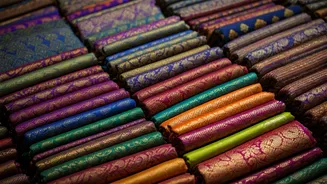
Departing from subtle hues, Indian fashion is currently embracing a vibrant and audacious spectrum of colors. Bold yellows, electric blues, fiery reds, and lush greens are making a strong statement, reflecting a mood of optimism and celebration. These striking colors are being incorporated into everything from traditional ensembles like sarees and lehengas to contemporary western wear, injecting energy and personality into outfits. Jewel tones and neon accents are also making appearances, adding a modern, edgy feel. This trend encourages experimentation and self-expression, inviting individuals to step out of their comfort zones and play with color to create impactful fashion statements. It's a reflection of a society that is increasingly confident and expressive, choosing to wear its joy and vibrancy for all to see.
Minimalist Aesthetics
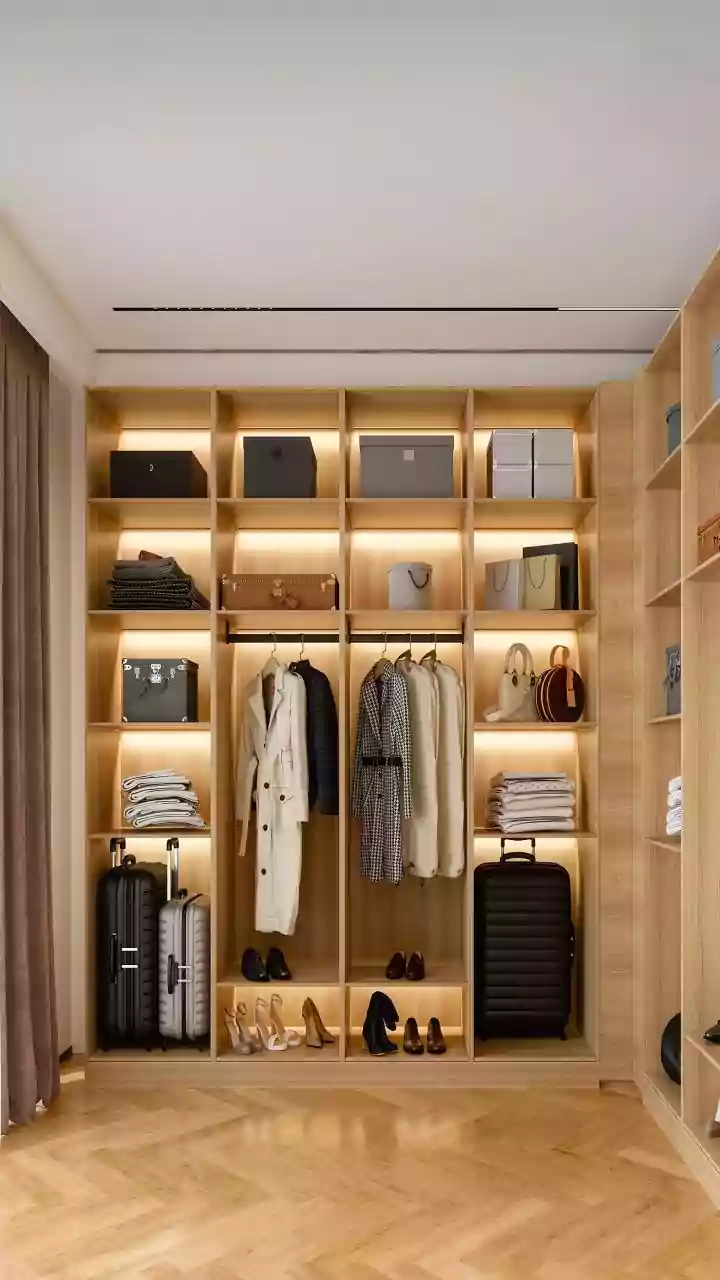
Alongside the trend for bold colors, a counter-movement towards minimalist aesthetics is also gaining significant traction in India. This approach prioritizes clean lines, subtle detailing, and a refined, understated elegance. Think of neutral color palettes, simple silhouettes, and high-quality fabrics that speak for themselves. The focus is on creating a sophisticated and timeless look that emphasizes quality over quantity and timeless appeal over fleeting trends. Minimalist fashion is about building a curated wardrobe of versatile pieces that can be mixed and matched effortlessly, promoting a less-is-more philosophy. This trend appeals to those who appreciate a polished and serene style, finding beauty in simplicity and an enduring sense of chic that transcends seasonal fads and speaks to a mature understanding of personal style.
Accessorizing Power
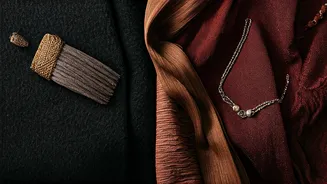
Accessories are playing an increasingly pivotal role in defining and elevating Indian fashion. Statement jewelry, from chunky necklaces and oversized earrings to intricately designed bracelets, is being used to add a focal point to outfits. Handbags are also becoming more than just functional items; they are fashion pieces in themselves, with unique textures, bold designs, and luxurious materials taking center stage. Footwear trends are diverse, ranging from embellished ethnic sandals to sleek, modern heels and sneakers, all chosen to complement the overall look. Scarves, belts, and headwear are also being utilized creatively to add personality and polish. This heightened focus on accessories signifies a desire for personalized style and a sophisticated approach to completing any ensemble, turning everyday looks into curated fashion statements.
Modesty in Fashion
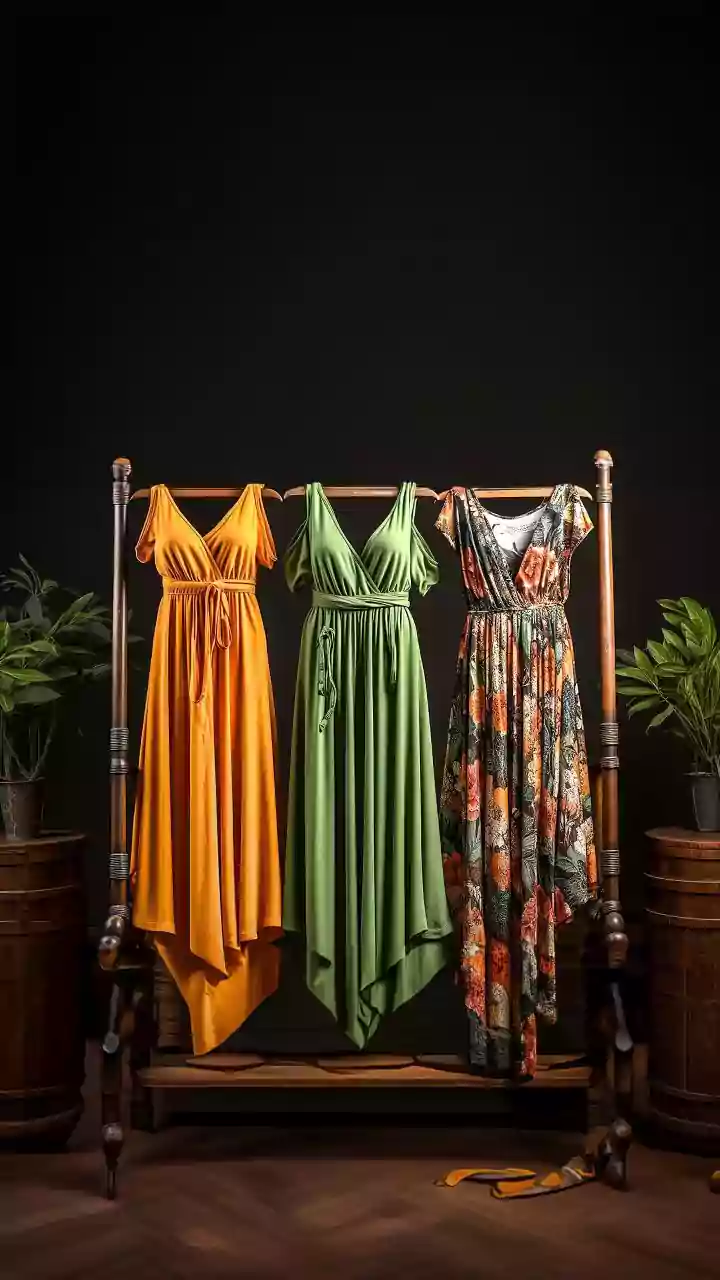
A significant and evolving trend in Indian fashion is the rise of modest wear, catering to a growing segment of consumers who prefer clothing that covers more skin while remaining stylish and contemporary. This encompasses a range of garments, including flowy maxi dresses, long tunics, high-neck tops, and wide-legged trousers, often paired with elegant layering pieces like kimonos or structured jackets. Designers are skillfully balancing cultural sensitivities with modern fashion sensibilities, offering chic and fashionable options that adhere to modest dressing principles. This trend celebrates inclusivity and provides stylish alternatives for those seeking elegant coverage without compromising on fashion-forward aesthetics, demonstrating that modesty can be both culturally relevant and trendsetting in its own right.
Digital Fashion Influence
The digital realm profoundly influences Indian fashion choices, with social media platforms acting as powerful trendsetters and style inspiration hubs. Online shopping has become a dominant force, offering unparalleled convenience and access to a vast array of brands and styles. Fashion bloggers, YouTubers, and Instagram influencers wield considerable sway, showcasing new looks, styling tips, and product reviews that guide consumer decisions. Virtual fashion shows, augmented reality try-on features, and the increasing presence of brands in the metaverse are also emerging facets of this digital transformation. This pervasive online presence means that trends can emerge and spread with unprecedented speed, shaping consumer desires and purchasing habits in real-time, making the digital space an indispensable part of the modern fashion ecosystem.
Vintage Revival
Nostalgia is making a significant comeback in Indian fashion, with a noticeable revival of vintage styles and silhouettes. This trend draws inspiration from past eras, reinterpreting classic designs for a contemporary audience. Think of the resurgence of bell-bottoms, retro prints, and silhouettes reminiscent of the 70s, 80s, and 90s. This vintage influence is evident in both clothing and accessories, with shoppers actively seeking out unique, retro-inspired pieces to add character to their wardrobes. The appeal lies in the timeless quality of these designs and the opportunity to express individuality through eclectic styling. This movement celebrates the enduring charm of past fashion eras, proving that classic styles can be beautifully integrated into modern fashion narratives.
Gender-Fluid Styles
The boundaries of traditional gender norms in fashion are becoming increasingly blurred in India, with a growing acceptance and exploration of gender-fluid styles. This trend champions clothing that is not confined by traditional masculine or feminine definitions, allowing individuals to express themselves freely. It includes elements like oversized silhouettes, androgynous cuts, skirts for men, and the incorporation of traditionally gendered colors and patterns into a wider range of garments. Designers are creating collections that appeal to a broader audience, emphasizing personal expression and comfort over societal expectations. This shift reflects a more inclusive and progressive mindset within society, encouraging individuals to embrace their authentic selves through their fashion choices, making style a personal statement rather than a gendered declaration.