



A Cultural Tapestry
India's fashion narrative is deeply intertwined with its rich cultural heritage. Traditional attire, such as sarees, kurtas, and dhotis, are not merely
garments; they are emblems of regional identity, religious practice, and social status. The materials and designs frequently mirror India's varied climates, accessible resources, and artistic traditions. For instance, the silk sarees of Kanchipuram celebrate intricate weaving techniques passed down through generations. These garments feature complex patterns and designs, reflecting the cultural significance attached to them. Similarly, the vibrant colours and embroidery of Rajasthani outfits reflect the state's lively spirit and artistic inclinations. These traditional clothes continue to be crucial parts of important occasions, signifying the endurance of cultural traditions. The evolution of Indian fashion mirrors the nation's own journey of self-discovery and transformation.
Modernizing Influences
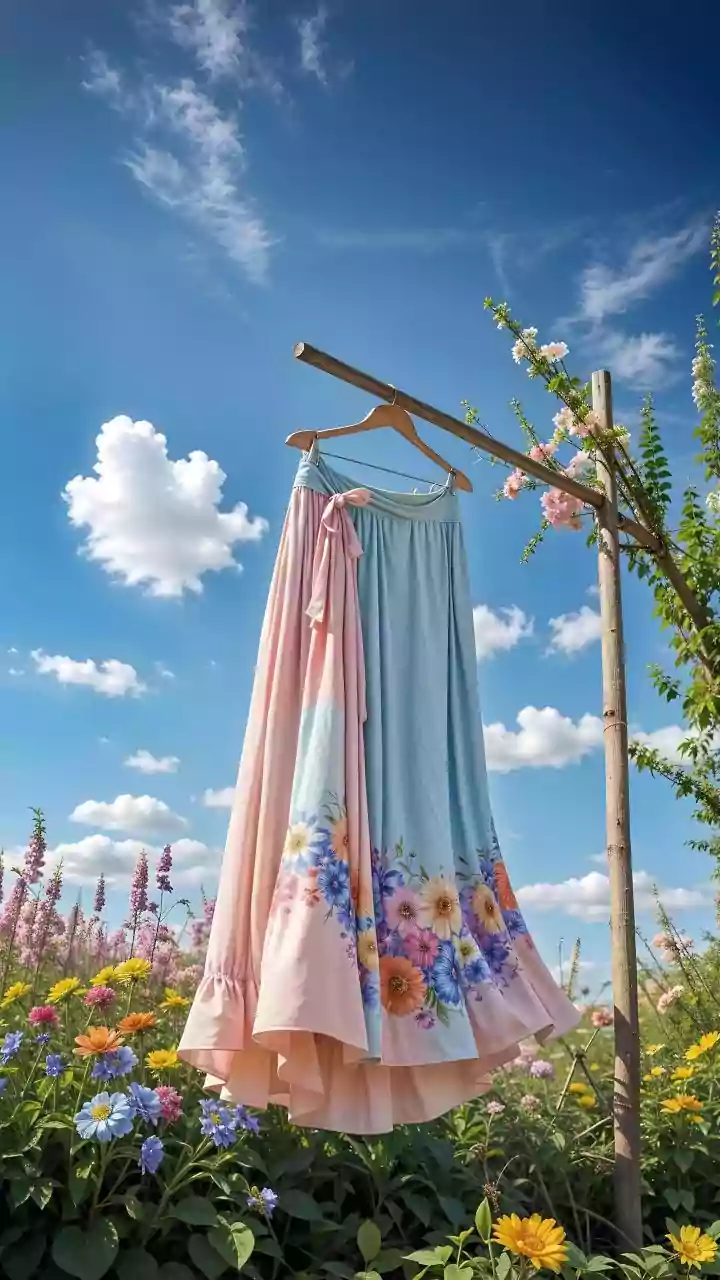
The introduction of globalization and western influences in the late 20th century substantially altered the Indian fashion scene. The rise of ready-to-wear clothing, international brands, and exposure through media and travel opened up new avenues for fashion expression. Simultaneously, designers began to merge Indian aesthetics with contemporary trends. This resulted in fusion wear that combined traditional motifs with modern silhouettes, which caught the attention of both domestic and international audiences. Bollywood movies and celebrity culture play an enormous role. Celebrities have become style icons. This trend has not only influenced consumer choices but has also boosted the growth of the fashion industry by introducing new designs and styles. This fusion of tradition and modernity, combined with increased awareness and accessibility, has contributed to an exciting period of growth and innovation in Indian fashion.
Key Trends Emerge
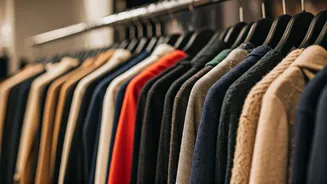
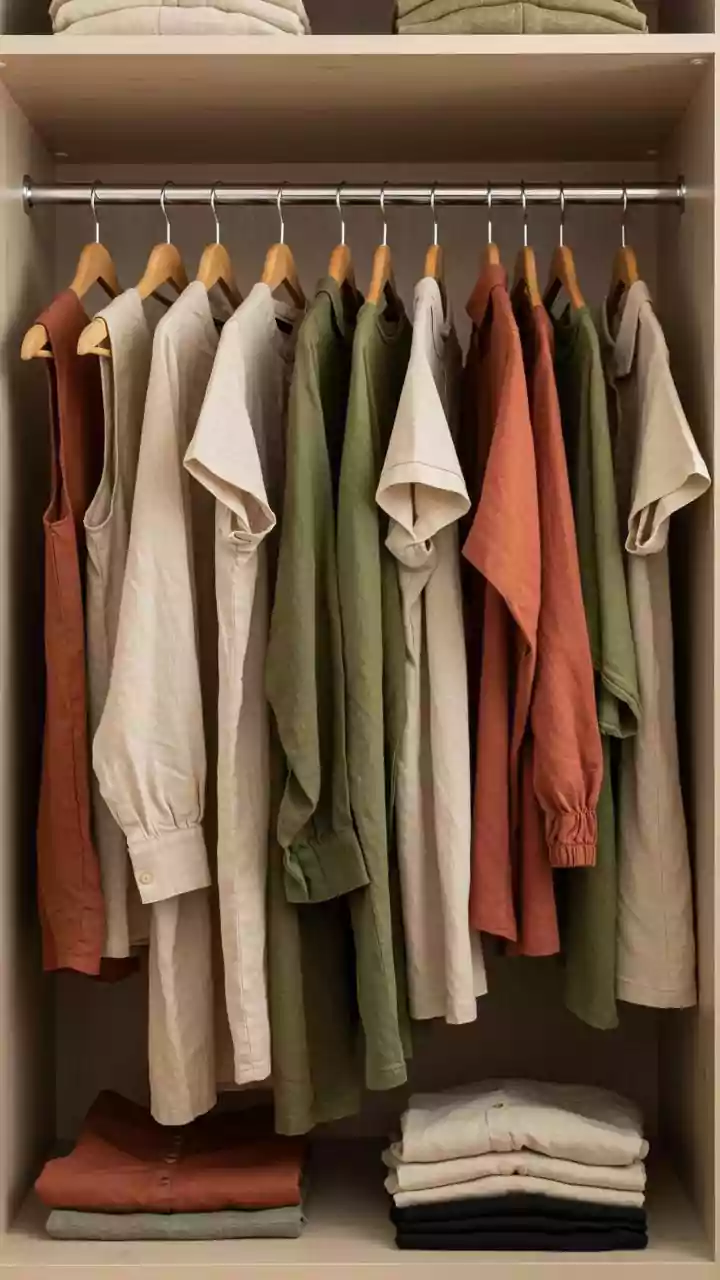
Present-day Indian fashion is defined by a dynamic array of trends that reflect the evolving tastes of consumers. Sustainable fashion, which places emphasis on environmentally friendly practices and ethical production, is gaining momentum. Consumers are becoming more mindful of the environmental and social impacts of their choices, which is driving demand for eco-friendly fabrics, and brands committed to fair labour practices. Minimalism and comfort also play a significant role. Consumers are choosing designs that are straightforward, versatile, and suitable for different environments. Streetwear and athleisure styles have also found popularity, reflecting a lifestyle that focuses on both physical fitness and casual fashion. These trends demonstrate the fashion industry's commitment to adapting to changing consumer priorities and preferences. These factors include a desire for sustainable practices and a focus on individuality, practicality, and personal expression.
The Business Side
The Indian fashion industry is a booming market, fueled by rising disposable incomes, urbanization, and a growing middle class. The industry comprises various sectors, including apparel, textiles, and accessories, offering a wide range of career opportunities. E-commerce platforms have broadened the reach of fashion brands, offering consumers greater choice and convenience. Digital marketing and social media have revolutionized how brands engage with their audiences, promote their products, and build brand awareness. The industry's growth is supported by government policies and initiatives aimed at fostering the textile and apparel sectors. There are increasing investments in infrastructure and technology. These elements have boosted both domestic and international businesses. This has also supported the industry's economic growth and competitiveness. This evolving environment has created a vibrant and competitive marketplace.
The Road Ahead
Indian fashion is poised for continued growth and innovation, driven by shifting consumer preferences and technological advances. The rise of personalization and customization is changing how consumers interact with fashion brands. Businesses are using technologies, such as artificial intelligence and data analytics, to understand consumer behaviour, customize products, and improve supply chain efficiency. There is a continuous emphasis on sustainability and ethical practices. These practices are expected to become more widespread. This will lead to a more responsible and environment-friendly fashion industry. Furthermore, the convergence of fashion with other forms of art, technology, and culture promises to produce novel, creative ways to experience and express fashion. The fashion sector in India is getting ready for a future that is dynamic, creative, and customer-centric.