




The 'Glass Skin' Illusion
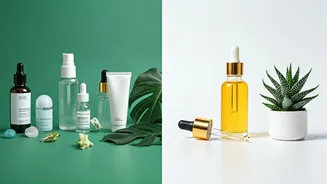
The coveted 'glass skin' aesthetic, characterized by a luminous, poreless complexion, has taken the beauty world by storm. Originating from Korean skincare
practices, it typically involves a multi-step layering of hydrating products to achieve an ultra-dewy finish. However, this trend often proves detrimental for Indian skin. The prevalent heat and humidity in India tend to exacerbate oil production, creating a fertile ground for acne breakouts and clogged pores. Applying numerous hydrating products, as suggested by the 'glass skin' trend, can overload the skin, disrupting its natural barrier and leading to adverse reactions. What appears flawless on social media doesn't always translate effectively to the realities of Indian environmental conditions and skin physiology.
Influencer-Driven 'Instant Glow' Scams
Many beauty influencers promote an 'instant glow' achievable through aggressive daily routines involving frequent exfoliation, acid layering, and harsh scrubbing. These practices, while presented as quick fixes, are detrimental to the skin's health. Such intensive treatments compromise the skin's protective barrier, leading to increased redness, pigmentation issues, and heightened sensitivity. In India, where sun exposure is a significant factor, this weakened skin becomes more vulnerable to sun damage, a concern dermatologists consistently warn against. A more sensible approach involves exfoliating only twice a week, coupled with diligent sunscreen application, to maintain skin health without causing damage.
Blindly Following Viral Products
The pressure to purchase skincare based on influencer endorsements or viral trends is a common pitfall. These products are often promoted through sponsored content and lack any understanding of an individual's specific lifestyle, skin type, or concerns. The trial-and-error method often associated with following viral trends can result in severe skin damage. Furthermore, the allure of 'overnight results' or 'disappearing blemishes' products is largely a myth. Experts emphasize that genuine skin improvements, regardless of the product, require a minimum of 21 days of consistent application to become noticeable. Therefore, patience and a commitment to a consistent routine are paramount, with recommendations from a dermatologist being far more reliable than those from social media personalities.
Overcomplicated Layering Routines
The trend of layering multiple products like toners, serums, essences, ampoules, and oils daily is often promoted on social media. However, these elaborate routines are frequently ill-suited for the Indian climate and fail to address common Indian skin concerns. Such excessive product application can paradoxically lead to breakouts and is also financially unsustainable. A growing consensus among skincare experts advocates for a shift towards simpler, science-backed routines rather than complex, multi-step processes. This streamlined approach is more effective and less likely to overwhelm the skin, especially in challenging environmental conditions.
Risky DIY Kitchen Remedies
Instagram and other platforms are rife with DIY skincare hacks utilizing common kitchen ingredients like toothpaste for pimples, baking soda for scrubs, and lemon for tan removal. While seemingly accessible, these remedies can be highly problematic. They significantly disrupt the skin's natural pH balance, potentially causing burns, irritation, and heightened pigmentation. For Indian skin, which typically has a higher melanin content, these risks are amplified, making such DIY concoctions particularly dangerous. Safer and more effective alternatives involve using dermatologist-tested products and formulations specifically designed to be gentle yet effective.