






Steam Power Unveiled
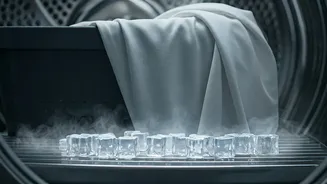
The magic behind the ice cube dryer trick lies in a simple scientific principle: heat and moisture. When ice cubes are introduced into a running dryer,
the heat immediately begins to melt them, transforming them into steam. This generated steam then permeates the fabric fibers of your clothes. As the steam penetrates, it gently loosens the tension within the fibers that causes them to bunch up and form wrinkles. This process effectively relaxes the material, allowing it to revert to a smoother state without the need for direct, intense heat that can sometimes damage delicate fabrics or cause shiny patches. The humidity released from the melting ice is crucial for this fiber relaxation, making it a low-impact yet effective way to tackle minor creases.
Ice vs. Iron Comparison
When comparing the ice cube dryer method to traditional ironing, the differences are quite pronounced. Ironing typically relies on direct heat and physical pressure to flatten wrinkles. While effective, this can be time-consuming and carries a risk of scorching or leaving undesirable shine marks, especially on synthetic materials. The ice cube method, in contrast, uses steam to achieve a similar, albeit gentler, smoothing effect. It's particularly well-suited for synthetic fabrics and light blends, which respond favorably to the moisture and heat. However, for heavier materials like cotton or denim, or for garments with deep-set creases, the steam alone may not be sufficient. Studies suggest that while steam can relax fibers, it lacks the mechanical smoothing action of an iron, meaning that for significant wrinkles, the pressure from a traditional iron remains superior.
Optimal Wrinkle Erasure
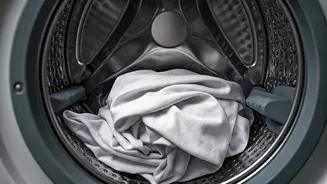
To get the most out of the ice cube wrinkle removal technique, a few key practices are recommended. Firstly, avoid overloading your dryer. A crowded drum restricts the movement of clothes and hinders the circulation of steam, diminishing its effectiveness. Aim for a load size that allows items to tumble freely. The ideal number of ice cubes to use is typically two to three, and it's best to run the dryer on a medium heat setting. This balance of heat and steam concentration is optimal for relaxing most common wrinkles. The type of fabric also plays a role; lighter materials like synthetics and knits tend to respond very well to their flexible fibers. For thicker fabrics or stubborn creases, you might need to experiment with slightly more steam or consider a brief touch-up with an iron, or even utilizing steam from a hot shower for added moisture.
Timing and Safety
The timing of introducing the ice cubes into the dryer cycle is critical for maximizing their impact. It is most effective to place the ice cubes into the drum at the beginning of the drying process, or when the clothes are still slightly damp. This ensures that the fabrics are receptive to absorbing the steam generated. As the cycle concludes, you may notice some excess water in the drum from the melted ice, which can be easily emptied. In terms of safety, the ice cube method is generally considered low-risk. It consumes less energy compared to ironing and significantly reduces the chances of accidental burns or damaging your clothes with excessive heat. The primary safety considerations are to avoid overloading the dryer and to prevent overheating, ensuring a gentle and effective wrinkle-releasing experience.