


Know Your Tomato Types
Before digging into spacing, understanding the growth habit of your tomato varieties is paramount. Tomatoes are broadly categorized into two types: determinate
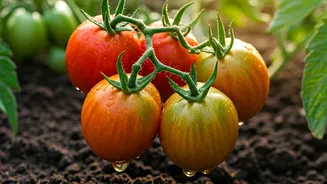
and indeterminate. Determinate varieties are bush-like and reach a fixed height, concentrating their energy on producing fruit over a shorter period. Examples include many paste tomatoes and some slicers. Indeterminate varieties, on the other hand, are vining plants that grow and produce fruit continuously until frost. This group encompasses most heirlooms, cherry, and grape tomatoes. Recognizing which type you are planting is the foundational step in determining the appropriate space each plant will require to flourish, preventing competition and promoting optimal development.
Optimal Spacing Guidelines
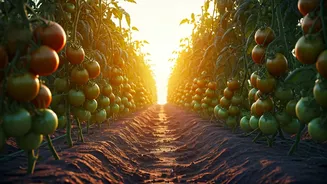
When planting, giving your tomato seedlings room to grow is more critical than it might seem. For determinate tomato varieties, aim for a spacing of 2 to 2.5 feet between each plant. While a small seedling might look lost in such a wide gap, resist the urge to crowd them. This distance ensures each plant can access sufficient nutrients, water, and sunlight without competing with its neighbors. For indeterminate varieties, spacing needs adjust based on your support strategy. If you plan to use stakes or cages, allocate 2.5 to 3 feet between plants. If you prefer a more traditional, sprawling ground-cover approach, provide a generous 4 feet of space per plant, which will be invaluable as they expand throughout the summer. Don't forget row spacing; most varieties require 4 feet between rows, and unsupported indeterminate plants may need up to 6 feet to allow for easy access and airflow.
Spacing for Disease Prevention
Planting tomatoes too closely is not just detrimental to yield; it's a direct invitation for disease. Research highlights that cultural practices like proper row spacing and plant arrangement significantly impact disease management. Fungal diseases such as early blight and Septoria leaf spot thrive in environments with high humidity and poor air circulation – precisely the conditions created by overcrowded gardens. When plants are densely packed, airflow is restricted, humidity levels rise, and foliage takes longer to dry, providing a perfect breeding ground for pathogens to take hold and spread. Adequate spacing ensures better air movement, reduces lingering moisture on leaves, and thus lowers the risk and severity of these common tomato ailments.
Maximizing Fruit Yield
Beyond disease mitigation, strategic spacing is directly correlated with the quantity and quality of your tomato harvest. Studies indicate that closer planting distances lead to heightened competition for essential resources like light, water, and nutrients. This competition can manifest in several ways, including smaller fruit size, an increase in fruit cracking, and heightened susceptibility to both insect pests and diseases. While the inclination to plant more plants might seem intuitive for a larger yield, prioritizing intelligent spacing over sheer quantity is almost always the more effective strategy for maximizing your actual fruit production and ensuring healthier, more robust plants that can reach their full fruiting potential.
Smart Gardening Practices
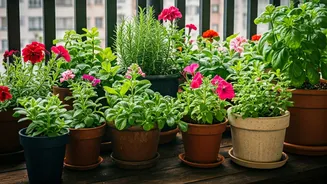
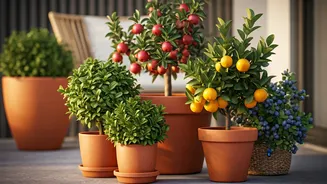
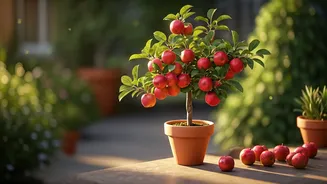
To consistently achieve great tomato yields, a few practical tips can make a significant difference. Employing a measuring tape for planting ensures you adhere to the recommended distances, preventing the common error of eyeballing and underestimating the required space. Investing a couple of extra minutes in precise measurement can save an entire season of frustration. For indeterminate varieties, installing stakes or cages from the outset, rather than waiting for the plant to sprawl, provides essential support early on. Regularly pruning the 'suckers' – the small shoots emerging between the main stem and branches – redirects the plant's energy towards fruit production rather than excessive leafy growth, which can contribute to crowding. For those with limited space, such as container gardens or small patios, opt for compact varieties like 'Tiny Tim' or 'Tumbler,' which are specifically bred to stay within about 2 feet and still yield reliably.