




A Heritage Reimagined
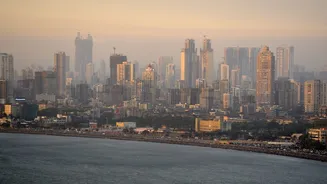
Nestled within a tranquil Worli lane, the Kathiwada City House, a four-story Art Deco bungalow, has transformed from a private sanctuary into a vibrant
public cultural hub. Originally named West More and built in the 1940s by the renowned art collector Jehangir Nicholson, this heritage structure, with its characteristic curved balconies and pastel facade, has witnessed generations of artistic and intellectual convergence. Under the current ownership of Digvijay Singh Kathiwada, the house is embarking on a new journey, inviting the public to engage with art and culture through meticulously curated exhibitions and an intimate dining experience. This initiative aims to foster a direct connection between patrons and the arts, offering a unique environment where creativity and gastronomy intertwine, extending the legacy of art accessibility that Nicholson himself championed.
Nicholson's Artistic Vision
The very foundation of Kathiwada City House is deeply rooted in art, thanks to its original visionary, Jehangir Nicholson. Celebrated as one of Bombay's most significant private art collectors, Nicholson’s profound belief in making art accessible led him to bequeath his extensive collection of over 800 artworks, which now forms the Jehangir Nicholson Art Foundation. While his personal collection was generously shared, his own residence was a more private affair, designed during a period when Mumbai saw a flourishing of elegant Art Deco homes for the city's affluent patrons. The bungalow embodies the style's hallmarks: sweeping rounded balconies, intricate geometric railings, and clean horizontal lines, all contributing to the architectural dialogue shaping Mumbai's coastline in the mid-20th century. Nicholson, affectionately known as 'Jangu' by friends, resided here in his later years, a testament to his deep affection for the property and his reluctance to part with anything he cherished.
A Cultural Transition
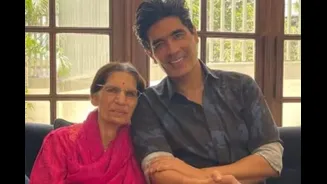
The narrative of Kathiwada City House took a pivotal turn through the connection between Jehangir Nicholson and Digvijay Singh Kathiwada’s mother, Sangita Devi Kathiwada. Their acquaintance, fostered through the Willingdon Club, revealed Sangita Devi's passion for the arts. Recognizing this, Nicholson proposed a unique arrangement: allowing her to utilize a portion of the bungalow for cultural programming while he continued to reside on the upper floors. This proposition was met with considerable enthusiasm, especially given the property's prime Worli location and Nicholson’s artistic legacy. The agreement was formalized, with Digvijay, then 18, present at the signing—a day that also marked his birthday. Tragically, this was his last meeting with Nicholson, who passed away shortly after. True to their word, Nicholson's estate executors facilitated the sale of the ground floor to Sangita Devi, and by 2002, the opportunity arose for her to acquire the entire property, marking a significant transition.
Preserving Art Deco Elegance
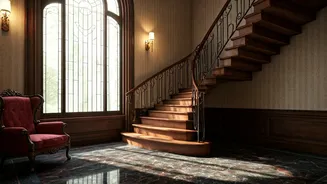
Under Sangita Devi Kathiwada's guidance, the bungalow underwent a thoughtful restoration, aiming to seamlessly integrate modern living with its rich heritage. The family's commitment to preserving the original Art Deco architecture was paramount. Key elements, including the external facade, original doors and windows, and the iconic Art Deco staircase, were meticulously retained, honoring Nicholson’s original design. While the house became widely recognized as Kathiwada City House, the original name, West More, endures on a plaque, a subtle nod to its past. Today, the upper floors serve as the family residence, while the ground floor has been dedicated to fostering art, culture, and culinary exploration, evolving into a dynamic meeting point for artists, writers, architects, and photographers connected through the family’s cultural network, affectionately termed 'the culturally curious.'
From Residence to Salon
Around 2020, Kathiwada City House began its evolution into a more formal public space, hosting talks, exhibitions, and collaborative creative projects. Digvijay Singh Kathiwada further developed this concept by establishing Circle 1434, a private members’ community. The bungalow effectively became a multifaceted venue, functioning simultaneously as a gallery, a salon, and a social club, all while maintaining its intimate, private residence ambiance within Worli’s residential fabric. A significant addition to this transformation was Bistro Circle 69, a dining establishment developed in partnership with Aditi Dugar, renowned for creating exceptional culinary experiences in Mumbai. Digvijay envisioned extending the bookstore-cafe model, where food complements cultural spaces, to art galleries, thereby enhancing the visitor experience through a harmonious blend of art and gastronomy.
Public Doors Open
The latest chapter for Kathiwada City House involves its broader opening to the public. Digvijay Singh Kathiwada articulates that this expansion is not a deviation but a reinforcement of the house’s core principles, believing that culture, whether expressed through food, art, or design, thrives on natural evolution. Future plans include the development of new areas such as a sculpture court, a contemporary art room, and a sports memorabilia room. The programming will also feature an array of collaborative pop-ups, group exhibitions by artists, gallery partnerships, culinary residencies, wellness retreats, design showcases, and sports-themed cultural events. Among the upcoming highlights, Digvijay expresses particular excitement for a contemporary art exhibition and a significant philanthropy event.
Culinary and Artistic Harmony
The bistro at Kathiwada City House is set to elevate its offerings, introducing new dishes to complement its established menu and seasonal specials, alongside a newly launched cocktail program. While the cuisine embraces contemporary fusion, the dining experience is intentionally designed to engage with the art showcased within the house, creating a symbiotic relationship between sensory pleasures. Digvijay Singh Kathiwada remains deeply connected to the property's eight-decade history, emphasizing that its legacy and ownership narrative are central to its unique identity, echoing Jehangir Nicholson’s profound contributions to Mumbai’s cultural landscape. He feels a deep privilege in carrying forward this legacy, cultivating a space in Mumbai where art, culture, and cuisine can harmoniously converge.