






Wise Words on Hunger
Mums intuitively understood the impact of hunger on decision-making. Research from the University of Dundee in 2019, published in Psychonomic Bulletin
& Review, indicates that making choices when famished can lead to impatience and a preference for immediate, smaller rewards over larger, delayed ones. This phenomenon suggests that a growling stomach can indeed cloud judgment, making individuals more prone to impulsive decisions. Your mother's advice to eat before important discussions or decisions wasn't just about politeness; it was about ensuring clarity and better judgment. This principle highlights how physiological states can profoundly influence cognitive processes, a concept that mothers have seemingly passed down through generations.
Dental Hygiene for Heart Health
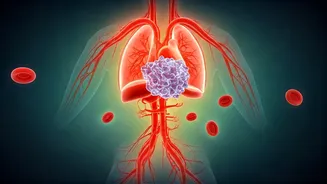
The nagging reminder to brush your teeth before bed, often dismissed as a childhood chore, holds significant implications for heart health. A study from Hiroshima University, published in Circulation, linked the bacterium Porphyromonas gingivalis, prevalent in poor dental hygiene, to an increased risk of Atrial Fibrillation (AFib). This irregular heartbeat can escalate the chances of strokes and heart attacks. Therefore, maintaining diligent oral care, including brushing and flossing, is not solely about preventing cavities but also about safeguarding your cardiovascular system. Your mum's insistence on this nightly ritual was a proactive step towards preventing serious health complications.
Meal Timing Matters
Irregular eating patterns, such as skipping breakfast and dining late, can negatively impact bone health. A Japanese study featured in the Journal of the Endocrine Society revealed a higher risk of osteoporosis in individuals who habitually miss their morning meal and consume their evening meal close to midnight. These habits, often overlooked, can silently compromise bone density and strength over time. Adhering to more consistent meal times, as often advocated by mothers, is crucial for maintaining robust skeletal health and preventing future bone-related issues. The timing of our food intake plays a more critical role in our overall health than commonly acknowledged.
Fruits, Veggies, and Longevity
The constant encouragement to consume fruits and vegetables was your mother's way of protecting your heart. Research consistently shows that a diet rich in produce and dietary fiber significantly lowers the risk of coronary heart disease and stroke. Dr. Kunal Sood emphasizes that fiber actively reduces LDL cholesterol, improves blood pressure, and mitigates inflammation. A 2017 study involving researchers from NTNU and Imperial College London found that individuals with higher fruit and vegetable intake experienced a nearly one-third reduction in the risk of premature death and approximately a quarter reduction in heart disease risk. Filling your plate with these nutrient-dense foods is a foundational step towards a longer, healthier life.
Morning Sunlight's Benefits
Embracing morning sunlight, as your mother likely advised, offers a cascade of health benefits. Exposure to morning UVB rays enables your body to produce essential Vitamin D3, vital for bone health, immune function, and mood regulation. A 2021 study from the University of South Australia found genetic links between Vitamin D deficiency and increased risks of cardiovascular disease and high blood pressure, published in the European Heart Journal. Furthermore, just 20 to 30 minutes of morning light helps reset your circadian rhythm, leading to improved sleep patterns. Sunlight also boosts serotonin, a neurotransmitter that enhances energy levels and promotes feelings of calm and focus. Your mother's simple advice was a powerful prescription for holistic well-being.