





Heat's Harmful Effect
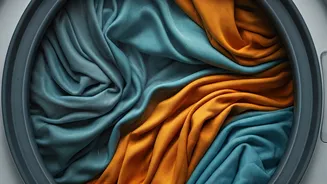
The vibrant hues and crisp textures of your beloved clothing items may be diminishing due to a seemingly innocuous laundry practice: the use of hot water.
The underlying science reveals that dye molecules, crucial for a garment's visual appeal, are destabilized by heat. Specifically, studies indicate a significant increase in dye loss when washing temperatures rise from 20°C to 40°C. Beyond this threshold, further heating exacerbates the issue, with extended wash cycles amplifying the damage. Consequently, the everyday 40°C, 60-minute wash, often considered standard, gradually leaches the life and color from your apparel. This effect is not isolated to a single garment; fugitive dyes can migrate to other items in the same load, leading to a subtle graying of whites or a dulling of lighter colored fabrics over time.
Hard Water Complication
The impact of heat on your clothing's colorfastness is unfortunately compounded by the presence of hard water. Research on naturally colored cotton fabrics demonstrates that the minerals inherent in hard water accelerate color degradation during the washing process, particularly when combined with elevated temperatures. This means that hot water damage is amplified in regions with hard water. While softer or distilled water can mitigate these effects, most households do not employ such purification methods. A practical approach to counteract this involves utilizing detergents specifically formulated for hard water conditions and, if possible, incorporating a water-softening additive. Implementing these measures alongside cooler wash temperatures significantly enhances the longevity and appearance of your clothes.
Environmental Impact
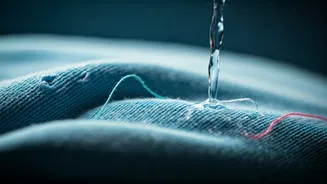
Beyond personal wardrobe maintenance, the temperature of your wash water carries substantial environmental consequences, particularly concerning microplastic pollution. Every laundry cycle, regardless of fabric type, releases microscopic fibers into the wastewater. These microfibers are a primary contributor to the pervasive microplastic contamination in aquatic ecosystems. Prolonged, hot wash cycles, especially those at 40°C, are known to shed a greater quantity of these fibers compared to shorter, cooler washes. Therefore, the same washing practices that contribute to your favorite hoodie's fading are also contributing to the slow pollution of our oceans. This connection between laundry habits and environmental health is an aspect that warrants greater public awareness and action.
Cold Wash Advantage
Embracing a cold wash cycle for your laundry presents a mutually beneficial solution, offering significant advantages for both your clothes and your energy consumption. A study published in the journal Dyes and Pigments reveals that reducing washing temperatures from 40°C to 30°C can yield approximately a 40% reduction in the energy required for water heating per load. Further decreasing the temperature to 20°C can lead to energy savings of up to 66%. The benefits extend beyond mere energy efficiency: lower temperatures effectively preserve fabric dyes, minimize microfiber shedding, and consequently reduce overall emissions. This means less fading, fewer microfibers entering waterways, lower utility bills, and decreased environmental impact – all achievable by a simple adjustment of a dial. It is a rare instance where a minor change yields such a comprehensive array of positive outcomes.
Actionable Steps
Transitioning to cold water for the majority of your laundry needs is a straightforward yet highly effective strategy for preserving garments and reducing environmental harm. Modern detergent formulations are designed to perform optimally even at lower temperatures, ensuring effective cleaning without excessive heat. For those residing in areas with hard water, selecting detergents that specifically address mineral buildup is advisable. Additionally, a simple pre-wash practice of turning dark garments inside out can further protect their color. Whenever possible, opting for shorter wash cycles further enhances these benefits. These adjustments require no specialized equipment or complex routines; a minor shift in habit is all that is needed to ensure your favorite clothing items remain vibrant and last significantly longer, while also contributing to a more sustainable laundry practice that protects aquatic ecosystems.