


Understanding Alopecia Areata
Alopecia areata is an autoimmune condition where the body's immune system mistakenly attacks hair follicles, leading to hair loss. This can manifest as
patchy or widespread thinning across various body parts, most commonly the scalp. While a permanent cure remains elusive, a range of treatments and supportive home remedies can significantly aid in slowing the loss and encouraging regrowth. It's crucial to remember that these natural solutions often work best when complementing an understanding of the underlying causes, such as stress or nutritional deficiencies, and should ideally be discussed with a healthcare professional before implementation.
Nourishing Coconut Oil Massage
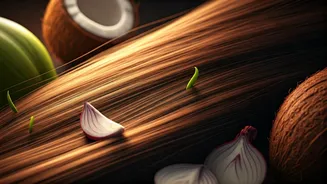
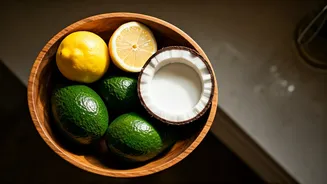
Coconut oil stands out for its ability to penetrate the hair shaft, preventing protein loss and strengthening existing strands. However, the real magic lies in the accompanying massage technique. Gently warming the oil and applying it to the affected area with circular motions for 5-10 minutes enhances blood flow directly to the hair follicles, effectively waking up dormant growth cycles. For optimal results, aim for 2-3 sessions per week, leaving the oil in overnight or for several hours before washing. This traditional remedy, grounded in scientific principles, provides deep nourishment and scalp stimulation.
Potent Onion Juice Treatment
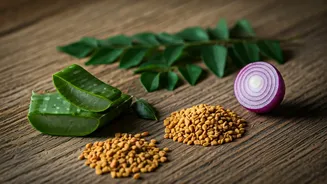
Despite its strong odor, onion juice is a celebrated home remedy due to its high sulfur content, a vital component for collagen and hair protein synthesis. To use, extract the juice from a blended or grated onion and apply it directly to the bald spot. Allow it to sit for 20-30 minutes before thoroughly rinsing. This method is known to improve scalp circulation and has shown promise in studies for addressing patchy hair loss. To mitigate the pungent smell, consider mixing in a few drops of rosemary or lavender essential oil for a more pleasant application experience.
Soothing Aloe Vera Gel
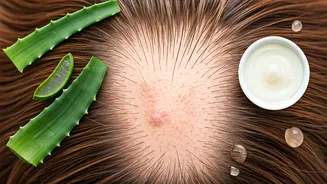
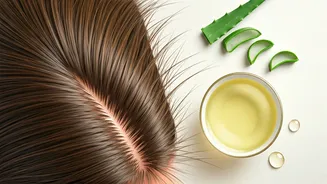
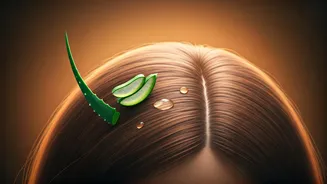
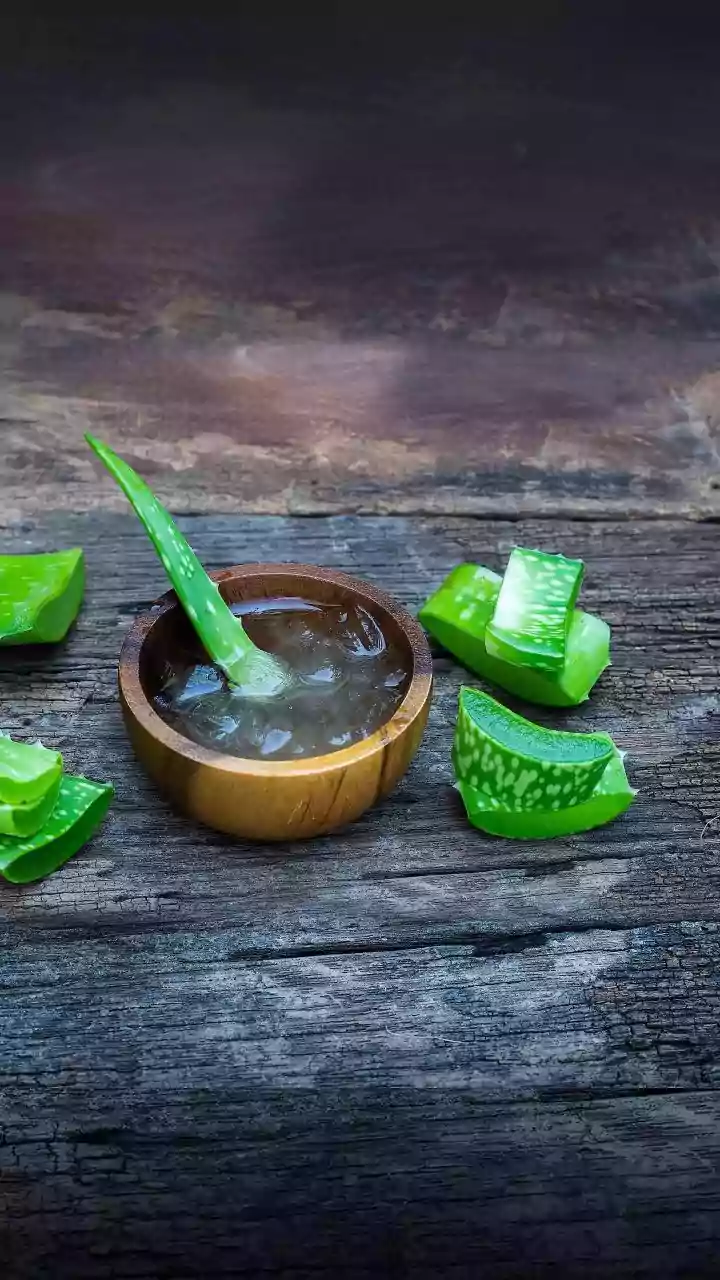
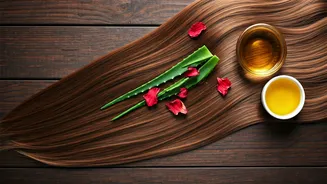
When scalp irritation, inflammation, or dryness hinders hair growth, aloe vera offers a calming and restorative solution. Its natural properties help to clear clogged follicles and reduce inflammation, creating an optimal environment for new hair to emerge. For best results, use fresh aloe vera gel and apply it directly to the scalp. Leave it on for 30-40 minutes before rinsing with lukewarm water. This gentle treatment can be incorporated into your routine 2-3 times weekly, providing a much-needed 'spa day' for stressed hair follicles and promoting a healthier scalp for regrowth.
Intensive Castor Oil Application
Castor oil is recognized as a powerful natural treatment for hair thickness, largely due to its rich concentration of ricinoleic acid. Its viscous texture can be managed by mixing it with a lighter oil, such as almond or coconut oil, to facilitate easier application. Once mixed, gently massage the oil into the scalp and leave it overnight for maximum benefit. This deeply nourishing oil strengthens hair roots and establishes a protective layer that maintains scalp health. Due to its intensity, applying castor oil once or twice a week is generally sufficient to avoid overwhelming the scalp.
Harnessing Fenugreek Seeds
Fenugreek seeds are an underappreciated yet potent natural remedy, readily available in most kitchens. They are packed with nicotinic acid and protein, essential building blocks for healthy hair. To prepare, soak fenugreek seeds overnight and then grind them into a smooth paste the following morning. Apply this paste generously to the scalp and let it rest for approximately 30 minutes before washing off. This traditional approach is highly effective for reinforcing hair roots and stimulating growth in areas experiencing thinning, contributing to stronger, healthier hair.
Addressing Stress and Diet
Effective hair regrowth often hinges on managing internal factors like stress and diet. Elevated cortisol levels due to stress can halt the hair growth cycle, a common issue known as telogen effluvium in women. Prioritizing 7-8 hours of sleep and incorporating relaxation techniques like deep breathing or yoga can help calm the nervous system and positively impact hair growth. Furthermore, ensuring adequate nutrient intake is vital, as hair receives nutrients last. A diet rich in protein (lentils, eggs), iron (spinach, dates), and healthy fats (walnuts, seeds) is crucial; insufficient iron, for example, can negate the benefits of topical treatments.
Practices to Avoid
Certain daily habits can exacerbate hair loss and should be avoided when dealing with bald spots. High-tension hairstyles, such as tight buns, braids, or ponytails, place undue stress on the hair follicles, potentially leading to further breakage and thinning. Additionally, excessive use of heat styling tools like flat irons and exposure to harsh chemicals found in bleaches and perms can damage hair structure and inhibit regrowth. Temporarily discontinuing these practices allows the scalp and hair to recover and promotes a healthier environment for natural regeneration.
Patience and Professional Advice
Achieving noticeable hair regrowth is a gradual process that requires patience and consistency. While initial signs like fine 'baby hairs' might appear within 4-6 weeks, significant filling in of bald spots typically takes 2-3 months. Switching remedies frequently can hinder progress; a consistent approach is key. It's important to consult a dermatologist if the bald spot enlarges rapidly, if the scalp is painful or inflamed, or if you experience significant hair shedding in clumps. Other symptoms like extreme fatigue or irregular periods may indicate underlying health issues requiring medical attention. While home remedies offer valuable support, professional guidance ensures comprehensive care.