




The Unspoken Arrival
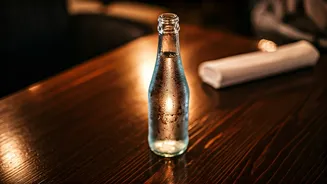
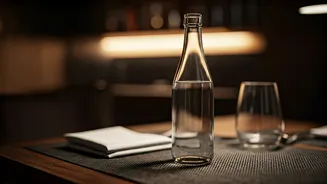
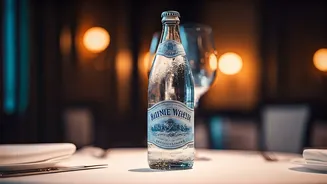
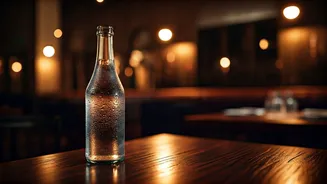
Many diners are accustomed to a familiar sight upon being seated at a restaurant: a bottle of water already present on the table. This seemingly innocuous
detail, once a mere offering of basic mineral water priced at around Rs 15, has evolved. Increasingly, patrons find themselves confronted with more expensive options, often premium brands costing upwards of Rs 60, or distinguished labels like Vedica or Himalayan, positioned as the automatic selection. This shift from an optional request to a pre-placed item is the focus of a recent online discussion that has brought attention to a subtle yet impactful restaurant practice, prompting a re-evaluation of how dining establishments subtly influence customer spending through initial table arrangements and perceived defaults.
The Psychology of Default
The phenomenon of unasked-for bottled water on restaurant tables hinges on a clever manipulation of customer psychology. When an item is already positioned in front of you, it subtly becomes the path of least resistance. Opting against it requires a conscious decision and often, an effort to decline or request an alternative, which can feel awkward for many. Consequently, individuals tend to accept the default, opting for the available bottled water over a potentially cheaper, or even complimentary, RO water option. This bypasses the crucial step of conscious choice. Had the server inquired, 'Would you prefer RO water or bottled water?', the customer would be prompted to think and potentially choose differently, thereby reducing unnecessary expenditure. Instead, the silent placement of the bottle preempts this awareness, effectively making the decision for the diner and leading to increased spending.
Diverse Online Echoes
The online discourse surrounding this restaurant practice has revealed a spectrum of opinions. Some internet users contend that customers are not compelled to purchase the bottled water and can easily refuse it, viewing it as a standard upsell tactic for establishments. Others have voiced stronger disapproval, highlighting how such methods can be deceptive, particularly for unsuspecting tourists who might be charged for items they didn't explicitly request, including water or pre-placed snacks. Sharing their personal strategies, some individuals mentioned they directly ask for the bottle to be replaced with RO water without hesitation. A common sentiment expressed was that many patrons don't realize they're thirsty until the bottle is opened, suggesting it's largely a revenue-generating marketing ploy for the restaurants rather than a genuine service for customer hydration needs.