


Moong Dal: Nutritional Powerhouse
Moong dal stands out as a remarkably light, protein-dense, and easily digestible lentil, making it a superb choice for a nutritious breakfast that provides
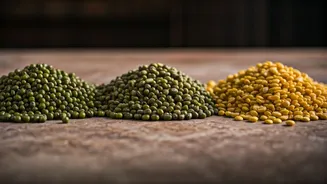
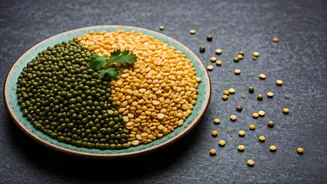
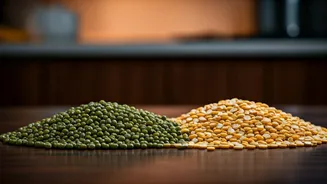
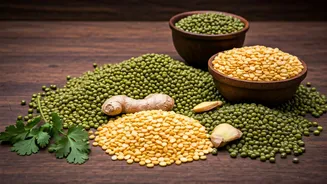
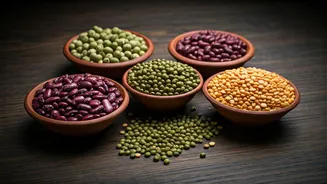
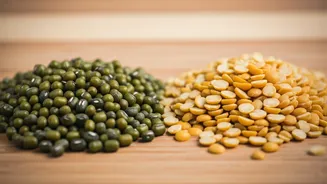
sustained energy throughout the day. Its subtle flavor profile allows it to harmonize effortlessly with various grains, fresh vegetables, and aromatic spices, opening doors to a wide array of culinary creations. From comforting porridges and savory cheelas to delicate dosas, moong dal's adaptability ensures it can be transformed into countless healthy dishes. Renowned Chef Sanjeev Kapoor emphasizes that moong is an infallible ingredient, stating, "Packed with protein, vitamins, and minerals, moong is truly a powerhouse of nutrition. Whether you’re looking to boost your energy, improve digestion, or simply add a healthy touch to your meals, moong has got your back." He further elaborates that the key lies not just in consuming moong, but in its judicious preparation to harness its full potential. Chef Kapoor distinguishes between three primary forms: whole green moong, split green moong retaining its skin, and split moong without the skin (often referred to as yellow moong), offering insights into the optimal utilization of each for maximum health advantages.
Split Green Moong with Skin
Retaining its characteristic green skin, this variety of moong dal is particularly rich in dietary fiber, essential minerals, and vital vitamins. Chef Sanjeev Kapoor notes that the presence of the skin aids in slowing down the digestive process, promoting a prolonged feeling of satiety, which is highly beneficial for individuals focused on weight management or blood sugar regulation. An important distinction for split moong with skin is its gentle nature on the digestive system compared to whole moong, making it an excellent option for those with sensitive stomachs. Additionally, its relatively quicker cooking time compared to whole moong makes it a convenient choice for a variety of culinary applications, including comforting soups, hearty stews, and flavorful curries, where it contributes both taste and significant nutritional value. Chef Kapoor suggests a delightful recipe, Moong Masoor Ki Dal, which expertly combines split moong with skin and red lentils to create a nourishing and flavorful dish, perfect when served alongside steamed rice or roti for a complete, wholesome meal.
Whole Green Moong's Versatility
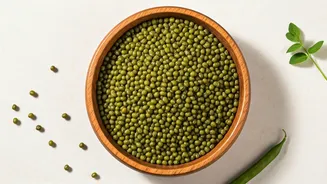
Considered one of the most ancient and beneficial pulses for daily consumption, whole green moong is a treasure trove of protein, fiber, and a spectrum of crucial vitamins and minerals. Chef Sanjeev Kapoor highlights that consuming whole moong provides the full benefit of its natural fiber content, which is instrumental in promoting healthy digestion and supporting weight management efforts. He further advocates for sprouting whole moong to significantly enhance its nutritional profile and improve digestibility. Sprouted moong is enriched with beneficial enzymes, potent antioxidants, and elevated levels of vitamins, including vitamin C, making it an exceptional choice for fortifying the immune system. For an enjoyable way to incorporate whole moong into your diet, Chef Sanjeev recommends Green Moong Oats Tikki. These crisp patties serve as an ideal snack for the evening or a nutritious addition to main meals, and are best enjoyed with a refreshing mint chutney or a creamy yogurt dip.
Yellow Moong Dal for Lightness
Yellow moong dal, also known as split moong without its skin, is the most frequently encountered variety of moong across India. According to Chef Sanjeev Kapoor, its ease of preparation, rapid digestion, and rich content of protein, folate, iron, and magnesium make it a staple. Experts concur that this variety is an excellent choice for individuals aiming to increase their protein intake without feeling weighed down. Chef Sanjeev emphasizes its digestibility and stomach-friendliness, positioning it as a perfect option for a light yet satisfying meal. The inherent versatility of yellow moong dal further enhances its appeal, allowing it to be seamlessly integrated into a diverse range of dishes, from soothing soups to flavorful khichdi, solidifying its status as a go-to ingredient for everyday cooking. A delectable recipe idea showcasing yellow moong dal is Pesarattu, a wholesome and nourishing pancake that is both simple to prepare and delightful to eat, suitable for breakfast or a light lunch.