







The Posture Problem
Many individuals struggle with a persistent lower abdominal bulge, often attributing it to excess body fat or metabolic slowdown. This frustration can
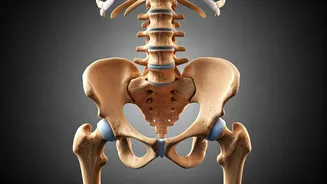
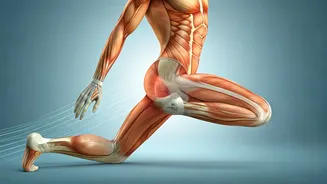
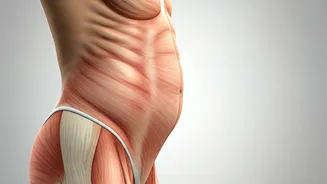
lead to increased exercise efforts and stricter diets with little to no visible improvement. However, a prominent fitness coach suggests that the issue may stem not from fat accumulation, but from a common postural imbalance known as anterior pelvic tilt. This condition affects the alignment of the pelvis, spine, and core musculature, creating an illusion of a larger abdomen and sometimes contributing to lower back discomfort. The modern lifestyle, characterized by extensive periods of sitting, is identified as a primary instigator. When hip flexors become overly tight due to prolonged sitting, they exert a forward pull on the pelvis. This action amplifies the natural curve of the lower back, causing the abdominal area to protrude more noticeably. Over time, this misalignment can lead to chronic lower back pain, diminished gluteal strength, and general workout discouragement. While often mistaken for weight gain, the protruding belly in these cases can be primarily a structural consequence, though it may coexist with actual body fat.
Identifying the Tilt
Distinguishing between a lower belly pooch caused by anterior pelvic tilt and one due to body fat involves observing specific postural cues rather than solely focusing on abdominal softness. For individuals with anterior pelvic tilt, the lower abdomen often projects forward, even if their overall body fat percentage is low. Their waistline might appear more arched than relaxed. A straightforward self-assessment involves standing in profile before a mirror and examining the curvature of your lower back. An exaggerated inward curve (lordosis) coupled with a forward-tilted pelvis strongly indicates anterior pelvic tilt. Another telltale sign is a sensation of tightness in the front of the hips and the lower back. Furthermore, individuals with this condition frequently encounter challenges in effectively engaging their core muscles. If you notice that your belly appears flatter when you consciously tuck your pelvis and activate your abdominal muscles, it suggests that your posture is the main driver of the pooch, rather than fat storage.
Corrective Movements
To counteract anterior pelvic tilt and restore a neutral pelvic position, a series of five corrective exercises can be employed, requiring no specialized gym equipment. These movements are designed to re-educate the core muscles, enhance hip joint mobility, and reduce the excessive arch in the spine. The recommended exercises include quadruped pelvic tilts, which involve controlled tilting of the pelvis while on all fours; deadbug toe taps, focusing on core stability during leg movements; bear hold toe taps, challenging core endurance in a plank-like position; hip CARs (Controlled Articular Rotations), promoting smooth and controlled movement of the hip joint; and the happy baby stretch, a restorative pose that opens the hips and lengthens the lower back. Crucially, lasting correction extends beyond formal exercise sessions. Integrating mindful posture adjustments into daily activities—such as sitting, standing, and walking—is paramount. Simple habits like consciously tucking the pelvis under, drawing the rib cage down, and rolling the shoulders back and down can make a significant long-term difference in improving spinal alignment and reducing the visual impact of the lower belly pooch.
Sitting's Deep Impact
The detrimental effects of prolonged sitting on hip flexors, glutes, and spinal alignment are substantial. When we remain seated for extended durations, our hip joints are held in a perpetually flexed state. Over time, this position causes the hip flexor muscles at the front of the hips to shorten and tighten. Concurrently, the gluteal muscles, which are responsible for extending the hips and maintaining an upright posture, become underutilized and weakened. This imbalance creates a strong pull on the pelvis, tilting it forward and consequently increasing the lordotic curve in the lower back. Moreover, sedentary behaviour limits the natural movement and mobility of the spine, which can lead to the weakening of the deep core stabilizer muscles crucial for posture. These postural shifts and stiffness can manifest quite rapidly, with noticeable changes occurring within weeks of consistent long periods of sitting, particularly if there's minimal physical activity outside of work. Within months, this compromised posture can become the body's accepted default, cementing the issue and making it harder to correct without dedicated intervention.