







Understanding Blackening Causes
It's disheartening when mangoes that initially look promising develop unsightly black spots as harvest time approaches, diminishing both their visual appeal
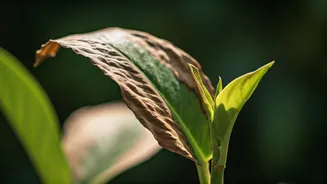
and intrinsic value. Fortunately, this common issue among cultivators can be mitigated. A primary culprit behind this discoloration is fungal infections, particularly diseases like anthracnose. Research identifies fungi such as Colletotrichum gloeosporioides, Alternaria alternata, and Capnodium mangiferae as significant threats to mango trees, manifesting as sunken black lesions on the fruit's surface. The proliferation of these pathogens is often exacerbated by high humidity, a condition frequently encountered during the critical flowering and fruit development phases. Another factor contributing to blackened mangoes is sap burn. Accidental bruising or handling of the fruit can cause its natural sap to leak, leading to dark discoloration. Agricultural experts note that inadequate fruit management during its growth cycle or at the time of harvest can result in skin blemishes and a decline in overall quality.
Proactive Protection Strategies
Fortunately, timely and strategic interventions can effectively avert many of these detrimental issues. A crucial first step involves consistent monitoring of affected trees; promptly removing any infected fruits or leaves is vital to curb the spread of disease. Implementing a preventive spray regimen for your crops is also highly recommended. Adhering to agricultural guidelines, the judicious application of fungicides at specific stages of fruit tree development can substantially reduce disease incidence and significantly improve fruit quality. Moreover, ensuring appropriate spacing between tree branches through pruning promotes better air circulation and optimal sun exposure, thereby discouraging fungal growth. Proper watering practices are equally important; excessive moisture can create humid conditions conducive to pathogen growth, whereas balanced irrigation supports healthy fruit ripening. Lastly, meticulous care is paramount during the harvesting process, ensuring fruits are picked without sustaining any injury.
Market Value Enhancement
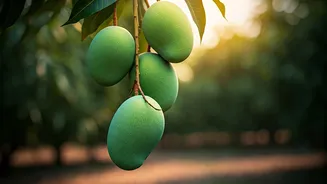
Spotless, healthy mangoes consistently command higher prices in the market, as consumers are inherently drawn to fresh, appealing produce. Even a minor black spot can considerably devalue a fruit. Enhancing the quality of your produce directly translates into improved profitability. As highlighted by the Food and Agriculture Organization (FAO), adopting improved cultivation practices can lead to substantial increases in market value and significant reductions in losses. Furthermore, producing fruits of superior quality, characterized by vibrant color and freedom from disease, greatly increases the chances of meeting stringent export requirements. Such high-quality produce opens doors to larger markets, yielding even greater income. Therefore, preventing mango blackening transcends merely saving the harvest; it's about maximizing potential profits. Implementing the right actions at the opportune moments can pave the way for considerable financial gains for your farming enterprise.