



Embracing Indian Aesthetics
Indian fashion, a captivating tapestry woven with diverse regional influences, offers a rich spectrum of styles. From the vibrant silks of Banaras to the delicate
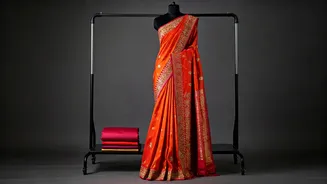
embroidery of Lucknow, each region boasts distinct craftsmanship. To embrace Indian aesthetics is to understand the significance of these nuances, appreciating the history and artistry embedded in each garment. This appreciation extends beyond mere trends; it's about connecting with the cultural heritage and finding personal resonance within this diverse landscape. This involves exploring the intricate details of sarees, the comfort and elegance of salwar kameez sets, and the versatility of kurtis. Furthermore, it encourages the exploration of traditional fabrics such as cotton, silk, and khadi, each possessing unique qualities and a story to tell. By gaining knowledge of various embroidery techniques and design motifs, one develops a deeper admiration for Indian fashion's artistic elements, thereby expressing themselves authentically.
The Foundation: Wardrobe Essentials
Building a solid foundation for your Indian fashion wardrobe begins with key essentials. A well-curated collection of these staples ensures versatility and adaptability. Start with a selection of classic sarees in neutral colors like beige, cream, or navy, perfect for various occasions. Then, consider investing in a few essential salwar kameez sets in versatile colors. A simple, well-fitting white kurta is a must-have, providing an ideal base for accessorizing and layering. These versatile items can be dressed up or down depending on the occasion. Further, invest in a couple of elegant lehengas for special events and celebrations. Consider a collection of comfortable yet stylish kurtis, allowing for pairing with various bottoms, from leggings to palazzos. Finally, a few well-chosen dupattas, in diverse fabrics and colors, add a final touch to the attire. When combined together these essentials serve as the building blocks for an adaptable and stylish wardrobe.
Accessorizing with Flair
Accessorizing is the art of injecting individuality and personality into an outfit. Jewelry, bags, shoes, and scarves play pivotal roles in transforming a basic ensemble into a distinctive statement. Start with classic pieces such as statement necklaces, bangles, and earrings that reflect the diverse range of Indian craftsmanship. Experiment with materials like gold, silver, and precious stones to enhance your ethnic attire. When it comes to bags, opt for clutches or potli bags in vibrant colors or intricate designs for special events. For footwear, select juttis, embellished sandals, or traditional wedges. Dupattas offer the final touch, acting as a canvas for color, pattern, and texture. Additionally, embrace scarves and shawls in varied materials and patterns. Remember, accessories serve as the ultimate finishing touch to define your style and express your unique fashion sensibilities.
Blending Tradition, Modernity
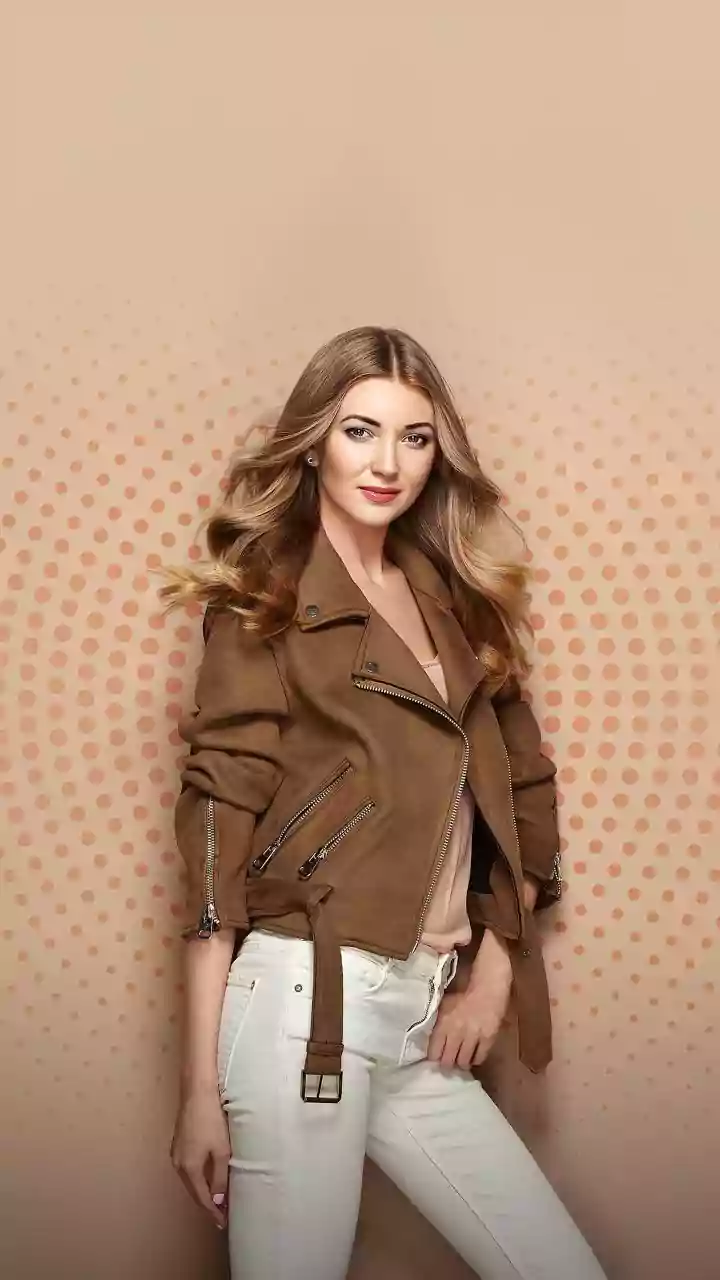
Merging traditional Indian fashion with modern aesthetics is all about balance. One strategy is to pair a classic saree with a contemporary blouse. Consider using a tailored shirt or a crop top instead of a traditional blouse. Similarly, wear a kurta with jeans or leggings for a fusion of comfort and style. Incorporate statement pieces, like a traditional embroidered jacket, with minimalist modern outfits. You can also mix fabrics: pairing a silk dupatta with a modern top. Footwear and accessories are opportunities to blend traditional and modern elements. Experiment with contemporary heels with a saree or mix modern jewelry with traditional outfits. Lastly, explore the blending of colours: Pair traditional reds and golds with contemporary blacks and whites. Combining tradition and modern aesthetics allows for creative self-expression, resulting in fresh and personalized looks.
Trends to Watch
The dynamic world of Indian fashion always presents exciting new trends. Contemporary silhouettes, such as palazzo pants and wide-legged trousers, are on the rise, often paired with kurtis or tunics for a blend of style and comfort. Fusion wear, which combines Western and Indian designs, is gaining popularity through the pairing of crop tops with lehengas and layering of jackets with traditional attire. Sustainability and ethical fashion are also making an impact, with an increase in demand for handcrafted, organic, and locally-sourced materials. Furthermore, there is a focus on intricate embroidery, such as Chikankari and Zardozi, which showcase the skill of Indian artisans. Designers are experimenting with bold colors and innovative prints, along with a revival of heritage crafts. By keeping up-to-date with emerging trends, you can be well-informed and stay ahead of the curve.
Care and Maintenance
Proper care ensures longevity and allows your Indian fashion garments to look their best. When it comes to sarees and delicate fabrics, opting for professional dry cleaning is often the best choice. This method is especially crucial for silk, zari-worked, and embroidered garments. For cotton and other everyday wear, gentle hand washing with mild detergents is recommended. Be mindful of washing colors separately to prevent bleeding. Always iron your clothes inside out, particularly if they have embellishments or embroidery. Proper storage is also key: store sarees and delicate items in breathable garment bags to protect them from dust and damage. Ensure that each garment is neatly folded or hung to maintain shape. With the implementation of these care practices, you can preserve the quality and beauty of your Indian fashion collection.