


Humidity's Card Cling
Have you ever found yourself in the midst of an engaging card game, only for the cards to betray you by sticking together? This common frustration often
arises from ambient humidity, especially during warmer months, or simply from repetitive shuffling. The moisture in the air interacts with the surface of the cards, creating a slight adhesion that hinders their smooth movement. When dry, cards glide effortlessly, but moisture introduces an almost suction-like quality, making them cling unpleasantly. This can disrupt the flow of any game, from casual rummy sessions to serious poker nights, impacting the tactile experience and precision required for skillful play. The once fluid deck becomes heavy and awkward, diminishing the enjoyment of the game and potentially leading to misdeals or fumbled hands.
The Flour Miracle Explained
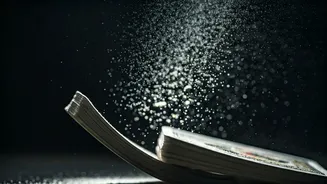
The unassuming kitchen staple, flour, offers a surprisingly effective solution to this card-clinging predicament. The magic lies in its inherent moisture-absorbing properties. When applied as a very light dusting, flour particles create a microscopic barrier that effectively reduces friction between cards. Think of it as an invisible lubricant that allows them to slide past each other with ease. Research published in journals like Food Chemistry highlights how flour's structural composition is adept at interacting with water molecules. On a playing card, instead of forming dough, it establishes a drier microenvironment. These tiny particles act as moisture-wicking agents, drawing away dampness from the card surfaces, much like chalk helps athletes maintain a dry grip. This scientific principle ensures that even older decks, whose protective coatings may have deteriorated, can regain their swiftness and lightness.
Mastering the Dusting Technique
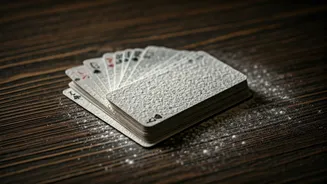
Applying flour to your card deck requires a touch of finesse to achieve optimal results. The goal is to impart a subtle, undetectable dryness rather than a visible dusting. Over-application can lead to an undesirable powdery feel. A highly effective method involves placing your cards into a large zippered plastic bag, adding just one tablespoon of flour. Gently agitate the bag, ensuring an even distribution of flour across all cards. Afterward, carefully remove the cards and give the deck a gentle tap to dislodge any excess powder. The objective is for the flour to settle into the minute imperfections on the card surface, not to form a thick coating. Adherence to this careful application ensures that the flour works its magic without compromising the feel or appearance of your cards, preserving their usability for countless games.
Long-Term Card Preservation
Beyond immediate restoration, the flour dusting technique contributes significantly to the longevity of your card decks. Excessive moisture can cause cards to warp, curl, and develop frayed edges, rendering them permanently damaged and unusable. By regularly employing this simple flour hack, you actively prevent such detrimental effects. Keeping your cards dry is paramount to protecting your investment and ensuring you can continue to enjoy your favorite deck for years to come. This method underscores the principle of leveraging readily available resources for practical solutions. Understanding how moisture impacts card materials and how powders interact with them transforms an ordinary cooking ingredient into an invaluable tool for any card enthusiast, negating the need for expensive alternatives.