





Choosing Wisely
When it comes to heart health, not all dried fruits are created equal. For individuals managing blood pressure, prioritizing nuts like almonds, walnuts,
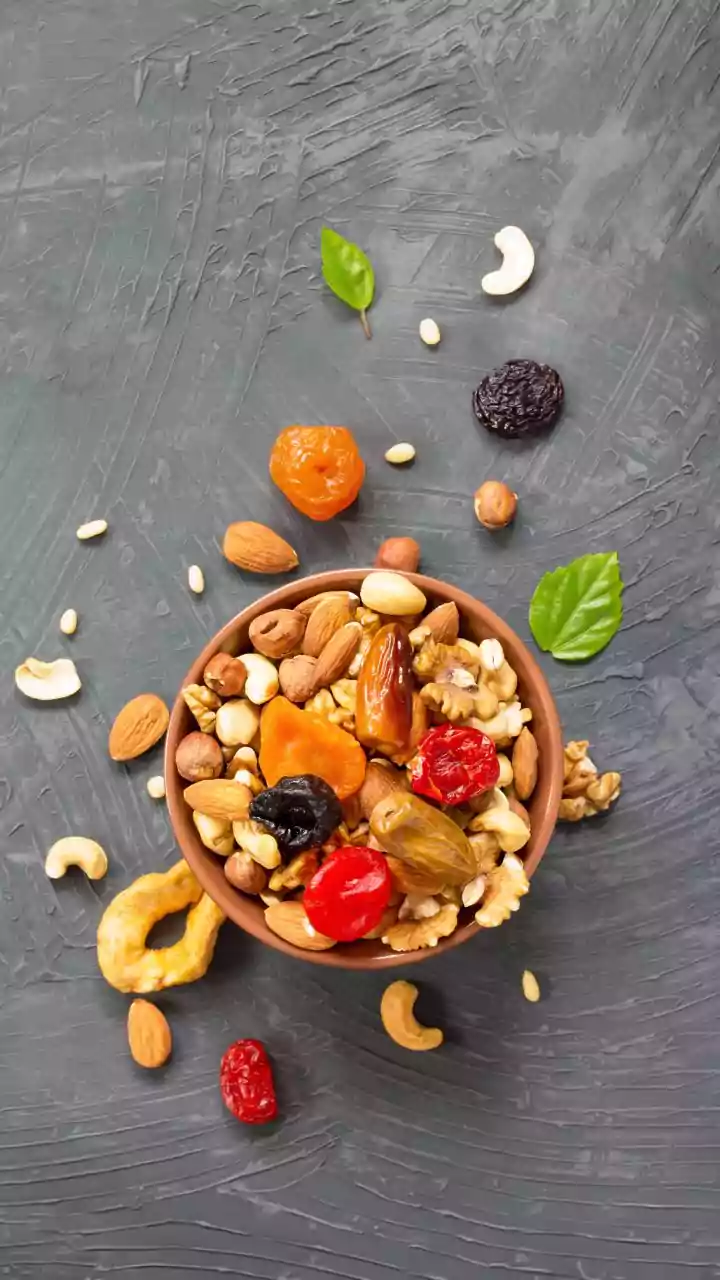
and pistachios is paramount. These are packed with beneficial unsaturated fats, essential fiber, and powerful antioxidants, all contributing to robust cardiovascular function. These healthy fats are instrumental in maintaining balanced cholesterol levels. Additionally, small portions of naturally dried fruits such as raisins and figs can be incorporated due to their valuable fiber and micronutrient profiles. However, it's crucial to steer clear of processed varieties. Heavily sweetened, candied, or salted dried fruits pose a risk by increasing sodium and sugar intake, which can have detrimental effects on heart health. A discerning approach to selection is key to leveraging the benefits of dried fruits for your heart.
Sugar Savvy
Dried fruits, while nutritious, contain concentrated natural sugars that necessitate careful consideration, especially for individuals managing diabetes or metabolic conditions. It's important to remember that 'natural sugar is still sugar.' To mitigate potential blood sugar spikes, it is advisable to consume dried fruits in conjunction with nuts or after a meal, rather than on an empty stomach. This combined intake helps to moderate the absorption of sugars, leading to a more stable blood glucose response. Understanding this aspect of dried fruit consumption is vital for those looking to harness their health benefits without compromising blood sugar control.
Cholesterol and BP Boost
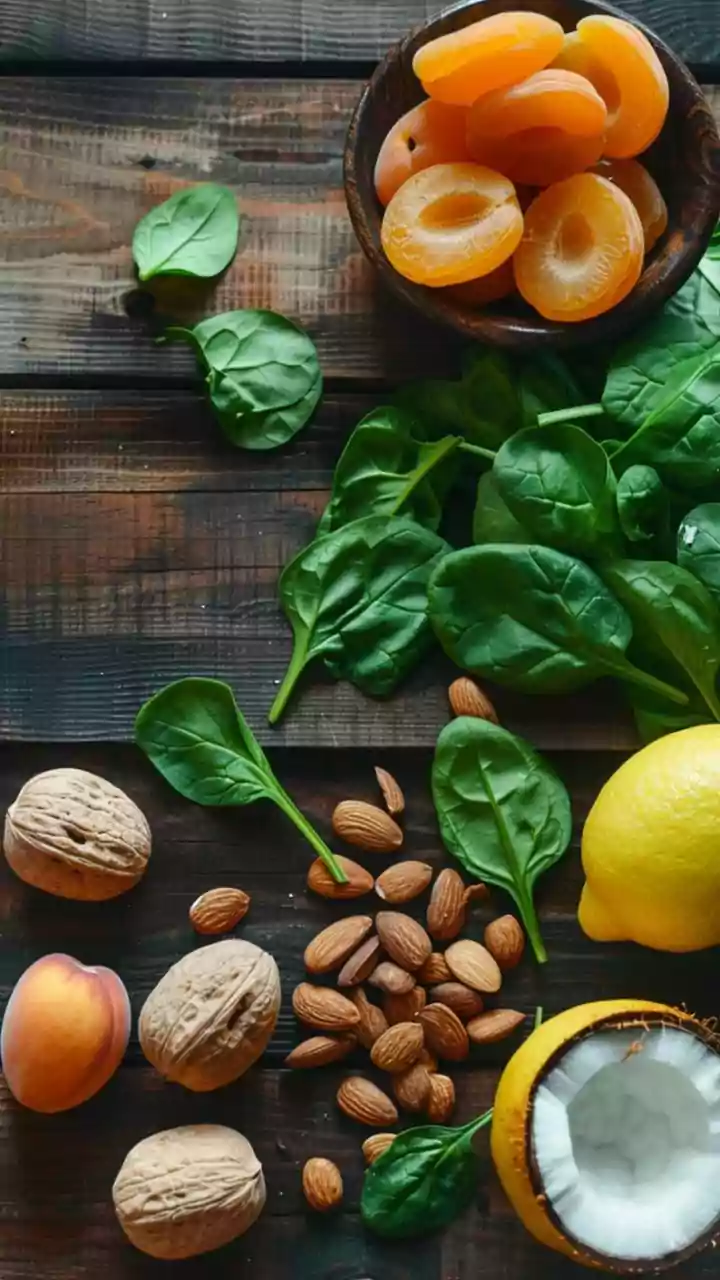
When incorporated thoughtfully into one's diet, dried fruits can yield significant benefits for cholesterol levels and blood pressure. Walnuts and almonds, in particular, are rich in heart-healthy fats that, with consistent consumption, can contribute to improved cholesterol profiles over time. Furthermore, certain dried fruits offer a good source of potassium, a mineral vital for blood pressure regulation. Raisins and apricots, for example, can play a supportive role in managing blood pressure due to their potassium content. The key to realizing these benefits lies in consistent, moderate intake, rather than consuming large quantities. Overconsumption of even the healthiest foods can lead to excess calorie intake, potentially contributing to weight gain—a known risk factor for heart disease. It's easy to underestimate the calorie density of dried fruits, making portion control essential.
Portion Perfection
The principle of moderation is paramount when enjoying dried fruits for their health advantages. A recommended daily intake for nuts is approximately 5 to 10 pieces, while for other dried fruits, 1 to 2 tablespoons is considered a safe and beneficial amount. Adhering to these guidelines helps ensure that you receive the nutritional benefits without inadvertently consuming excess calories. This mindful approach is crucial because many individuals tend to underestimate the calorie content of dried fruits, which are quite calorie-dense. By respecting these portion sizes, you can effectively manage your intake, support weight management goals, and contribute positively to your overall cardiovascular health, preventing potential weight gain that could counteract the benefits.