
Current Pollution Levels
Recent data reveals that a significant portion, approximately 65%, of Delhi's PM2.5 pollution originates from surrounding areas. This underscores the interconnectedness
of air quality across the region. The analysis highlights the challenge of controlling pollution when its sources extend beyond city limits. The situation is further complicated by meteorological factors and seasonal changes, leading to fluctuating pollution levels. These levels often spike during specific times of the year, amplifying the impact on public health. Effective strategies must consider both local and regional factors to achieve substantial improvements in air quality. Addressing transboundary pollution sources is essential for achieving long-term sustainability and improving Delhi's air quality.
Vehicle Restrictions in Place
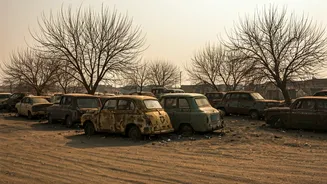
To combat pollution, the Delhi government has implemented an entry ban on older outstation vehicles, aligning with GRAP 4 regulations. This restriction aims to reduce emissions from older, more polluting vehicles. The ban directly impacts vehicles from outside Delhi, enforcing stricter emission standards. This measure reflects the government's commitment to improving air quality during critical pollution phases. The restrictions are designed to be temporary, adjusted based on the prevailing pollution levels and weather conditions. Enforcement of these rules involves increased monitoring and stricter checks at city borders. These efforts underscore the urgent need to address pollution and safeguard public health during periods of heightened air contamination.
Anti-Pollution Curbs Detailed
A comprehensive list of anti-pollution curbs is in effect in Delhi, encompassing work-from-home policies and fuel restrictions. These measures are designed to reduce traffic congestion and minimize emissions from vehicles. The guidelines include encouraging remote work arrangements, reducing the number of vehicles on the road. The government also emphasizes the need for fuel efficiency, advocating for the use of cleaner fuel alternatives. Public awareness campaigns educate residents about the importance of adhering to these rules. The focus is on encouraging collective responsibility and promoting sustainable practices to counter pollution. These actions demonstrate the government's comprehensive strategy for curbing pollution and protecting the environment. Compliance with these measures is critical for minimizing the impact of pollution on public health and the environment.
Tree Removal Policy
The Delhi government is developing a policy to remove kikar trees, aiming to enhance air quality. Kikar trees, while common, are not ideal for pollution reduction and may hinder overall air quality improvement efforts. The policy focuses on replacing them with more beneficial species known for their pollution-absorbing properties. It reflects a shift towards planting trees that are better suited to improving air quality. The move recognizes the significance of tree selection in urban greening strategies. It is an effort to improve Delhi's overall air quality while fostering a sustainable environment. This step aims at long-term ecological balance and better air quality.
Regional Impact Noted
The implications of Delhi's pollution extend beyond the city limits. Incidents like the abandonment of a cricket match in Lucknow because of air quality issues demonstrate the widespread effects. The observations by Akhilesh Yadav highlight the impact on neighboring regions. The pollution levels can create severe issues, including health hazards. These incidents bring the impact of poor air quality to the forefront. They illustrate the need for coordinated, regional approaches to address pollution. The need for comprehensive actions is underscored to address the root causes and mitigate the wider impacts on public health and regional sustainability.