



Preserved Delights
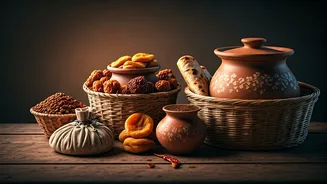
Long before refrigeration, Indian kitchens were masters of preservation for travel. Pickles and chutneys, a staple in small jars, were more than just condiments;
they transformed bland meals into delightful experiences. Prepared with oil, salt, and souring agents like vinegar or raw mango, these preserves acted as both flavour enhancers and effective preservatives. Similarly, fruit and vegetable preserves, often packed in oil or thick sugar syrups, were designed to withstand the rigours of heat and extended travel. These compact, flavourful additions were crucial for masking the staleness of staple foods like bread or rice, ensuring a satisfying meal even when fresh food was unavailable. They represent a practical and ingenious approach to food security on the move, showcasing a deep understanding of food science rooted in tradition.
Sun-Dried Sweetness
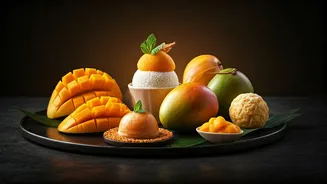
The art of sun-drying was a cornerstone of ancient Indian travel food preparation, especially for fruits. Concentrated into thin, flexible sheets like 'aam papad' (sun-dried mango leather) or simply dried whole, these fruits offered a potent source of energy and a delightful sweet-tangy flavour. This process removed moisture, the primary culprit for spoilage, while concentrating natural sugars. Fruits like mangoes, bananas, and others were dried during peak harvest seasons when abundance and reliable sunlight made it feasible. This slow, natural dehydration not only extended their shelf life considerably but also intensified their inherent flavours, turning seasonal produce into portable, nutrient-rich sustenance. Typically wrapped in waxed paper or banana leaves, these dried fruits were tucked into the heart of luggage to stay dry, providing a refreshing counterpoint to savoury travel meals.
Sweet Confections Endure
For travellers with a sweet tooth, traditional Indian confections were the perfect companions. Items like 'thekua', a dense wheat and jaggery cookie originating from Bihar, and various types of 'laddoos' (made from ingredients like gram flour, sesame seeds, or coconut) were regional favourites for long journeys. The high sugar or jaggery content in these treats acted as a natural preservative, while their dense, dry consistency ensured they wouldn't crumble easily. Families would meticulously prepare these ahead of time, often wrapping them in leaves or paper. Techniques involving ghee and toasted flours were employed to minimize moisture content, a clever, albeit primitive, method of preservation. These sweet treats provided quick energy boosts, could last for several days, and often doubled as festive snacks during journeys that coincided with important religious or social visits.
Crisp Khakhra Staple
Originating from western India, 'khakhra' is a testament to the enduring power of simple, dried flatbreads. Essentially a cooked and thoroughly dried roti, khakhra's paper-thin rolled dough and dry-roasting process makes it exceptionally resistant to moisture and physical damage during transit. Families would prepare stacks of these crisp discs, often interleaving them with cloth and applying a light smear of ghee for added flavour and preservation. Packed meticulously in tins, khakhra was a versatile travel companion, enjoyed plain, with a touch of jaggery, or paired with a bit of pickle. Its remarkable shelf life and minimal weight made it an ideal choice for daytime travel when preparing a hot meal was impractical, offering a satisfying crunch that paired perfectly with chai or coffee.
Lightweight Puffed Rice
Puffed rice, or 'murmura', and its spiced variations like 'chivda', represent the epitome of lightweight, voluminous travel food in India. These snacks were prepared in large batches by both vendors and households, ingeniously seasoned with ingredients such as peanuts, roasted lentils, curry leaves, and a hint of lime or salt. The aerated nature of puffed rice makes it incredibly light yet satisfyingly bulky, providing a quick, crunchy fix for hunger during long journeys. While susceptible to softening in humidity, this didn't lead to spoilage, making it a forgiving option. Portions could be easily replenished from a communal tin, and its airy texture made it an ideal snack for extended periods when a substantial meal wasn't readily available.
Protein Powerhouses: Sattu & Gram
For sustained energy and protein on the move, ancient Indian travellers relied on ingredients like 'sattu' (roasted gram flour) and whole roasted chickpeas or peanuts. Sattu, in its flour form, could be easily carried and mixed with water or buttermilk at rest stops to create a revitalizing drink. Roasted gram and peanuts offered a ready source of slow-burning energy that required no preparation. In regions like central and eastern India, travellers would carry small earthen pots filled with sattu, which could be combined with sour yogurt or jaggery to form a filling and cooling meal. These robust, protein-rich options were far more durable and practical for long-distance travel than fresh pulses, ensuring travellers remained nourished and energetic throughout their journeys.