

Fabric's Status Symbol
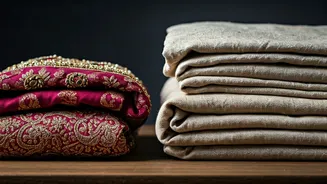
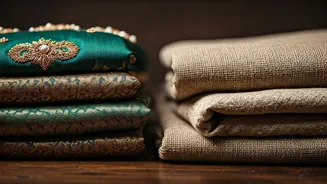
The most striking disparity in ancient Indian attire was undoubtedly the fabric employed. Royal wardrobes were exclusively adorned with luxurious materials,
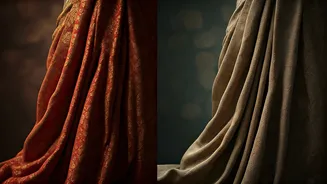
such as the highly prized kauseya silk, fine muslin that felt like air, and intricately woven brocades. During prosperous eras like the Maurya and Gupta Empires, trade routes facilitated the import of these exquisite textiles, with the use of shimmering zari (gold thread) and even perfumed fabrics being a testament to their opulence. In stark contrast, the common populace relied on practical, sturdy cotton garments. These ensembles were designed for everyday life, prioritizing durability and comfort over elaborate aesthetics, and typically featured less sophisticated dyeing techniques.
Embellishments and Artistry
Beyond the basic weave, the embellishments on clothing served as another significant marker of social hierarchy. Royalty's garments were rarely left unadorned. They were resplendent with extensive gold thread embroidery, meticulously set gemstones, ornate borders, and elaborate motifs that transformed fabric into wearable art. Decorative sashes and statement waistbands were often incorporated to add to the regal grandeur. Commoners' clothing, however, bore none of this lavish artistry. Any form of decorative stitching was typically limited to simple hemline finishes or basic prints, usually reserved for special occasions like festivals, rather than for daily wear, keeping their attire functional and understated.
The Language of Color
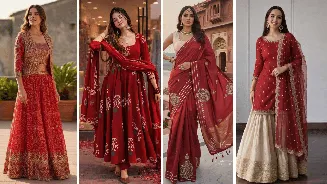
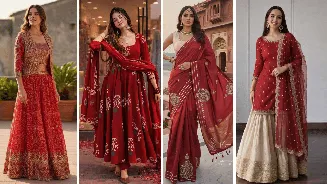
Color palettes played a pivotal role in ancient Indian fashion, conveying status and wealth. Royal attire predominantly featured rich, deep shades such as vibrant reds, auspicious saffron, radiant gold, and majestic blues. These deep hues were achieved through natural dyes derived from sources like indigo and madder, with their saturated intensity signifying affluence and power. For the common man, the preferred palette leaned towards muted, earthy tones. Many opted for undyed cotton, allowing the natural color of the fabric to prevail, or wore garments dyed with lighter, less vibrant pigments, reflecting a more grounded and less ostentatious lifestyle.
Draping Styles and Volume
Layering and draping were fundamental to ancient Indian dress, with unstitched garments being the norm for centuries. Royal ensembles often comprised a dhoti or antariya (lower garment) with elaborately pleated folds, paired with an uttariya (upper drape) made of fine silk. Multiple layers of stoles, scarves, and decorative sashes were frequently added to enhance the grandeur and create a voluminous silhouette that projected authority. Commoners' attire, while also involving drapes, was simpler. Women typically wore calf-length drapes akin to a saree, while men wore basic dhotis. They often used short upper cloths and fewer layers, partly due to the hot climate and the need for ease of movement. Royal clothing emphasized visual impact and richness, whereas commoner clothing prioritized practicality, comfort, and mobility.