






Defining Personal Style
Building a personal style starts with self-discovery. Begin by identifying what makes you feel comfortable, confident, and most like yourself. Look at your current
wardrobe and assess which pieces you love and wear most often. Consider factors such as your body shape, lifestyle, and the message you want to convey through your clothing. Experiment with different styles, colors, and silhouettes. Explore various fashion magazines, websites, and social media platforms to gather inspiration and identify designers or influencers whose aesthetic resonates with you. Remember that personal style is an ongoing process of evolution. It’s about trying new things, and learning what you like and don't like. Don't be afraid to break the rules or mix and match different styles to create something unique. Your style is a reflection of you.
Understanding Fashion Trends
Fashion trends change frequently, and understanding them is key to staying current, but it's not essential to follow every trend. Stay informed by reading fashion publications, following style influencers, and browsing online retailers. Pay attention to runway shows and street style images to see what's trending. Distinguish between fleeting trends and timeless classics. Consider which trends align with your personal style and lifestyle. Incorporate trends selectively. A great way to do this is to add a trendy accessory, or a piece that can be easily incorporated into your existing wardrobe. Don’t invest heavily in items that are likely to be short-lived. Balancing trends with personal preferences is vital. You can adapt trends to suit your body type and individual style, creating a look that is both fashionable and authentically you. Staying informed helps to stay current, without having to overhaul your wardrobe every season.
Building a Versatile Wardrobe
Building a versatile wardrobe means having essential pieces that can be mixed and matched to create various outfits. Start with the basics: well-fitting jeans, a classic white shirt, a little black dress, and a tailored blazer. Invest in high-quality items that will last, such as a timeless coat or a pair of versatile shoes. Then you can build around these core pieces by adding layers, accessories and seasonal items. Choose neutral colors like black, white, navy, and gray for your core pieces, as they can be easily combined with other colors and patterns. Add pops of color through accessories like scarves, handbags, or shoes. Consider your lifestyle and the activities you participate in regularly when selecting your wardrobe staples. If you work in an office, you'll need professional attire; if you lead an active lifestyle, you'll need functional and comfortable clothing. With a well-curated wardrobe, you can create endless outfit combinations, saving time and money in the long run.
Accessorizing with Confidence
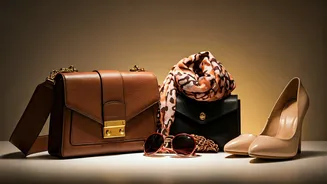
Accessories are the secret weapon to elevate any outfit and showcase your personality. Experiment with jewelry, scarves, belts, bags, and shoes to add visual interest. Choose accessories that complement your outfit and enhance your personal style. Consider the color, texture, and size of the accessories to ensure they balance the overall look. Don't be afraid to experiment with different combinations to discover what works best for you. Statement jewelry can transform a simple outfit into something special, while a well-chosen scarf can add warmth and color. Bags serve a functional purpose and make a fashion statement. Experiment with different styles and colors. Accessorizing can be a way to reflect the mood you are in and express your creativity. Accessories should be carefully chosen to create a cohesive and well-balanced look. It's about finding pieces that resonate with your personal style and that make you feel good when you wear them.
Shopping Smart and Sustainably
Shopping smartly means making informed decisions and being mindful of your purchases. Set a budget and stick to it, and prioritize quality over quantity. Choose pieces that you can see yourself wearing for years to come. Do your research before buying and read reviews or get recommendations. Consider buying clothes that are made to last longer. Embrace sustainable fashion practices to reduce your environmental impact. Choose eco-friendly fabrics. Support brands that use ethical manufacturing processes. Explore vintage and second-hand options to give clothes a new life and reduce waste. By making smart and sustainable choices, you can build a stylish wardrobe that aligns with your values. Remember to take care of your clothes, repairing and mending items instead of discarding them. Being a smart and sustainable shopper is good for your closet and for the planet.