






The Transplant's Endurance
The effectiveness of hair transplantation as a permanent solution for hair loss is a significant advancement, offering hope to many experiencing thinning
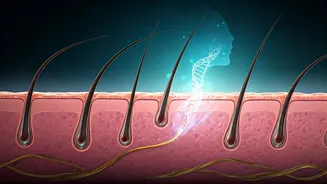
hair. Recent research, including a comprehensive study involving 500 individuals, strongly supports the notion that transplanted hair generally continues to grow indefinitely. This resilience is attributed to the inherent characteristics of the donor hair follicles. These follicles are typically harvested from areas of the scalp that are genetically predisposed to resist the effects of DHT (dihydrotestosterone), the primary hormone responsible for androgenetic alopecia, or male-pattern baldness. When these resistant follicles are relocated to thinning or bald areas, they largely retain their DHT-resistant qualities, enabling them to thrive and produce hair that closely mimics the original growth patterns. This inherent resistance is the cornerstone of why a hair transplant is considered a lasting intervention, providing a sustained aesthetic improvement rather than a temporary fix.
Study Confirms High Survival
A notable study conducted at Goglo Hospitals, involving 500 participants and led by Dr. Venkat et al., provides compelling evidence for the enduring success of hair transplantation. The findings reveal an impressive survival rate of over 80% for transplanted follicles, even after an extended observation period of up to a decade. This high success rate indicates that the grafted hair maintains its vitality and continues to grow, effectively restoring density and natural-looking patterns. The study's analysis demonstrates that the transplanted hair functions autonomously from the surrounding native hair, unaffected by the balding processes occurring in other parts of the scalp. This sustained growth and density preservation underscore the reliability and long-term benefits of the procedure, validating its status as a robust treatment for hair loss.
Donor Hair Versatility
While the scalp remains the primary source for donor hair in transplantation, the availability of alternative donor sites broadens the scope of this procedure. In cases where scalp donor hair is limited, follicles from areas such as the beard and chest have proven to be equally effective. Although these body hairs may have different growth cycles compared to scalp hair, studies indicate they exhibit favorable survival rates when transplanted. The results achieved using beard or chest hair often rival those obtained with traditional scalp donor grafts, demonstrating that the principle of donor dominance and DHT resistance can be applied effectively across various body regions. This adaptability makes hair transplantation a viable option for a wider range of individuals seeking to restore hair density.
Temporary Influences on Growth
Despite the inherent DHT resistance of transplanted hair, it is important to acknowledge that external physiological factors can temporarily influence its growth. Conditions such as elevated body temperature, significant emotional or physical stress, or deficiencies in essential nutrients can impact hair health and potentially lead to temporary thinning or shedding. However, these effects are generally reversible. Once the underlying physiological stressor is removed or mitigated, the grafted hair is likely to regain its normal growth cycle. This highlights that while the transplanted follicles themselves are resilient, the overall health and well-being of the individual can play a role in the short-term appearance and robustness of the hair, though the follicle's ability to grow is fundamentally preserved.
Future Hair Loss Concerns
It is crucial to understand that while the grafted hair remains permanently in place and continues to grow, the natural, non-transplanted hair on the scalp may still be susceptible to thinning. This ongoing thinning is typically due to the continued progression of androgenetic alopecia, driven by hormonal influences. Therefore, the overall density of the scalp might diminish over time if only transplantation is considered without accompanying medical management. To maintain optimal scalp coverage and density, it is often recommended to combine hair transplantation with appropriate medical treatments. These treatments can help to slow or prevent further loss of native hair, ensuring a more complete and sustained aesthetic outcome for the individual.