






Seashells: More Than Mementos
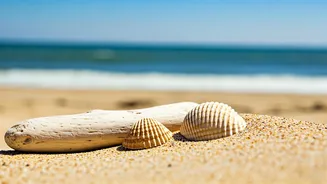
While the allure of a perfect seashell is undeniable, these natural wonders are far from just decorative items. Empty shells serve as vital housing for
a variety of marine life, including hermit crabs, and are crucial components in the natural process of sand formation and shoreline reinforcement. Many coastal regions and nations have established laws specifically prohibiting the removal of shells, particularly in significant quantities, to protect these delicate ecosystems. Even where strict laws aren't in place, the cumulative effect of countless tourists taking shells can severely disrupt the ecological balance. Instead of taking a physical piece of the beach, consider capturing its beauty through photographs or purchasing locally crafted art that supports the community without harming nature.
Sand: A Precious Commodity
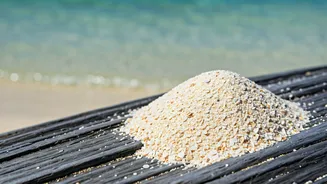
The idea of filling a small bottle with sand from a favorite beach might seem like a harmless way to hold onto a memory. However, when this practice is replicated by millions of visitors, the impact becomes substantial. Various locations worldwide have reported significant depletion of their beaches due to souvenir collection. In places like parts of Italy and the Hawaiian Islands, removing sand is a prohibited act that can result in substantial financial penalties. Beyond its aesthetic appeal, sand plays a critical role in supporting microscopic organisms and in regulating coastal erosion processes. As a responsible alternative, opt for purchasing locally produced crafts or mementos that genuinely represent the place you've visited without depleting its natural resources.
Coral: A Reef's Lifeblood
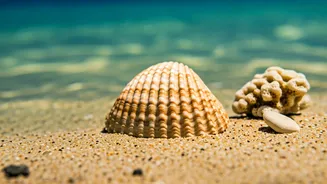
It is imperative to leave all forms of coral, whether living or dead, exactly where you find them on the beach. Coral reefs are among the planet's most vulnerable and vital ecosystems, playing an indispensable role in sustaining marine biodiversity and acting as natural barriers that shield coastlines from the damaging effects of erosion. Even fragmented pieces of coral are essential for the ongoing regeneration and health of these underwater structures. Across numerous countries, the act of removing coral is strictly forbidden by law, and violations can lead to confiscation of the items or imposition of fines. While coral jewelry might appear attractive, it is crucial to verify its legal and ethical sourcing; however, the most sustainable approach is to refrain from purchasing it altogether to avoid contributing to the potential exploitation of these delicate environments.
Marine Life Souvenirs
The sale of dried marine creatures like starfish, seahorses, or other ocean dwellers as souvenirs can have devastating effects on marine populations. Purchasing these items inadvertently encourages the harvesting of these animals from their natural habitats, which can severely disrupt delicate marine food webs and ecosystems. For instance, starfish are integral to maintaining the health and balance of coral reef environments. Their removal, whether they are alive or preserved, directly impacts the reef's stability. To safeguard these precious marine resources, it is advisable to avoid purchasing any souvenirs derived from marine animals and instead seek out ethical and sustainable alternatives that do not contribute to the decline of vulnerable species.
Coastal Flora and Fauna
Natural elements found along the coastline, such as driftwood and beach plants, serve critical ecological functions that extend beyond their visual appeal. Driftwood provides essential habitat and protective cover for various coastal species, while beach vegetation plays a crucial role in stabilizing sand dunes and mitigating erosion. Removing these natural components, even if they appear innocuous, can weaken already fragile coastal systems, making them more susceptible to damage from storms and the impacts of climate change. The principle to remember is that if an item is an integral part of the beach's natural landscape, it is best left undisturbed to fulfill its ecological purpose and contribute to the overall health of the coastal environment.