





The Shifting Landscape of Longevity
India is witnessing a profound demographic shift, with its senior population experiencing significantly extended lifespans. For individuals turning 50
today, the expectation is no longer just to reach 70 or 75, but to realistically anticipate living well into their 80s and even beyond. This evolving reality transforms the fundamental question from 'how long will I live?' to 'how well will I live?' This presents an unprecedented opportunity to plan for and actively shape the quality of those extra decades. The ambition among those over 50 is clear: to remain active, mentally sharp, and independent, enabling them to travel, learn new skills, and engage fully with their families, rather than merely observing from the sidelines. This aspiration for vitality, coupled with the sheer number of individuals over 50—nearly 250 million and growing—highlights a generation that is more informed and purposeful than ever before. This proactive approach to aging is not a matter of chance; it is the direct outcome of conscious decisions and actions taken in the years following one's half-century mark, emphasizing the critical interplay of lifestyle and health choices.
Your Choices, Your Health Trajectory
The impact of personal choices on aging is dramatically illustrated when comparing individuals of the same age. While some 65-year-olds remain robust, actively managing their health and demonstrating sharp cognitive function, others may struggle with basic tasks, indicating a decline that five years prior seemed impossible. This divergence is rarely attributable to genetics; instead, it is overwhelmingly the result of interventional choices made after the age of 50. Modern geriatric science offers a hopeful perspective: much of what is perceived as inevitable age-related decline—stiff joints, diminished energy, or cognitive fog—is actually manageable. As we age past 50, physiological changes occur in muscle mass, bone density, cardiovascular function, and cognitive agility. However, with the implementation of appropriate physical activity, tailored nutrition, and proactive support systems, these natural trajectories can be significantly influenced for the better. The critical insight here is the importance of timing. It is far more effective to focus on preserving function before it deteriorates rather than attempting to treat it once it has been lost. This necessitates screening for functional markers such as grip strength, walking speed, nutrient levels, and cognitive acuity, moving beyond a singular focus on illness detection. Viewing the body as an integrated system, rather than a collection of isolated issues, is paramount.
Actionable Steps for Vitality
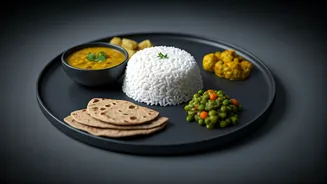
The narrative surrounding longevity in India has evolved from simply adding more years to life, to ensuring those added years are rich with movement, mental clarity, sustained energy, and a strong sense of purpose. Scientific evidence confirms that achieving this vibrant later life is not a matter of luck but a direct consequence of deliberate action. For individuals over 50, several key areas offer avenues for preparation and enhancement. Firstly, 'move with intention' is crucial; prioritize functional strength—the ability to perform everyday activities like climbing, bending, carrying, and maintaining balance—over mere aerobic fitness. Focusing on movements that preserve overall mobility is essential. Secondly, 'know your numbers' through regular health assessments, particularly simple blood panels that check Vitamin D, B12, liver enzymes, and lipid profiles, provides vital insights into where your body might need support, replacing guesswork with data. Thirdly, 'feed your body for this stage of life' by recognizing that nutritional requirements and absorption capabilities change significantly after 50. Seek out dietary guidance tailored to your current physiology, rather than relying on general or younger-generation nutritional advice. Finally, 'invest in prevention, not just treatment'; the choices made today in movement, nutrition, and ongoing health monitoring directly determine the quality of life in your 70s, 80s, and beyond. India's aging population is becoming increasingly active, curious, and intentional about their later years, signaling that the 'second innings' can be a dynamic and purposeful chapter.