






The Culprit Behind Bumps
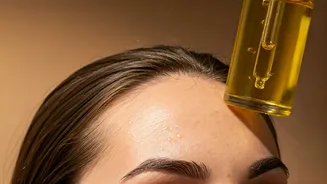
Those persistent, small bumps often appearing on the forehead after applying hair oil might not be due to your facial skincare at all; the hair oil itself
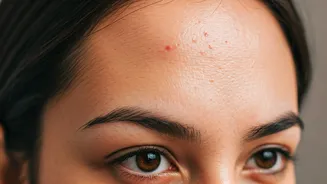
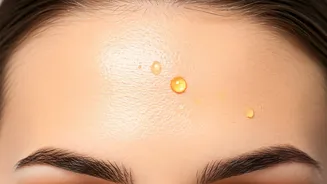
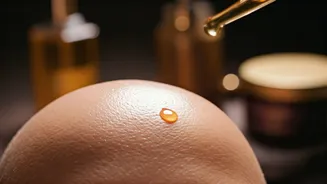
could be the primary instigator. These specific blemishes, known as 'pomade acne' or 'acne cosmetica,' are distinct breakouts directly triggered by hair care products, particularly those with an oil base. Unlike typical pimples, these bumps tend to be less inflamed and don't always fully develop or resolve easily. The mechanism involves how these oils travel from your scalp down to your skin. Once there, they combine with your skin's natural oils (sebum) and sweat, creating a potent mix that can effectively block your pores. This blockage traps bacteria, fostering an environment ripe for inflammation and the characteristic small, uniform bumps that define this type of acne. Even richer, traditional hair oils can form a dense film on the skin's surface, further contributing to pore obstruction and the accumulation of debris.
Identifying Hair Oil Acne
Distinguishing pomade acne from other forms of breakouts is key to addressing it effectively. Look for a specific pattern: breakouts concentrated precisely along your hairline and across your forehead, often presenting as tiny, uniform bumps that resemble comedones. If you notice that your acne flares up significantly only after you've applied oil to your hair and possibly touched your forehead, while other areas of your face, like your cheeks and chin, remain largely unaffected, it's a strong indicator that your hair oil is the problem. This localized reaction on the forehead, a region that already experiences higher oil production, makes it particularly susceptible to the clogging effects of hair products that migrate downwards.
Why Forehead Suffers Most
Your forehead is inherently more vulnerable to acne caused by hair oil due to its unique characteristics. As part of the T-zone, this area is naturally endowed with a greater concentration of sebaceous glands, meaning it produces more oil than most other parts of your face. This increased sebum production means the pores are already predisposed to getting clogged. Furthermore, the forehead is in constant contact with your hair, which is frequently saturated with styling products. This proximity ensures that any oil residue from your hair strands is easily transferred to your forehead. The combination of high oil production and constant exposure to hair product residue creates a perfect storm for accelerated pore clogging and frequent, persistent breakouts in this specific facial region.
Smart Oiling Strategies
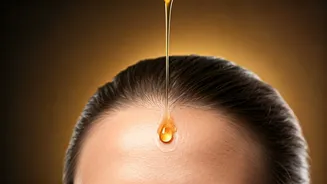
Giving up on hair oiling entirely isn't necessary, as it plays a vital role in maintaining hair health, preventing frizz, and avoiding dryness. The key lies in adopting a more strategic approach to its application. To minimize the risk of forehead acne, consciously avoid applying oil too close to your hairline or allowing it to drip directly onto your forehead. During the day and especially while sleeping, make an effort to keep your oiled hair away from your face to prevent the transfer of product residue. Additionally, try not to leave hair oil on for excessively long periods, as extended contact increases the likelihood of pore blockage. Opting for lighter oil formulations that are known to be less likely to clog pores, while still offering benefits for your hair, can also make a significant difference in achieving healthier hair and clearer skin.