





The Perpetual Oxygen Provider
The Peepal tree, also known as Ashvattha, holds the unique distinction of being a tree that continuously releases oxygen, even throughout the night. Unlike
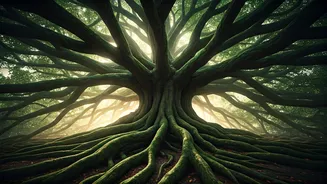
most other flora which absorb carbon dioxide after sunset, the Peepal maintains a constant production of oxygen. This remarkable characteristic has earned it the title of 'King of Trees' and is a primary reason for its revered status in ancient Vedic traditions. Sages recognized this extraordinary capability, understanding its vital role in sustaining life and positive energy, leading to its designation as a sacred tree. Standing beneath its branches is believed to be beneficial, as it continuously infuses the surroundings with life-giving oxygen and a palpable sense of well-being, making it a natural sanctuary.
Whispers of Moving Leaves
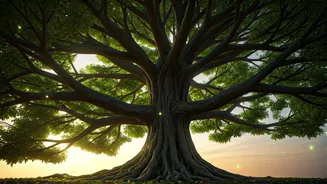
The characteristic rustling and subtle movement of Peepal leaves, often perceived as mystical, have a scientific explanation rooted in their sensitivity. These leaves act like sophisticated natural sensors, reacting to the slightest shifts in atmospheric energy and air currents around them. This constant, gentle motion, which traditionally fueled many supernatural tales, is a testament to the tree's responsive nature. The intricate connection between the leaves and the tree's overall vitality is often likened to the human mind – dynamic and perceptive. The trunk, in contrast, is seen as the unshakeable soul, representing strength and steadfastness, anchoring the tree’s energetic spirit.
Abode of the Divine Trinity
Deeply ingrained in Hindu scriptures, the Peepal tree is considered a sacred dwelling place for the divine. According to texts like the Padma Purana, it symbolizes the Hindu Trinity: Brahma, Vishnu, and Mahesh. Lord Vishnu is said to reside in its roots, Lord Keshav in the stem, and Lord Narayana in the branches, with all other deities inhabiting its leaves. This profound connection to the gods is why the Peepal is never felled, to avoid disturbing its celestial inhabitants. Even Lord Krishna in the Bhagavad Gita identifies himself with the Ashvattha, signifying the tree's representation of the divine presence in the world.
Bridge to Ancestral Realms
Beyond its connection to living deities, the Peepal tree serves as a spiritual conduit, believed to be a bridge between the realms of the living and the departed. In many traditions, people offer water at its roots, a ritual meant to honor and aid the souls of their ancestors. The tree is thought to possess the ability to absorb ancestral energies from the past. Furthermore, lighting lamps at the base of a Peepal tree, particularly on Saturdays, is a practice observed to appease Lord Shani and seek inner peace, highlighting its role in facilitating spiritual communion and well-being across different planes of existence.