

The Stomach's Role
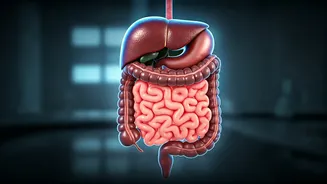
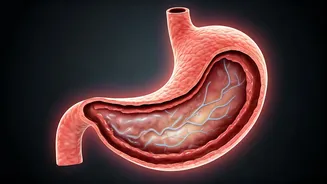
Your stomach is far more than a passive receptacle for food; it's a dynamic organ that stretches, churns, and meticulously controls the release of sustenance
into your intestines. This intricate process is orchestrated by a complex interplay of nerves and hormones. When individuals experience early satiety, it typically stems from one of two primary issues: either the stomach fails to expand adequately to accommodate food, or it empties its contents at a slower-than-normal pace. Both scenarios send premature signals of fullness to your brain, leading to discomfort. A 2021 review highlights delayed gastric emptying, also termed gastroparesis, as a frequent contributor to this sensation of being full too quickly.
Everyday Habits Worsen
Many common daily practices can subtly contribute to feeling full too soon, often without us realizing their impact. Eating at a hurried pace deprives your brain of the necessary time to register satiety, paradoxically leading to a heavier feeling post-meal. Consuming large volumes of water during meals can also create a false sense of fullness before your body has absorbed adequate nutrients, as can the frequent intake of carbonated beverages. Skipping meals disrupts your metabolic rhythm and digestive cycle, making your stomach struggle to process food efficiently when it finally arrives. Even your posture plays a role; slouching while eating compresses the stomach, impeding proper digestion and potentially exacerbating feelings of premature fullness.
Hidden Causes & Signs
The sensation of feeling full too quickly rarely arises from a single source; it's often an accumulation of minor issues. Gastritis, an inflammation of the stomach lining, can make even small portions feel overwhelming. Acid reflux can irritate the esophagus and stomach, distorting how fullness is perceived. Peptic ulcers, too, may diminish appetite while amplifying discomfort. In some instances, the issue is functional, meaning the gut appears normal but operates dysfunctionally, often influenced by stress and anxiety due to the profound connection between the brain and the gut. A government report indicates that digestive symptoms like bloating and early fullness are frequently linked to stress-induced gut disorders.
Signal Confusion Explained
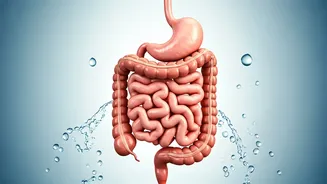
It might seem counterintuitive, but your body can simultaneously signal hunger and fullness. Hormones such as ghrelin drive hunger, while signals from the stomach and intestines govern fullness. When digestion falters or becomes irregular, these signals lose their synchronicity. This can result in the brain prompting you to eat, only for your stomach to quickly signal that it's full. Modern eating patterns exacerbate this confusion. Consuming food too rapidly, skipping meals, or opting for highly processed foods can disrupt natural bodily cues, leading to a compromised ability to regulate hunger and fullness signals effectively over time.
When to Seek Help
While occasional feelings of early fullness are normal, persistent patterns warrant attention. Key warning signs include frequent bloating after small meals, persistent nausea, unexplained weight loss, continuous stomach pain, or a noticeable loss of appetite over several weeks. These are not minor inconveniences but can indicate deeper digestive or metabolic problems. If premature fullness persists for over two weeks, or is accompanied by pain, nausea, or weight loss, consulting a specialist is advisable. Diagnostic tests like endoscopy or gastric emptying studies may be necessary to pinpoint the cause. Early intervention significantly simplifies and enhances treatment effectiveness.
Improving Digestion Strategies
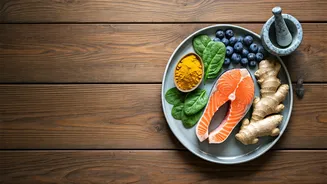
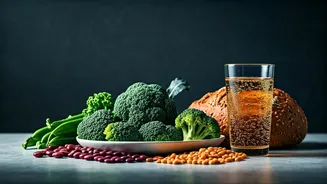
There isn't one definitive solution to early satiety, but consistent small changes can yield significant improvements. Opting for smaller, more frequent meals allows your stomach to manage food more effectively. Chewing your food slowly gives your digestive system a crucial head start. Prioritizing warm, freshly prepared meals over heavy, processed options generally aids digestion. Incorporating fiber in appropriate amounts supports gut health, but sudden increases can worsen bloating, so balance is paramount. Gentle physical activity, such as a short walk after meals, aids digestion, as does stress management through breathing exercises or relaxation techniques. Staying hydrated is vital, but spacing water intake between meals proves more beneficial than drinking large quantities during meals.