
Tradition's Enduring Legacy
Indian fashion's foundation rests on its diverse and rich heritage, shaped by millennia of cultural exchange and craftsmanship. Traditional garments like
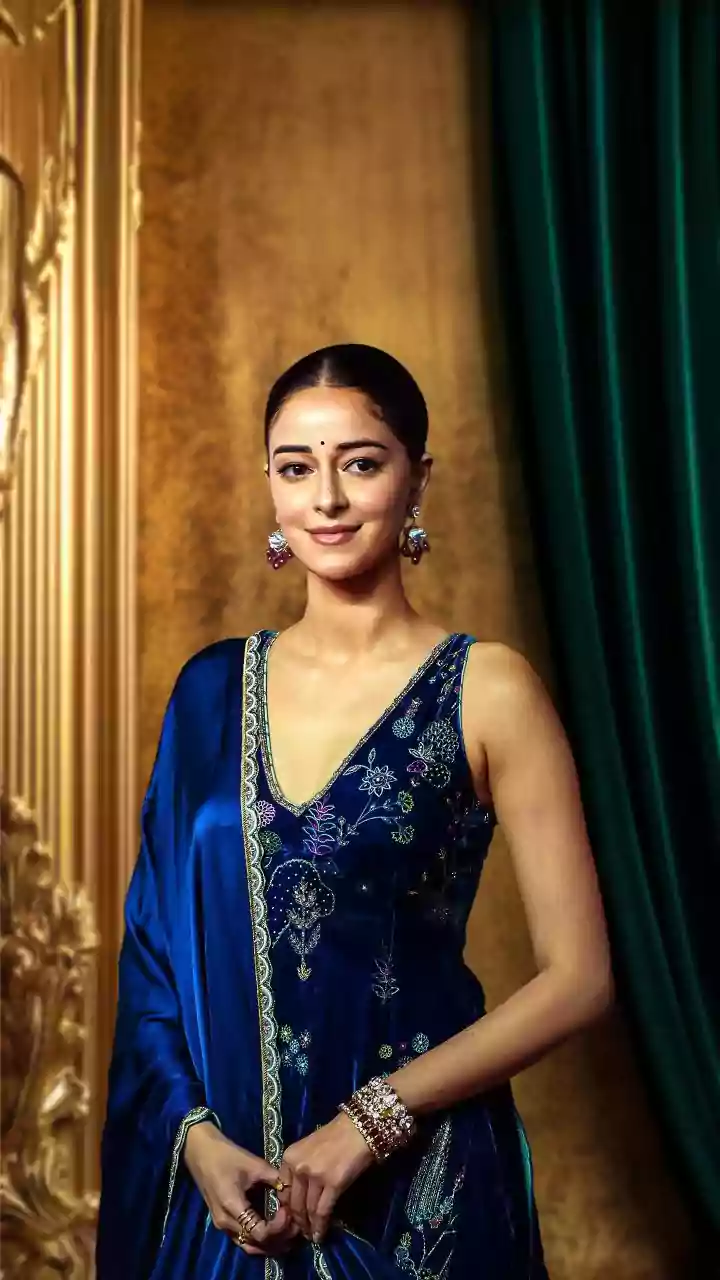
the sari, salwar kameez, and lehenga choli continue to hold significance, though their interpretation has evolved. Artisanal techniques, from intricate embroidery to hand-woven textiles, are still at the core, representing regional identities and values. Historically, fashion has been an important aspect of Indian society, reflecting social status, religious beliefs, and cultural practices. These traditional garments served as a medium for self-expression and cultural preservation, passed down through generations. Today, many designers draw inspiration from these traditional forms, integrating them into modern designs to create unique pieces that are both rooted in the past and relevant to contemporary lifestyles. The fusion of traditional techniques with modern aesthetics has given birth to new styles, which allows for creativity and innovation in the world of fashion.
Modern Design Influences
Modern Indian fashion has been heavily influenced by globalization, with exposure to international styles, trends, and brands. The rise of fast fashion and the Internet have broadened the range of choices for consumers. Simultaneously, the industry continues to reflect the country's economic and social changes, promoting inclusivity and breaking down traditional norms. Western silhouettes and design concepts have been integrated into Indian attire, with designers experimenting with cuts, fabrics, and aesthetics. Fusion styles combining Indian and Western elements are increasingly popular, offering a more versatile and contemporary look. The presence of social media and e-commerce platforms has also played a crucial role in disseminating new styles and trends. These platforms allow designers to connect with a wider audience, facilitating quicker access to the latest fashion developments. This digital transformation has democratized fashion, enabling both designers and consumers to create and engage with the industry, impacting the way fashion is designed, marketed, and consumed.
Contemporary Trends Emerge
Several contemporary trends define the current Indian fashion scene. Sustainable fashion is gaining momentum, with designers and consumers increasingly prioritizing eco-friendly practices. This involves using organic materials, reducing waste, and supporting ethical production methods. Minimalism is also making an impact, with a focus on clean lines, simple silhouettes, and a neutral palette. Athleisure, combining athletic wear and casual style, has grown in popularity, offering comfort and functionality. Designers are also embracing gender-neutral fashion and body positivity, creating inclusive collections that represent diverse body types and identities. Experimentation with textures, such as sheer fabrics, metallic accents, and embellishments, is another key trend. Modern silhouettes incorporate contemporary cuts, and the integration of traditional and modern elements is prevalent, blending classic designs with modern interpretations. This approach shows a dynamic landscape, where innovation and adaptation have brought forth several trends.
Key Fashion Elements
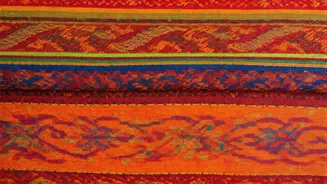
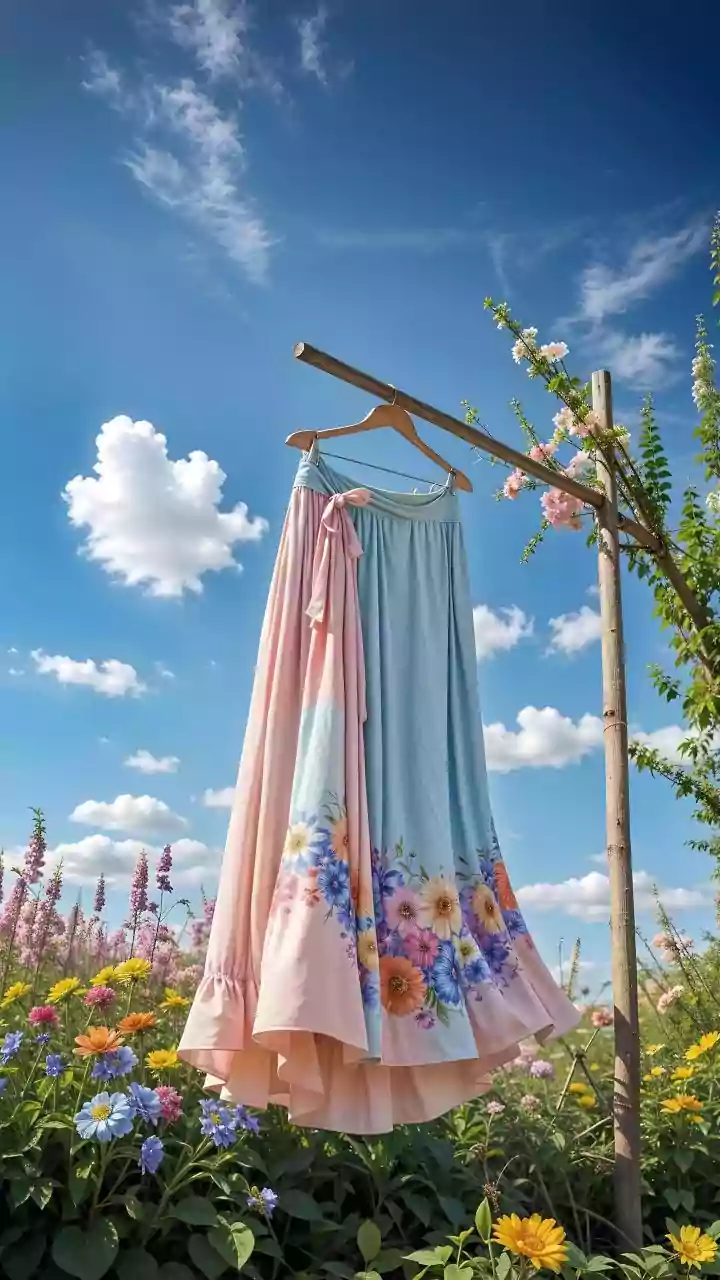
Specific elements have driven the evolution of Indian fashion. Color palettes are evolving, with bold and vibrant hues such as reds, oranges, and yellows alongside subtle pastels. Fabrics have also developed, from natural materials like cotton, silk, and linen to innovative blends. Silhouettes have embraced a variety of shapes, from classic fits to contemporary cuts, reflecting current design trends. Embellishments such as embroidery, beadwork, and sequins are still used, while design details now emphasize practicality and creativity. Accessorizing plays a significant role in completing the look, with contemporary jewelry, footwear, and bags. These elements are not just aesthetic components but also show the adaptability of the fashion industry to cultural values and contemporary needs, which influence how garments are created and perceived. The ability to integrate and adapt these elements helps fashion evolve to capture the interests of a diverse consumer base and remain relevant in a dynamic market.
Designers and Their Impact
Indian fashion designers are essential figures who propel this dynamic industry forward. They interpret cultural traditions and modern trends. Designers like Sabyasachi Mukherjee and Manish Malhotra, among many others, have gained international recognition, promoting Indian aesthetics across the globe. They bring a fresh perspective to fashion, infusing traditional techniques and ideas with modern sensibilities, leading to a unique style. Their work shapes fashion, influencing consumer choices and the evolution of the market. Supporting emerging designers and independent brands is also important, as it promotes creativity, encourages innovation, and ensures the industry remains fresh and dynamic. Designers continually explore new materials and techniques. They ensure that Indian fashion remains globally competitive and culturally significant. Their contributions show the industry's ability to adapt and reinvent itself, responding to consumer desires and reflecting India's cultural and social diversity.
Consumer Impact and Future
Consumers are driving forces of change in Indian fashion, and their preferences, choices, and participation have significant implications. Increased awareness and demand for ethical and sustainable fashion encourage brands to adopt more responsible practices. Social media has changed consumer behavior, enabling quicker access to trends, inspiring styles, and facilitating the direct interaction between consumers and designers. Consumers are more informed and have more choices than ever before. In the future, the integration of technology, like augmented reality for virtual try-ons and personalized recommendations, will grow. The focus on inclusivity and diversity will persist, as will the need for sustainable practices. The fashion industry should continue to balance tradition with modernity, promoting cultural heritage while responding to evolving consumer expectations. This will create a dynamic landscape where fashion not only reflects but also influences Indian society.