



Shifting Skincare Paradigms
The year 2026 is poised to witness a significant transformation in skincare approaches. Consumers are becoming increasingly informed and demanding, driving
the industry to prioritize ingredients that deliver tangible results and align with ethical values. Expect to see a rise in personalized skincare, where products are tailored to individual skin types and concerns. Ingredients sourced sustainably and promoting skin health from the inside out will gain prominence. The focus is shifting away from generic solutions to customized regimes. The emphasis will be on overall skin well-being, promoting a holistic approach to beauty and wellness that reflects a deeper understanding of skincare needs and priorities.
The Rise of AHAs
Alpha Hydroxy Acids (AHAs) are expected to remain a staple, particularly glycolic acid, as they continue their reign in skincare formulations. Glycolic acid, celebrated for its ability to exfoliate and rejuvenate skin, will be a key ingredient. The ingredient helps to battle dryness and promote a radiant complexion. Its popularity stems from its effectiveness in reducing fine lines, improving skin texture, and promoting an overall youthful appearance. Innovation in AHA formulations, focusing on gentler and more effective delivery systems, will be a defining feature. Furthermore, the inclusion of AHAs in combination with other potent ingredients will amplify their beneficial effects and address a wider range of skin concerns.
Focus on Anti-Pollution
As awareness about environmental stressors grows, the beauty industry will increasingly focus on protecting skin from pollution. Expect an uptick in products containing antioxidants and protective barriers, designed to shield skin from free radicals and environmental damage. Ingredients known for their detoxifying properties will be highly sought after. These ingredients work to neutralize pollutants, reducing their impact on skin health and preventing premature aging. The trend towards anti-pollution skincare underlines a growing recognition of environmental factors' detrimental effects on skin and the need for comprehensive protection. Products will be formulated to cater to the need for a healthy, glowing complexion in environments facing increased environmental challenges.
The Power of Peptides
Peptides will continue to be a powerhouse in anti-aging skincare, with new formulations and delivery methods emerging. Peptides promote collagen production, which helps to firm and reduce wrinkles. They also improve skin elasticity. Expect a rise in peptide-infused serums and creams, targeting specific skin concerns like fine lines, wrinkles, and uneven skin tone. The emphasis will be on advanced peptide complexes that work synergistically to maximize effectiveness. This will provide users with innovative anti-aging solutions. The focus will be on offering advanced anti-aging ingredients and delivering proven results.
Sustainable Beauty Practices
Sustainability will remain a top priority, with a surge in eco-friendly practices. Consumers are seeking products that are both effective and environmentally responsible. The beauty industry will increasingly adopt sustainable sourcing, eco-friendly packaging, and cruelty-free formulations. Ingredients derived from renewable sources will gain prominence. Brands will focus on reducing their carbon footprint and supporting ethical practices. This emphasis aligns with the consumer's growing awareness of environmental issues. It also showcases their preference for brands committed to sustainability and environmental responsibility. Transparency in ingredient sourcing and production processes will be key.
Personalized Beauty Solutions
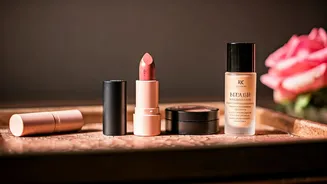
Personalization is at the forefront of beauty trends. Expect advanced skincare products customized to individual skin types and concerns. This may include personalized serums, custom-blended foundations, and bespoke skincare regimens. Data-driven analysis, using tools like skin analysis apps and questionnaires, will play a vital role. This will provide detailed insights into individual skin needs. The use of technology, such as AI, will improve product formulation and recommendations. Ultimately, it caters to specific requirements for enhanced results. The trend of personalized beauty solutions empowers consumers to create a tailor-made skincare routine. It also offers the most effective, personalized solutions for their specific needs.