




Why Lizards Visit
Lizards are not usually malicious visitors; their presence indoors is typically driven by basic needs. They often seek refuge from the elements or, more
commonly, are attracted by the readily available food sources found in our homes. These food sources primarily consist of smaller insects like mosquitoes and flies. Additionally, lizards tend to favor environments that are quiet, dimly lit, and somewhat humid, making areas like kitchens, bathrooms, and storage rooms particularly appealing. If your home has numerous unsealed openings or cracks, it provides an easy access point for these creatures to enter and establish a presence. Understanding these motivations is the first step toward an effective prevention strategy, allowing you to make your home less hospitable for them.
Scent Strategies
Leveraging the power of natural aromas is a highly effective and humane method for deterring lizards. These creatures possess a heightened sensitivity to certain smells, which can create an unpleasant environment for them. For instance, the potent aroma of garlic and onions is known to be particularly off-putting to lizards, making them reconsider entering spaces where these scents are present. Similarly, the strong fragrances of essential oils such as peppermint or eucalyptus can be disruptive to their senses, acting as a natural repellent. A practical application involves mixing these aromatic agents with water and lightly spraying the solution around common entry points like windows and doors, as well as along corners and crevices. While these scents are harmless to the lizards themselves, they are potent enough to encourage them to seek more comfortable surroundings elsewhere.
Home-Based Deterrents
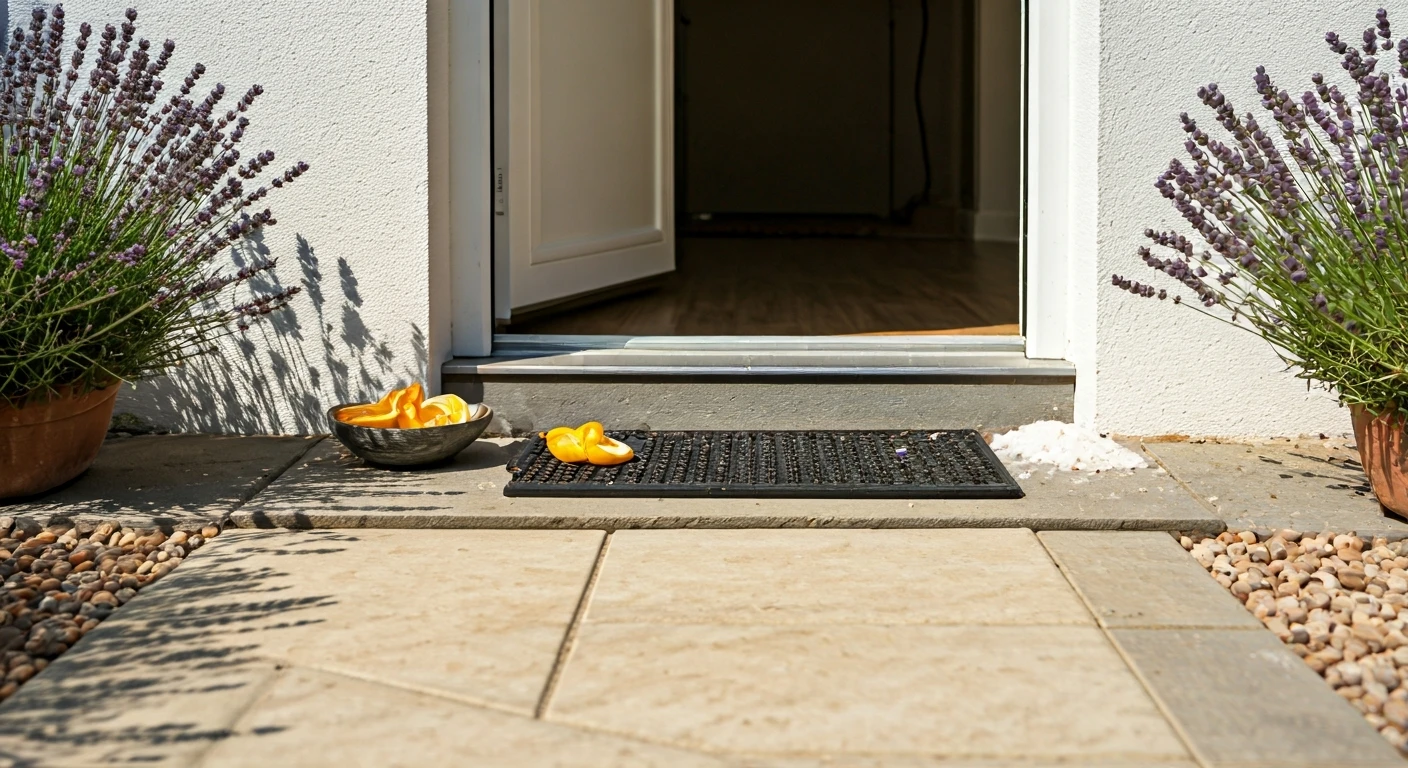
Beyond immediate scent-based solutions, incorporating a few consistent home remedies can significantly reduce the likelihood of lizards returning. The strategic placement of crushed eggshells near potential entry points is a simple yet effective measure. Lizards are known to dislike the texture and perhaps even the residual smell of eggshells, which can act as a deterrent. Maintaining a clean and dry living environment is also paramount; this not only makes your home more pleasant for inhabitants but also reduces the population of insects, which are the primary food source for lizards, thus removing their main attraction. Furthermore, ensuring adequate lighting in and around your home can make it less appealing to lizards, as they generally prefer darker, more secluded spots for hiding and hunting. Regular application of these practices creates a less inviting atmosphere for unwelcome guests.
Prevention is Key
The most critical phase in managing lizards is proactive prevention, ensuring that once they are discouraged, they do not find their way back. This involves meticulously sealing any potential entry points, such as cracks in walls, gaps around windows, and any openings in the foundation. Addressing these structural vulnerabilities significantly limits their access. Complementing these physical barriers with regular cleanliness of your surroundings is also vital. A clean environment naturally leads to fewer insects, which, as previously mentioned, are the primary draw for lizards. By eliminating their food source and blocking their routes, you create a comprehensive defense system. This methodical approach, combining sealing entry points and maintaining a clean, insect-free environment, is the most effective strategy for keeping lizards away permanently and peacefully.