





Rosemary: The Growth Stimulator
Rosemary oil stands out as a potent ingredient with a solid scientific foundation for hair growth. Its remarkable ability to enhance blood flow to the
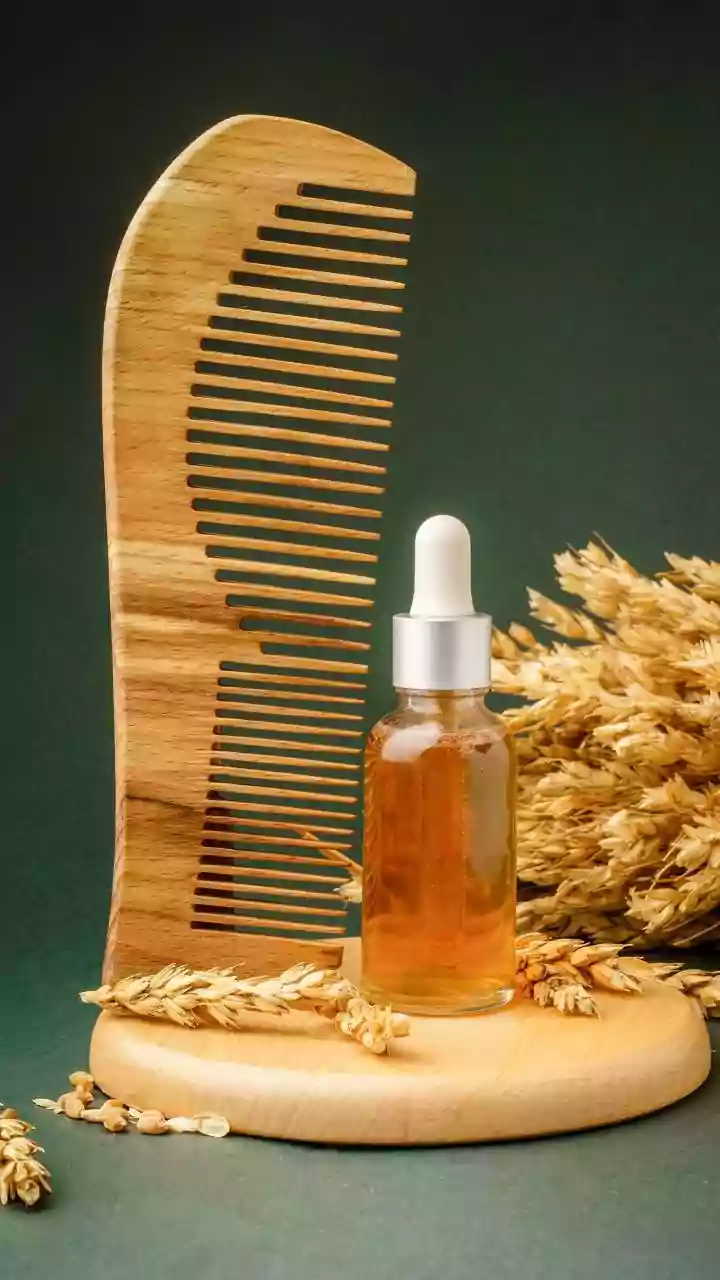
scalp directly stimulates dormant hair follicles, making it an excellent choice for addressing thinning hair. Some research even suggests its long-term efficacy can rival that of conventional hair growth treatments. However, it is crucial to understand that rosemary oil should never be applied in its pure form. Its potent nature necessitates dilution with a lighter carrier oil to ensure safe and effective application, preventing potential irritation while maximizing its beneficial effects on the scalp and hair.
Summer Scalp Dynamics
Navigating hair oiling in summer presents unique challenges. During warmer months, your scalp naturally increases oil production and sweat accumulation, which can lead to clogged follicles if heavy oils are used. This situation can impede, rather than promote, hair growth. Therefore, the primary objective for summer hair care shifts from solely focusing on growth to achieving a holistic balance that includes maintaining a clean, healthy scalp and providing lightweight nourishment, all while ensuring the chosen oils feel comfortable and breathable against the skin.
The Power of Blends
The secret to optimal summer hair growth lies in a carefully curated, lightweight oil blend. Combining the stimulating properties of rosemary oil with a gentle carrier oil like coconut or jojoba creates an effective elixir for overnight oiling. This synergy ensures that the benefits of rosemary are delivered safely, while the carrier oil provides a nourishing base without weighing down the scalp. This approach addresses the specific needs of a summer scalp, promoting circulation and strengthening roots to minimize breakage, ultimately contributing to longer, healthier-looking hair.
Real-World Insights
Anecdotal evidence from individuals who regularly engage in overnight oiling highlights the tangible benefits of these practices. Many users report a significant reduction in hair fall after incorporating regular oil treatments into their routine. Popular additions to classic oils like coconut include rosemary, which users note enhances results, but they also emphasize the importance of proper dilution. This collective experience underscores that while oils can be highly effective, their success hinges on correct application and formulation, particularly when dealing with potent ingredients like rosemary oil.
Oils to Limit
Certain oils, due to their viscosity or inherent properties, are best avoided or used sparingly during the summer to prevent scalp issues. Heavy oils such as castor oil, which is exceptionally thick, can be difficult to wash out and may feel overly greasy. Mustard oil, known for its warming effect, might increase scalp heat and discomfort in summer. Olive oil, while beneficial in other contexts, can lead to heavy buildup on the scalp in warm weather, potentially blocking follicles. If these oils are desired, they should be incorporated in very small quantities, diluted significantly with lighter oils.
Coconut Oil's Role
Coconut oil remains a beloved staple in hair care due to its proven ability to reduce protein loss, fortify hair strands, and impart softness while preventing breakage. However, its application in summer requires a more judicious approach. Over-application can result in a greasy sensation and trap heat and sweat against the scalp, which is counterproductive for growth. It’s best viewed as a foundational element in your oil mix, providing essential conditioning benefits without being the sole focus, especially when aiming for a lightweight summer hair care routine.
Lightweight Options for Oily Scalps
For those whose scalps tend to become oily quickly, specific lightweight oils offer superior benefits. Jojoba oil is an excellent choice because it closely mimics the scalp's natural sebum, helping to regulate oil production and prevent pore blockages. Argan oil is another fantastic option; it's exceptionally light, provides protection against sun damage, and effectively manages frizz. Both are ideal for overnight use in summer as they provide nourishment without suffocating the scalp, ensuring a healthier environment for hair growth.
Amla's Antioxidant Power
Amla, also known as Indian gooseberry, is an often-underestimated ingredient that significantly contributes to hair health. It actively promotes collagen production, which is vital for follicle strength, and adds a beautiful shine to the hair. Its rich content of antioxidants and vitamin C supports healthier hair growth cycles, making it a valuable addition to any hair care regimen. For summer use, amla oil performs best when it's integrated into a blend with lighter oils, ensuring its potent benefits are delivered effectively without heaviness.
Bhringraj: The Ayurvedic Star
Embracing Ayurvedic traditions offers a time-tested approach to hair care, and Bhringraj oil is a cornerstone of this practice. Often hailed as the 'king of herbs' for hair growth, it excels at enhancing circulation within the scalp and reinforcing hair roots, thereby reducing hair fall. Its restorative properties work synergistically to strengthen the hair shaft. A significant advantage for summer is its ability to be used overnight without feeling excessively heavy, especially when applied in moderate quantities as part of a balanced hair oil treatment.
Mastering Overnight Oiling
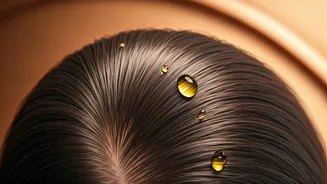
The key to successful overnight hair oiling for growth isn't about excessive application, but rather strategic and consistent use. Apply a modest amount of oil, focusing primarily on the scalp rather than saturating the lengths of your hair. Gently massage the oil into your scalp for 5-10 minutes to boost circulation. Loosely tie your hair to prevent tangles and allow your scalp to breathe. Washing it out the following morning is crucial. Remember, consistency over quantity is the most critical factor for achieving noticeable results over time.