




Ancient Roots Unearthed
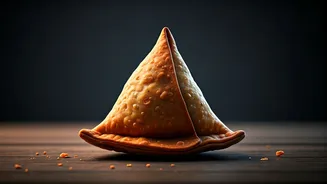
The journey of the samosa, that delightful crispy pastry filled with savory goodness, is far more ancient and global than many realize. Its ancestral form
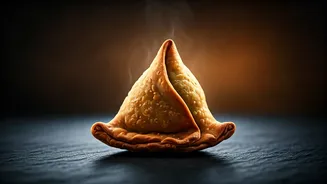
can be traced back to the bustling trade routes of Central Asia and the Middle East. Here, a precursor known as 'sambusak' or 'sanbosag' was a common sight. These early iterations were typically smaller, designed to be easily carried and to last during long journeys, making them a practical food for travelers and merchants traversing vast distances. Primarily filled with meat, these portable parcels offered sustenance and a burst of flavor in a convenient package, laying the groundwork for the culinary icon it would eventually become across various cultures and regions, eventually finding its way to the Indian subcontinent.
Royal Court's Delight
The humble samosa's path led it to the grand courts of medieval India, arriving around the 13th to 14th centuries. This arrival was facilitated by traders and travelers hailing from Persia and Central Asia, who brought with them their culinary traditions. Historical records from the Delhi Sultanate era provide intriguing glimpses into this period, mentioning stuffed and fried pastries that graced the tables of royalty. These early Indian versions were often elaborate, featuring fillings of minced meat, finely chopped nuts, and a medley of aromatic spices. Served to the nobility, these precursors to the modern samosa were considered a mark of luxury and refinement. It was within these opulent settings that the snack began its subtle yet significant transformation, gradually moving beyond the confines of the royal kitchens and into broader culinary consciousness.
The Indian Transformation
As the samosa settled into the Indian culinary landscape, it underwent a remarkable adaptation, embracing local flavors and ingredients. This evolution was significantly influenced by the introduction of potatoes to India by Portuguese traders. The humble potato became a game-changer, leading to the creation of the now universally recognized vegetarian samosa filling. Indian cooks skillfully blended spices like cumin, coriander, turmeric, and chili with mashed potatoes, creating a hearty and flavorful stuffing that resonated deeply with local palates. This shift from predominantly meat-based fillings to the iconic potato and pea combination marked a pivotal moment, making the samosa accessible and appealing to a much wider population and solidifying its place in everyday Indian cuisine.
Street Food Phenomenon
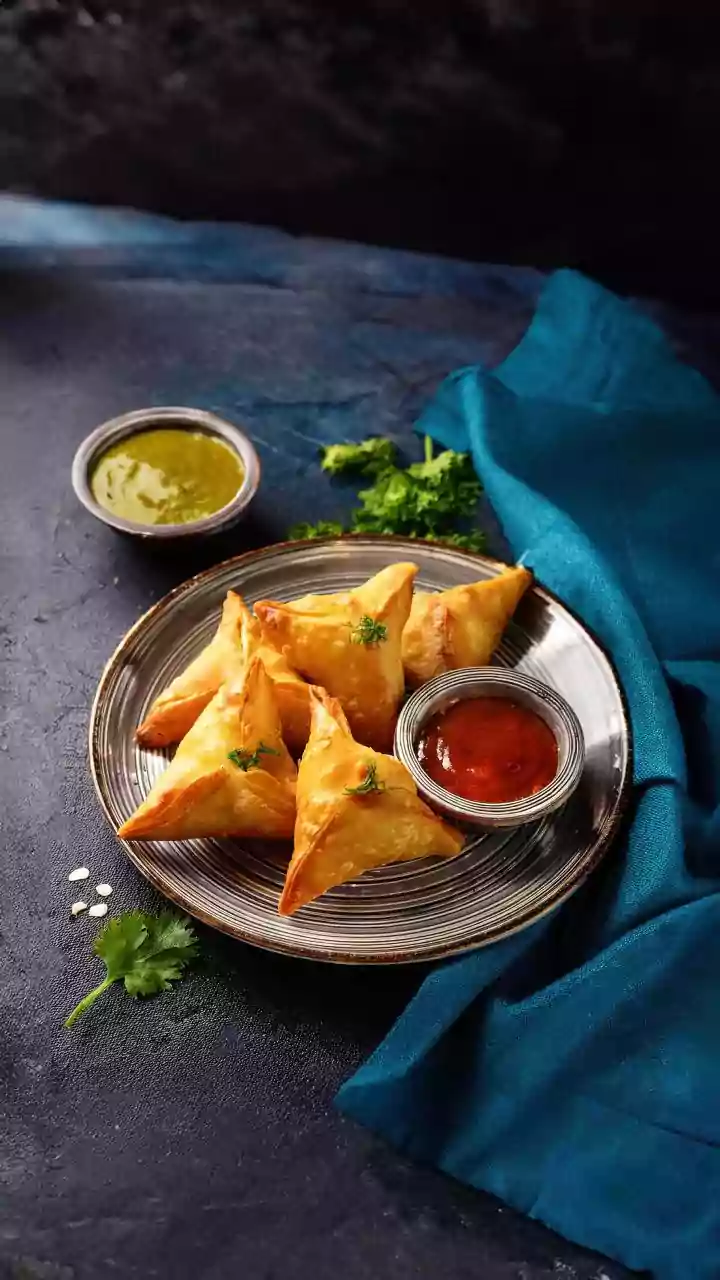
By the 19th and early 20th centuries, the samosa had firmly established itself as a quintessential street food across India. Its affordability, satisfying nature, and ease of preparation in large batches made it an ideal offering for bustling street vendors. It became a beloved accompaniment to the ubiquitous afternoon tea, often served piping hot with a variety of vibrant chutneys – from tangy tamarind to spicy mint – and alongside a steaming cup of chai. This widespread accessibility and cultural integration cemented the samosa's status as a national comfort food, a readily available treat enjoyed by people from all walks of life. Its presence on street corners and in local eateries became a defining characteristic of urban and rural Indian life.
Global Culinary Star
Today, the samosa's journey continues as it enjoys immense popularity on a global scale, celebrated with countless regional variations. From the robust Punjabi aloo samosa to innovative fillings like cheese, keema (minced meat), and even fusion concoctions, its adaptability knows no bounds. This beloved snack is no longer confined to Indian subcontinent; it's a familiar sight in restaurants, homes, and street stalls from London to New York, and beyond. The samosa has transcended its geographical origins to become a true international comfort food, a testament to its enduring appeal and the power of culinary exchange across cultures. Its simple yet satisfying form continues to bring joy to palates worldwide.