






Moisture Control is Key
Mould in your bathroom isn't just unsightly; it poses significant health risks, particularly for respiratory well-being. Experts stress that controlling
dampness is paramount, especially in older residences. While the immediate reaction to mould spots is often vigorous scrubbing with strong disinfectants, this addresses only the symptom, not the root cause. Mould thrives in humid conditions, and insufficient ventilation creates the perfect breeding ground for fungal spores. This pervasive issue extends beyond mere aesthetics, impacting occupants' health through respiratory irritation and the exacerbation of asthma symptoms. Therefore, effective mould prevention requires proactive strategies that go far beyond superficial cleaning, focusing on eliminating the moisture that mould organisms depend on for survival. Understanding this fundamental principle is the first step towards a healthier living space.
Absorbing Excess Dampness
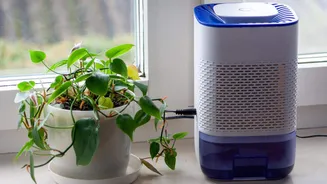
Effectively tackling mould means cutting off its primary food source: moisture. While open windows and exhaust fans are beneficial, their effectiveness diminishes in highly humid or coastal regions where outdoor moisture levels mirror those indoors. In such scenarios, specialized moisture-absorbing devices become indispensable. Extensive research indicates that mould growth is a complex interplay between individuals and their environment, demanding multifaceted solutions rather than quick fixes. This understanding underscores the necessity of a layered approach that directly targets dampness and promotes consistent cleanliness. For instance, incorporating a high-performance moisture absorber into a compact bathroom environment offers continuous protection against mould development, safeguarding surfaces and preventing that musty 'old bathroom' odour from clinging to fabrics. This proactive measure is particularly crucial in older buildings with poor natural ventilation, empowering you to manage your personal microclimate.
Safe Cleaning Practices
When tackling existing mould, the urge to grab the strongest bleach might be strong, but the cleaning methodology is as critical as the cleaning agent itself. Vigorous scrubbing can disturb mould spores, sending them airborne where they can be inhaled. Research highlights that while many individuals remember to wear protective gloves (around 76%), a significant number neglect essential respiratory protection like masks or respirators. This oversight is dangerous, as the combination of airborne mould spores and potent cleaning agent fumes, such as those from bleach, can severely irritate the lungs. Employing proper personal protective equipment is vital to ensure that in the process of eradicating mould colonies, your own health is not compromised. Prioritizing safety during cleaning not only removes visible mould but also prevents potential harm to yourself, contributing to a healthier home atmosphere.
Consistent Freshness Routine
To maintain a perpetually fresh and inviting bathroom atmosphere, consistent habits are key, steering clear of a perpetually damp and potentially hazardous environment. The primary step involves strategically placing moisture absorbers in areas prone to low ventilation, such as behind doors or in corners where dampness tends to accumulate. Secondly, establishing a regular cleaning regimen is essential. This includes frequently wiping down surfaces with effective and safe cleaning solutions. Crucially, this routine must incorporate the consistent use of hand and respiratory protection. By diligently following a consistent process for moisture elimination and maintaining cleanliness, you significantly enhance the air quality within your home, creating a more pleasant and healthier living space for everyone.