




Cultural Fusion Flourishes
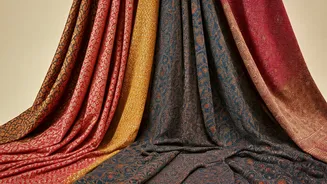
India's rich cultural tapestry continues to be a primary source of inspiration for fashion designers and consumers alike. Traditional textiles and crafts,
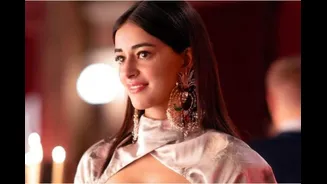
like Banarasi silk, intricate embroidery, and hand-woven fabrics, are being creatively reinterpreted. Modern silhouettes and contemporary designs are increasingly incorporating these classic elements, bridging the gap between heritage and modern aesthetics. This fusion reflects a broader societal trend of celebrating India's diverse cultural heritage while embracing global influences. Designers are also drawing inspiration from regional variations in clothing, incorporating distinct styles from different states and communities. This results in a vibrant and dynamic fashion ecosystem, offering a wide array of options that resonate with the diverse tastes of Indian consumers. The interplay of traditional and modern is particularly evident in festive wear, with designers crafting contemporary interpretations of classic garments such as sarees and lehengas.
Technological Advancements Impact
Technology is reshaping how fashion is created, marketed, and consumed in India. E-commerce platforms and social media have democratized access to fashion, allowing consumers across the country to discover and purchase the latest trends. Virtual try-on technologies and augmented reality experiences are also enhancing the shopping experience, providing shoppers with ways to visualize themselves in different outfits before making a purchase. Sustainability, an increasingly important consideration for consumers, is also being influenced by technology. Innovations in fabric production, such as the use of recycled materials and water-efficient dyeing processes, are gaining traction. Furthermore, digital design tools and 3D printing are enabling designers to create and prototype garments more efficiently. These technological advancements are not only transforming the industry but are also making it more sustainable and accessible.
Global Trends Influence
The global fashion landscape significantly influences Indian styles. International trends, such as minimalist aesthetics, athleisure wear, and sustainable fashion practices, are making their mark in India. International brands are expanding their presence in the Indian market, further exposing consumers to global styles. Simultaneously, Indian designers are gaining recognition on the international stage, showcasing their unique perspectives and influencing global fashion. The exchange of ideas, trends, and techniques between Indian and international fashion communities is accelerating the pace of change within the industry. This global influence is evident in the prevalence of Western-style clothing in urban areas. However, Indian fashion retains its distinctiveness through the integration of local elements, reflecting a balanced approach to global and local influences. This mix offers a diverse range of styles that appeal to the varied preferences of the Indian consumer.
Sustainable Fashion's Rise
Sustainability is becoming an increasingly important factor in the Indian fashion industry. Consumers are more conscious about the environmental and social impacts of their choices. This shift in consciousness has led to a growing demand for eco-friendly clothing, made from organic materials, recycled fabrics, and sustainable production processes. Many Indian designers and brands are adopting sustainable practices, emphasizing transparency in their supply chains. The concept of slow fashion, focusing on quality, durability, and ethical production, is gaining popularity. Initiatives to reduce waste, such as upcycling and garment recycling programs, are also being promoted. The focus on sustainability reflects a broader trend towards responsible consumption and a desire for fashion that is both stylish and environmentally conscious, contributing to a more conscientious and ethical fashion ecosystem in India.
Street Style Evolves
Street style in India is constantly evolving, mirroring the dynamism and diversity of the country. This evolution is driven by various factors, including the influence of social media, Bollywood, and the growing number of young, fashion-conscious individuals. Street style now serves as a platform for expressing individuality, mixing high-end fashion with affordable pieces and incorporating local elements. Trends like oversized silhouettes, streetwear-inspired designs, and bold graphics have gained popularity. The influence of regional styles is also visible, with people in different cities expressing their unique fashion preferences. This creates a vibrant mix of styles, reflecting India's cultural mosaic. Furthermore, collaborations between local designers and brands are contributing to the growth of unique and diverse street fashion options, catering to the varied tastes and preferences of the Indian population.