
Unveiling Unique Flora
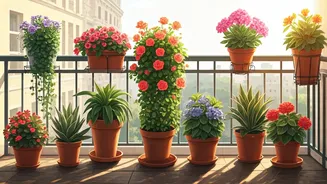
Balcony gardens offer a fantastic opportunity for individuals residing in urban environments to connect with nature by incorporating distinctive plants.
These plants not only introduce greenery to confined spaces but also enhance the aesthetic appeal of living areas. Choosing unusual plants over common ones enables balcony gardeners to curate unique, visually captivating environments. The selection of plants should prioritize those that thrive in pots and adapt to varying sunlight conditions. Furthermore, gardeners need to consider the level of maintenance each plant demands, accounting for watering frequency, pruning needs, and potential disease resistance. Selecting the right plants can turn a simple balcony into an eye-catching green haven, demonstrating that beauty and biodiversity can coexist even in the smallest of spaces.
The Venus Slipper
The Venus Slipper, scientifically known as Paphiopedilum, is an orchid recognized for its striking, slipper-shaped pouch. It originates from Southeast Asia and can thrive on balconies when proper care is given. This orchid prefers shaded areas and consistent humidity, making it ideal for balconies that receive indirect sunlight. Cultivating a Venus Slipper involves using an appropriate potting mix, such as a blend of bark and perlite, to ensure good drainage. Regular watering is crucial, although overwatering should be avoided. The unique form and vibrant colors of the Venus Slipper make it a standout choice, providing a touch of exotic elegance to any balcony garden. Moreover, its relatively low maintenance contributes to its appeal among urban gardeners looking for unique yet manageable plants.
Air Plants' Charm
Air plants, or Tillandsia, are epiphytes that do not need soil to survive, deriving nutrients from the air. Their adaptability makes them an excellent choice for balcony gardens. These plants exhibit a variety of shapes and sizes, providing visual diversity. Care for air plants is straightforward, which involves periodic soaking or misting. These plants should be placed in well-ventilated areas, away from direct sunlight, for optimal growth. The unique aesthetic and ease of care make air plants an attractive option. They can be displayed in various ways, such as hanging them from structures or securing them in decorative containers, adding a contemporary touch to balcony gardens. Furthermore, their resilience to pests and diseases enhances their suitability for urban environments.
The Miniature Rose
Miniature roses offer the charm of traditional roses in a compact form, ideal for balcony gardens. These roses come in a range of colors and bloom throughout the growing season, bringing continuous beauty. They typically need at least six hours of sunlight each day and require well-draining soil. Regular pruning is necessary to maintain their shape and encourage more blooms. Watering should be done at the base of the plant to avoid fungal diseases. Miniature roses can thrive in pots, adding a classic touch to balconies. These plants enhance the aesthetic appeal while providing fragrance and visual interest. Their manageable size and relatively simple care requirements make them a rewarding addition to urban gardening spaces.
Succulents' Simplicity
Succulents, including sedums and sempervivums, are low-maintenance plants known for their drought tolerance, making them perfect for balconies. These plants store water in their leaves, making them resilient in dry conditions. Succulents require well-draining soil and plenty of sunlight, ideally six or more hours per day. Watering should be infrequent, allowing the soil to dry out between waterings to prevent root rot. The variety in color and texture of succulents offers exciting possibilities for creating attractive arrangements in containers. Their adaptability and ability to withstand neglect make succulents suitable for balcony gardens. Succulents provide an effortless means to introduce green elements to urban living spaces.
The Dwarf Citrus
Dwarf citrus trees, such as lemons and limes, can thrive in pots on balconies, bringing both beauty and utility to the urban garden. These trees need plenty of sunlight, at least six to eight hours each day, and require well-draining soil. Regular watering, especially during the fruiting season, is essential, and fertilizing during the growing season supports healthy growth. Pruning helps to manage the tree’s size and encourages fruit production. Dwarf citrus trees provide fragrant blossoms and edible fruits. These trees offer a touch of the tropics to balcony spaces. Growing dwarf citrus enables individuals to cultivate their own food sources within the confines of their homes.
Herbs' Fresh Touch
Growing herbs is an excellent way to introduce fragrance and flavor to a balcony garden. Herbs like basil, mint, and rosemary are relatively easy to grow in containers. They generally need at least six hours of sunlight and well-draining soil. Regular harvesting encourages new growth and maintains the plants' health. Watering should be done moderately, ensuring the soil doesn’t become waterlogged. Herbs provide fresh ingredients for cooking and add a sensory dimension to the balcony space with their scent and touch. Growing herbs also serves as a rewarding activity. This promotes a closer connection with the natural environment.