







Respecting Animal Boundaries
The recent unfortunate incident at Karnataka's Dubare Elephant Camp, where a tourist tragically lost her life, highlights a critical aspect of wildlife
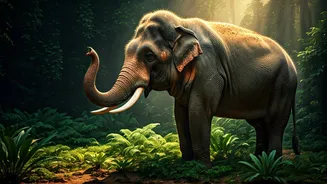
tourism: maintaining a safe distance. It's vital to remember that even animals accustomed to human presence, such as the elephants at the camp, can behave unpredictably. Tourists often err by assuming familiarity breeds tameness, leading them to approach animals for photographs or closer interactions. This proximity can inadvertently trigger defensive or aggressive responses from the animals, especially if they perceive a threat, feel stressed, or are startled. Therefore, a fundamental rule for any wildlife encounter, whether in safaris, sanctuaries, or natural reserves, is to never approach animals for the sake of a picture or a more intimate experience. Their trained or domesticated nature does not negate their inherent wild instincts, and they can react with surprising force when their personal space is invaded or they feel challenged.
Adhering to Designated Areas
Wildlife tourism zones, including national parks and elephant camps like Dubare, implement specific viewing restrictions and designated areas for very good reasons. These guidelines are meticulously established by experienced forest officials, wildlife experts, and guides who possess a deep understanding of animal behavior patterns and the potential risks involved. Ignoring these instructions, venturing beyond permitted viewing points, or attempting to get closer to animals for a better photograph can rapidly escalate from a minor infraction to a dangerous situation. These designated zones are designed not only to protect the wildlife from disturbance but also to ensure visitor safety by maintaining a buffer zone. Respecting these boundaries is a sign of acknowledging the expertise of those managing the wildlife and a crucial step in preventing incidents that could harm both people and animals.
Minimizing Sensory Disturbance
Animals possess highly sensitive sensory organs and can be easily agitated by unexpected stimuli. Loud noises, sudden movements, and the intense flash of cameras can significantly disturb wildlife, particularly when multiple individuals are present in the vicinity. Shouting, running, or employing flash photography can create an environment of stress and unpredictability, especially when several animals are housed together, as was the case during the unfortunate incident at Dubare. This heightened sensitivity means that even seemingly innocuous actions by a crowd of tourists can provoke an adverse reaction from the animals. Maintaining a quiet demeanor and avoiding abrupt actions are essential practices to ensure that your presence does not inadvertently cause distress or trigger aggressive behavior in the wildlife you are observing.
No Unsupervised Feeding
Feeding wild or domesticated animals outside of officially supervised programs can have serious and dangerous consequences. While it might appear as a harmless act of kindness, it can fundamentally alter an animal's behavior, fostering dependency and leading to potentially hazardous interactions with humans. Animals that become accustomed to receiving food from crowds may exhibit aggressive tendencies, associating people with sustenance and becoming bolder in their demands. At regulated wildlife sites, feeding is strictly controlled and conducted only by professionals who are fully aware of the associated risks. Tourists should refrain from carrying food into wildlife areas unless explicitly permitted, as unsolicited feeding can disrupt natural feeding patterns and create dangerous scenarios where animals might become overly accustomed to, and demanding of, human interaction.
Wildlife Tourism Realities
A pervasive misconception surrounding wildlife tourism, including experiences at camps and safaris, is that animals are entirely predictable due to their exposure to humans. This notion is fundamentally flawed. Regardless of their training or familiarity with people, animals like elephants, big cats, and other wildlife will invariably operate based on their innate instincts. Therefore, it is crucial to approach all wildlife encounters with a mindset of caution and realism. Wildlife tourism should not be viewed as a form of controlled entertainment where animals are merely performers. Instead, it should be recognized as an opportunity to observe and appreciate animals in environments that, while managed, still retain the inherent unpredictability of the wild. A mindful and respectful approach is paramount to ensuring safe and meaningful interactions.