



Madras Checks Return
The distinct and lively Madras checks, once a familiar sight in casual summer wardrobes, are now making a strong comeback. These vibrant, interlocking
patterns are adorning contemporary fashion pieces such as stylish shirts, elegant dresses, and coordinated sets, offering a fresh, modern interpretation of this classic design. The resurgence of Madras checks highlights their enduring appeal, proving that traditional patterns can seamlessly integrate into current fashion trends, bringing a touch of nostalgic vibrancy to everyday wear with a renewed sense of style and sophistication.
Ajrakh's Intricate Charm
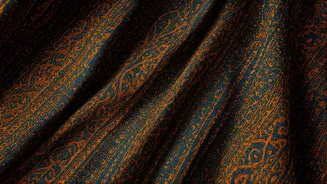
Ajrakh, celebrated for its complex geometric motifs and a rich color palette dominated by deep indigos and warm reds, is experiencing a significant revival. This ancient block-printing technique is now a prominent feature in both traditional Indian attire and contemporary fusion wear. Its detailed patterns and natural dye-based colors offer a unique aesthetic that appeals to a wide range of fashion preferences. The enduring popularity of Ajrakh lies in its intricate artistry and its adaptability, allowing it to transcend cultural boundaries and become a sought-after element in modern wardrobes seeking a touch of heritage craftsmanship.
Bagru's Earthy Revival
The Bagru print, characterized by its natural dyes and earthy color tones, is re-emerging as a significant trend, particularly within the sustainable fashion movement. This traditional block-printing method utilizes natural pigments, resulting in prints that are both visually appealing and environmentally conscious. Its return signifies a growing consumer preference for eco-friendly materials and artisanal craftsmanship. Bagru prints are being incorporated into a variety of garments, appealing to those who value authenticity and a connection to nature in their clothing choices, making it a symbol of conscious consumption in the fashion world.
Dabu's Rustic Appeal
Dabu print, a unique resist-dyeing technique from Rajasthan, is gaining traction for its rustic charm and distinctive textured appearance. This method involves using a mud-based resist paste to create patterns, resulting in a subtly imperfect yet captivating look. Dabu prints are becoming increasingly popular in minimalist and eco-conscious fashion circles, appealing to consumers who appreciate understated elegance and natural aesthetics. Its revival underscores a desire for textiles that are not only visually appealing but also produced with mindful practices, making it a key element in the landscape of sustainable and slow fashion.
Ikat's Bold Patterns
The striking and often blurred patterns of Ikat weaving are making a significant impact across the fashion spectrum. This intricate textile art, known for its pre-dyeing of threads before weaving, creates distinctive, sometimes hazy, designs. From the traditional elegance of sarees to the casual cool of contemporary streetwear, Ikat is being embraced for its bold visual statement. Its adaptability and unique aesthetic ensure its place as a favored pattern, blending the richness of heritage craftsmanship with the dynamism of modern fashion trends, offering a visually captivating experience.
Kalamkari's Artistry
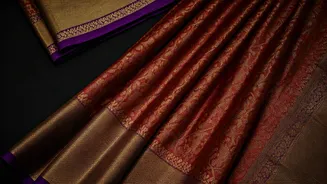
Kalamkari, a time-honored art form that adorns fabric with intricate hand-painted or block-printed designs, rich with mythological narratives and detailed motifs, is experiencing a modern renaissance. Traditionally used in sarees and other Indian garments, designers are now creatively reimagining Kalamkari artistry in contemporary silhouettes. This includes stylish jackets, modern drapes, and updated saree designs, infusing traditional storytelling with current fashion sensibilities. The enduring appeal of Kalamkari lies in its storytelling aspect and its meticulous craftsmanship, making it a highly sought-after textile that bridges the gap between ancient art and modern style.