



Skin Deep Differences
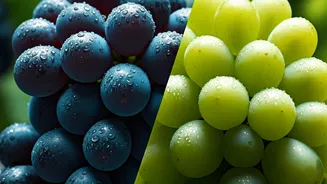
The primary distinction between green and black grapes lies within their skins. Black grapes boast dark pigments known as anthocyanins, a powerful class
of antioxidants also present in foods like blueberries and purple cabbage. These compounds help plants protect themselves from environmental stressors, and scientific inquiry suggests they may offer similar protective benefits for the human body. Green grapes do contain antioxidants, but they possess lower levels of anthocyanins due to the absence of this deeper pigmentation. Both grape varieties are rich sources of beneficial plant compounds, including resveratrol, flavonoids, and polyphenols, which research indicates can help mitigate oxidative stress and inflammation within the body. Specifically, black grapes are recognized for their abundance in anthocyanins, resveratrol, quercetin, and polyphenols, while green grapes offer flavanols, Vitamin C, Vitamin K, and hydrating natural sugars. The darker skin of black grapes acts as a rich reservoir of these bioactive compounds, often associated with enhanced heart and brain health.
Antioxidant Showdown
When the spotlight is exclusively on antioxidants, black grapes emerge as the clear frontrunner. Their superior concentration of anthocyanins and resveratrol, as indicated by current scientific studies, grants them a stronger antioxidant capacity. However, a truly healthy diet is rarely dictated by a single nutrient. Green grapes, despite their lower anthocyanin content, remain a refreshing, nutritious, and beneficial fruit in their own right, offering a distinct set of advantages. They are often mistakenly perceived as a 'lighter' option with fewer health advantages, but this is an oversimplification. Green grapes are packed with essential nutrients and offer unique benefits that make them a valuable addition to any diet, proving that nutritional value is multifaceted.
Green Grapes' Virtues
Green grapes are frequently and unfairly relegated to the status of a 'lighter' choice with diminished benefits. In reality, they are nutrient-dense fruits possessing several distinct advantages. Their satisfying crisp texture and subtly tart flavour make them an appealing choice for regular consumption. Given that dietary health is significantly influenced by consistency, the fact that people enjoy eating them more often is a crucial factor that surpasses the pursuit of absolute nutritional perfection. Green grapes contribute significantly to hydration due to their high water content, provide Vitamin C essential for immune system support, and supply Vitamin K vital for bone health. They also offer moderate amounts of copper and potassium, and their natural fruit sugars provide a quick source of energy. Furthermore, some individuals find green grapes gentler on their digestive systems compared to darker, sweeter varieties. Athletes and active people often favour them as a quick, light pre-workout snack.
The Sugar Context
Grapes often face criticism on social media for being excessively sugary, a claim that overlooks a crucial nutritional reality. While grapes do contain natural sugars, they are also delivered alongside water, fibre, vitamins, and antioxidants. This complete package significantly alters how the body processes these sugars, differentiating them from refined sugars found in desserts or processed snacks. A standard cup of grapes typically contains between 15 to 23 grams of natural sugar, with the exact amount varying based on the grape variety and its ripeness; black grapes may taste sweeter, but the difference is generally not substantial. Nutritionists generally advocate for consuming whole grapes over grape juice because the fibre content effectively slows down sugar absorption into the bloodstream. For individuals managing conditions like diabetes or insulin resistance, mindful portion control remains paramount. Pairing grapes with protein-rich foods, such as nuts or yogurt, can help achieve a more balanced blood sugar response compared to consuming large quantities of grapes in isolation.
Antioxidants: Where They Reside
While many wellness fads exaggerate antioxidant claims, grapes stand out as one of the few fruits with extensive research backing their benefits. Studies disseminated through platforms like the National Library of Medicine have consistently indicated that darker grape varieties generally exhibit higher antioxidant activity due to their concentrated anthocyanin levels. Resveratrol, a compound frequently highlighted for its health potential, is found in greater quantities within the skins and flesh of darker grapes. Scientists are actively investigating its role in supporting cardiovascular health, promoting healthy aging, and managing inflammation. It is important to note, however, that researchers caution against viewing grapes as miracle foods, and many of these findings are still undergoing rigorous human trials. An often-overlooked detail in popular health discussions is that the majority of these beneficial antioxidants are located in the grape skin and seeds. Therefore, while thorough washing is essential, peeling grapes significantly reduces their nutritional potency.
Choosing Your Grape
While a bowl of grapes typically doesn't spark heated debate, nutritionists have long pondered a key question: are black grapes inherently healthier than green grapes, or is it simply a matter of taste? Both varieties deliver essential vitamins, hydration, and beneficial plant compounds that contribute to well-being in various ways. However, when the conversation shifts to antioxidants, black grapes generally take the lead. Their rich, deep colour is a direct indicator of anthocyanins and other polyphenols strongly linked to cardiovascular health, reduced oxidative stress, and cellular protection. Nevertheless, green grapes are far from being 'less healthy'; they possess their own unique strengths, particularly concerning their refreshing quality, perceived lighter sugar content, and ease of digestion. The reality is more nuanced than a simple comparison of winners and losers. For maximizing antioxidant intake, black grapes are a prime choice. For a lighter flavour profile and superior hydration, green grapes excel. Ultimately, rotating both varieties offers a diverse range of nutrients and a comprehensive approach to reaping the full benefits grapes have to offer. The healthiest fruit is often the one that is consumed regularly, rather than one that remains uneaten.