






Fatty Fish Power
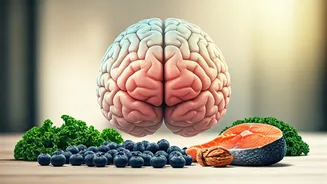
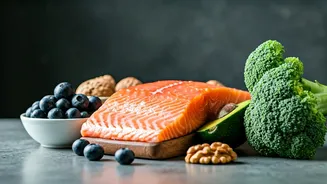
For a sharp and healthy brain, incorporating fatty fish into your diet is paramount. These aquatic powerhouses are brimming with omega-3 fatty acids, crucial
healthy fats renowned for their potent anti-inflammatory capabilities. Think of fish like salmon, grouper, and halibut as prime examples. The neurologist specifically advises opting for wild-caught varieties whenever possible, as they often boast superior nutritional profiles compared to their farm-raised counterparts. Farmed fish can sometimes be exposed to less desirable feed, potentially diminishing their health benefits. Aim to enjoy your fish as fresh and wild as you can find it to maximize the intake of these brain-nourishing nutrients.
Leafy Greens Advantage
Embrace the vibrant goodness of leafy greens for both your body and your brain. Instead of relying on expensive supplements, make it a habit to regularly include these nutritional powerhouses in your meals. Leafy greens are excellent sources of vital nutrients such as fiber, folate, lutein, and beta-carotene, all of which contribute to cognitive well-being. Some top choices highlighted by the neurologist include bok choy, asparagus, and broccolini. To get the most nutritional bang for your buck, prepare them by steaming, blanching, or sautéing. A simple preparation with olive oil, a touch of salt, and roasted garlic can elevate their flavor and health benefits. Remember to add the salt towards the end of cooking. Asparagus, though not typically leafy, is praised for its quick cooking time and high fiber content, which is essential for maintaining a healthy gut microbiome—a key factor positively influencing brain function.
Tomato Antioxidant Boost
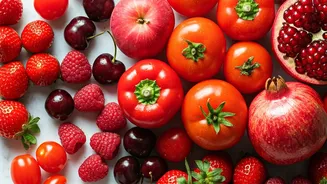
Give tomatoes the attention they deserve, as they are a fantastic fruit for your brain. These red gems are packed with lycopene, a potent antioxidant closely related to beta-carotene. Think of antioxidants as your body's vigilant defenders, actively combating inflammation and oxidative stress, thereby playing a crucial role in preventing neurodegenerative processes. The neurologist particularly enjoys larger grape tomatoes or mandarin-sized tomato medleys due to their remarkable versatility. They can be effortlessly incorporated into salads, stewed into quick sauces for fish or chicken, or even enjoyed as a delightful appetizer with mozzarella, basil, and olive oil.
Walnuts and Berries
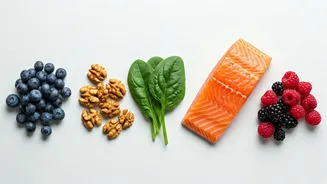
Swap out those unhealthy afternoon snacks for a satisfying handful of walnuts and berries. Walnuts stand out as one of the most beneficial foods for brain health, boasting the highest ratio of beneficial omega-3 'good' fats to omega-6 'bad' fats among nuts. For a morning pick-me-up, the neurologist suggests including blueberries, which are abundant in flavonoids. These compounds act as powerful antioxidants and anti-inflammatory agents, helping to mitigate the detrimental effects of stress on the brain. An ideal way to integrate both walnuts and berries into your diet is through a hearty breakfast. Consider preparing overnight steel-cut oats (not rolled oats) and topping them with fresh berries and walnuts. A touch of honey or maple syrup is perfectly acceptable, and a pinch of salt can enhance the overall flavor of the oats.
Coffee and Tea Benefits
Your daily cup of coffee or tea might be doing more for your brain than you realize. The neurologist himself opts for tea almost every day, recognizing teas as a superb source of phytonutrients derived from dried whole plants. These compounds can significantly support brain metabolism. Coffee beans, essentially dried and roasted berries, also offer substantial benefits. Both beverages are rich in flavonoids, which have been linked to improved glycemic control. Furthermore, the caffeine content in coffee and tea can enhance concentration and potentially reduce the risk of dementia. However, it's essential to consume caffeine in moderation to reap its full advantages without adverse effects.