


The Token Anxiety Phenomenon
Andrej Karpathy, a prominent figure formerly leading AI at Tesla and a co-founder of OpenAI, has revealed a novel source of personal unease: the underutilization
of allocated AI tokens. This feeling, he likens to the anxiety experienced during his doctoral studies when expensive GPU hardware sat idle between experimental runs. Back then, the concern was about computational power not being fully leveraged; today, the equivalent pressure stems from not maximizing the usage of digital tokens, which are the fundamental units for interacting with advanced AI models. Karpathy articulates this as a distinct form of nervousness when a subscription's full token allowance isn't consumed, indicating a perceived failure to achieve peak throughput from the AI services he employs. This perspective highlights a significant evolution in how AI efficiency is being measured and internalized by leading technologists.
Strategic Tool Switching
To combat this 'token anxiety,' Karpathy has adopted a practical and dynamic strategy: fluidly transitioning between different AI platforms. His approach involves monitoring token quotas across various services, such as Codex and Claude, and moving his workload to an alternative as one nears its limit. This method is more than just a workaround; it signifies a deep integration of token consumption as a critical performance metric, akin to how a professional athlete meticulously tracks their repetitions or a financial trader closely manages their market positions. This deliberate management of AI resource usage underscores a serious commitment to extracting maximum value and efficiency from these powerful tools, reflecting a mindset shift from mere exploration to performance optimization.
From Overwhelmed to Offensive
This current focus on maximizing token usage presents a striking contrast to Karpathy's sentiments expressed just a few months prior. In December, he famously articulated feeling 'behind as a programmer,' describing the AI landscape as a 'magnitude 9 earthquake' and AI tools as potent, manual-less 'alien technology.' This earlier statement had resonated widely, prompting concern about the capabilities of even seasoned professionals in the face of rapid AI advancements. However, the emergence of his 'token anxiety' flips this narrative. He is no longer primarily concerned with what he might be missing out on but rather with ensuring that the powerful AI capabilities he has access to are being fully and efficiently deployed, marking a proactive and aggressive stance in leveraging AI technology.
Industry Implications and Future Calculus
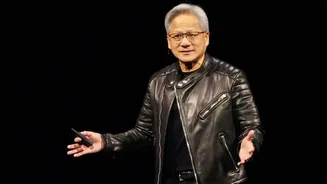
Karpathy's perspective on AI token efficiency isn't an isolated viewpoint; it appears to be part of a broader industry shift. The expectation from influential figures, such as Nvidia CEO Jensen Huang, suggests a future where significant portions of high engineer salaries might be allocated towards AI token expenditure. This implies a new paradigm in the tech industry, where the intensity of an individual's AI resource utilization is becoming as significant a measure of productivity and commitment as their direct work effort. This evolving calculus indicates that mastering the efficient deployment of AI tools is rapidly becoming a crucial skill, potentially redefining what it means to be a top performer in the technological sphere.