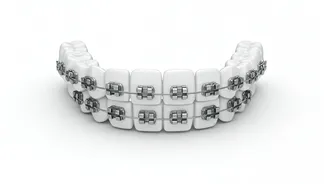







Braces & Hygiene: Why?
Braces, while transformative, create unique challenges for maintaining oral hygiene. The brackets and wires provide numerous crevices where food particles
and plaque can accumulate, making it harder to clean the teeth effectively. This accumulation, if left unchecked, can lead to several oral health problems. Cavities are a major concern, as the trapped food feeds bacteria, producing acids that erode tooth enamel. Another significant risk is gum disease, which can cause inflammation, bleeding, and even tooth loss if not addressed. Proper oral hygiene is therefore not merely cosmetic; it is fundamentally important to the overall success of the orthodontic treatment, allowing the teeth to move as planned and ensuring a healthy, confident smile post-treatment. Moreover, good habits established during brace wear often translate into improved long-term oral health.
Challenges & Issues Explained
People with braces often grapple with specific challenges. One of the primary difficulties stems from the increased surface area created by the brackets and wires, which traps food debris more easily. Areas that are normally easily accessible, become difficult to clean. This can cause the formation of plaque and tartar, which not only causes cavities but also lead to inflammation of the gums. Additionally, the constant pressure exerted by braces can sometimes make the gums more sensitive and prone to inflammation. Decalcification, or the loss of minerals from the enamel, is another problem that can occur. White spot lesions, which appear as chalky white marks on the teeth, are a clear indication of this mineral loss due to the prolonged exposure to acids produced by bacteria. Addressing these challenges through consistent and thorough oral hygiene is very important.
Brushing Techniques: The Key
Effective brushing is the foundation of good oral hygiene for brace wearers. It is recommended to brush your teeth at least twice a day, or preferably after every meal. The brushing technique needs to be modified to account for the braces. Start by angling the toothbrush at a 45-degree angle towards the gumline to clean along the edges. Then, place the bristles above and below the brackets and gently brush around each bracket. Be sure to brush each tooth individually, taking your time to ensure all surfaces are clean. Use small, circular motions, making sure to reach every area of every tooth. A soft-bristled toothbrush is recommended as it's gentler on gums and braces. Replace your toothbrush every three months, or sooner if the bristles start to fray. Electric toothbrushes are also really helpful, as they come with different settings and brush heads designed for braces, to provide a more thorough and effective clean.
Flossing: An Essential Step
Flossing is very important in maintaining good oral hygiene, but with braces, it becomes more challenging. Floss threaders or interdental brushes are valuable tools. A floss threader is a small, flexible device that helps guide the floss under the wire of the braces, making it easier to reach between the teeth. Alternatively, interdental brushes, which are small brushes, can be used to clean between the teeth and around the brackets. Regardless of which method is used, it’s vital to floss at least once daily, preferably at night, to remove food particles and plaque from areas a toothbrush cannot reach. Gently slide the floss between the teeth and move it up and down, making sure to clean the sides of each tooth. For those who find regular flossing very difficult, water flossers can also be used as they can help flush out debris and keep gums healthy. Consistent flossing helps prevent both cavities and gum disease.
Dietary Considerations: What Matters
What you eat can significantly impact oral health. Sticky, sugary foods can get trapped in and around the braces, feeding bacteria and increasing the risk of cavities. Try to limit consumption of these types of foods, such as candies, chewy sweets, and sugary drinks. Hard foods such as nuts and popcorn, can damage the braces, causing brackets to break. Cut hard fruits and vegetables into smaller pieces. A balanced diet rich in fruits, vegetables, and whole grains is essential for the overall health and the teeth. Drinking plenty of water helps wash away food particles and keeps the mouth hydrated. Avoid excessive snacking, and consider chewing sugar-free gum after meals, as it can help stimulate saliva production, which helps to neutralize acids and wash away food particles.
Professional Care: Regular Checkups
While daily oral hygiene is crucial, regular dental check-ups are also required. Schedule dental appointments every six months, or as recommended by your dentist or orthodontist. The dentist can examine your teeth and gums for any signs of problems. They can also provide a professional cleaning to remove plaque and tartar that is hard to reach with a toothbrush and floss. The dentist may also provide personalized advice and guidance on maintaining your oral hygiene. During these appointments, the dentist may also apply fluoride treatments, which strengthen the enamel and protect against cavities. Consistent check-ups ensure early detection and treatment of potential issues. They also help monitor the progress of your orthodontic treatment.
Emergency Situations: Addressing Issues
Even with meticulous care, problems can arise. If a bracket breaks or a wire comes loose, it is important to contact your orthodontist immediately. Do not attempt to fix the problem yourself. Until you can see your orthodontist, you can use orthodontic wax to cover any sharp edges or protruding wires to prevent irritation. In the event of mouth sores or irritation, rinsing with warm salt water can help promote healing and relieve discomfort. For any pain or inflammation, over-the-counter pain relievers can be used. If experiencing a dental emergency, such as a severe toothache, it’s important to seek professional help from your dentist. Prompt attention to any issues ensures that your orthodontic treatment progresses smoothly and that your oral health remains at its best.
Long-Term Benefits: Beyond Braces
The good habits practiced during brace wear extend beyond the period of orthodontic treatment, having a lasting impact on oral health. Consistent brushing, flossing, and a healthy diet become integral parts of a lifelong routine. The knowledge and discipline gained during this time helps prevent cavities, gum disease, and other dental problems in the long run. By prioritizing oral hygiene, you invest in a healthy, confident smile for years. The skills learned while wearing braces will support your teeth for a lifetime, helping prevent costly dental procedures and promoting overall well-being. Good oral hygiene habits are connected to overall health. For example, maintaining good oral hygiene can reduce the risk of other health problems, such as heart disease and diabetes.