




Summer's Toll on Hair
Indian summers, often exceeding 40 degrees Celsius, present a harsh environment for hair. The intense heat triggers increased sweat and oil production
on the scalp, which, when combined with dirt, pollution, and accumulated hair products, can lead to scalp irritation and weakened hair roots. This exacerbates existing issues like dandruff. Furthermore, strong ultraviolet radiation from the sun dries out hair strands, damaging their protective outer cuticle. This moisture loss is accelerated by frequent outdoor exposure, travel, and excessive hair washing. Adding to the problem are factors like hard water, chlorine in swimming pools, the practice of tying wet hair tightly, heat styling, dehydration, and restrictive dieting, all contributing to hair fall. Understanding that summer hair fall is a multifaceted issue affecting both the scalp and hair texture is crucial for effective management.
The Role of Hair Oil
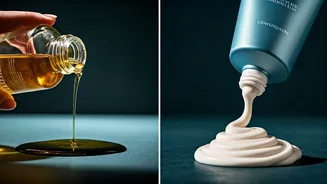
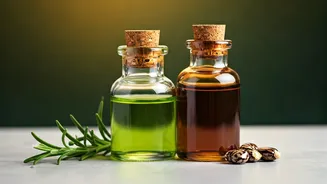
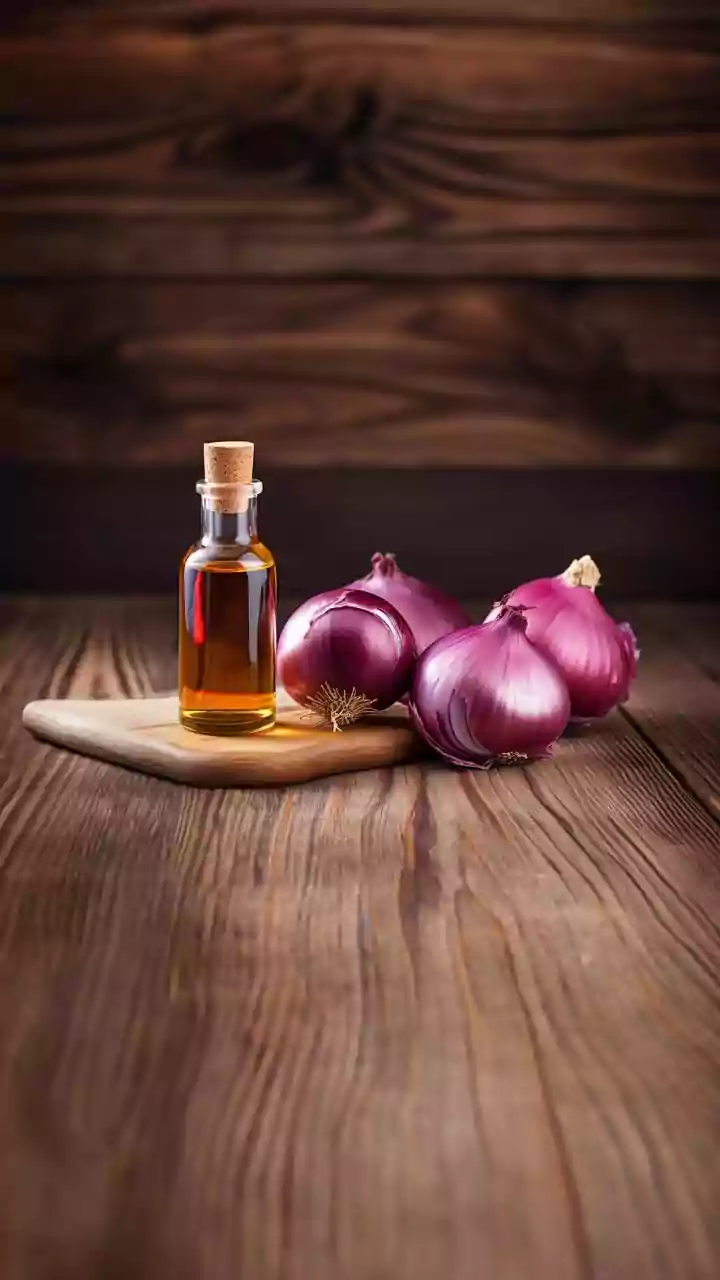
In Indian culture, hair oiling is deeply ingrained, often associated with nurturing care. When performed correctly, oils contribute significantly to scalp health and hair vitality. Primarily, they nourish the scalp, enhance blood circulation through gentle massage, alleviate dryness, and help prevent protein loss from the hair shaft. Certain oils also possess anti-inflammatory properties that support robust hair roots. Coconut oil, a favourite in India, is particularly effective as it penetrates the hair shaft well, mitigating protein damage and making dry, weakened hair feel softer and stronger after a pre-wash application. Other beneficial oils include bhringraj, rosemary, almond, and onion oil, each offering unique advantages for hair fall concerns. However, the misconception that more oil equates to less hair fall is detrimental. Over-oiling in summer can lead to clogged pores, increased dirt and sweat accumulation, aggravated dandruff, and an excessively greasy scalp. Leaving heavy oils on the scalp overnight during peak humidity can be counterproductive for many, potentially causing irritation. Dermatologists now advocate for lighter, shorter oiling sessions, with a 30-45 minute massage before shampooing typically being sufficient for most individuals.
Conditioner's Strand Protection
Conditioner operates on a fundamentally different principle than hair oil, focusing its benefits on the hair strands rather than the scalp and roots. The intense summer heat causes the outermost layer of the hair cuticle to lift, resulting in rough, dry, tangled hair that is more susceptible to breakage. Many individuals mistakingly identify this breakage as hair fall. Conditioners work by smoothing this damaged cuticle layer, effectively sealing in moisture, reducing frizz, softening the hair, and making the strands less prone to snapping, especially during combing. Given the necessity for frequent shampooing in summer due to sweat, conditioning becomes an indispensable step in maintaining hair health. A common myth suggests that conditioner increases hair fall due to loose strands observed during rinsing; however, these strands were typically already detached before conditioning. In essence, conditioner helps prevent further, unnecessary breakage. Skipping conditioner after shampooing in summer can leave hair brittle, a condition particularly pronounced in curly, chemically treated, coloured, or wavy hair, as well as long hair frequently exposed to the sun.
Synergy for Healthy Hair
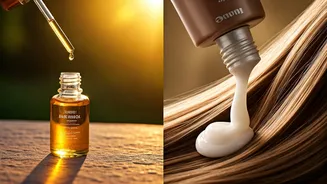
Neither hair oil nor conditioner independently provides a magical solution for hair fall; they address distinct issues. Hair oil primarily supports the health of the scalp and roots, while conditioner protects the length and texture of the hair strands. If your primary concern is a dry, flaky, itchy, or irritated scalp, a light application of hair oil might offer more relief. Conversely, if your hair feels rough, frequently tangles, breaks easily, or snaps during combing, conditioner likely plays a more critical role. For the majority of individuals experiencing summer hair fall, a balanced approach incorporating both is necessary, but moderation is key. Overdoing either can lead to adverse effects. The goal is to create a routine that uses each product appropriately for its intended purpose, ensuring the scalp is nourished and the hair strands are protected from damage and dryness.
An Ideal Summer Routine
Maintaining healthy hair during the Indian summer doesn't necessitate complex regimens, expensive treatments, or trendy hacks. Consistency is paramount, focusing on a clean scalp, adequate moisture, minimal heat damage, good nutrition, and a routine tailored to the prevailing weather. The effective approach to summer hair fall lies in balance, not extremes. A practical routine includes light oiling once or twice weekly, gentle shampoos suited to your scalp type, conditioning after every wash, avoidance of excessive heat styling, protection from harsh sun exposure, sufficient hydration, and a diet rich in protein and iron. Internal health significantly impacts hair. Low iron levels, crash dieting, stress, poor sleep, and dehydration are major contributors to hair fall that no topical treatment can fully counteract. When selecting oils, coconut oil is good for dry hair, rosemary stimulates the scalp, bhringraj aids strengthening, almond oil benefits dry ends, and argan oil controls frizz; lighter oils are often preferable in humid climates. For conditioners, lightweight, hydrating formulas with ingredients like keratin, argan oil, shea butter, coconut milk, hyaluronic acid, or aloe vera are ideal. Crucially, avoid applying conditioner directly to the scalp unless the product is specifically designed for scalp application.