







Threads of Tradition
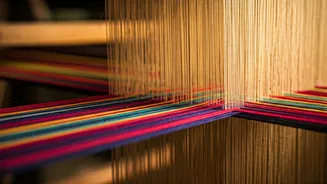
Handlooms in India represent far more than just clothing; they are a cultural cornerstone. They embody centuries of inherited skills, linking generations
through their intricate designs and the stories embedded within each woven piece. The significance of handlooms goes beyond mere aesthetics. They are a source of livelihood for millions, particularly in rural India, and represent a crucial element of the nation's cultural identity. These textiles reflect regional diversity, with each state boasting unique weaving techniques and styles. From the vibrant silks of Banaras to the delicate cottons of Bengal, handlooms mirror the rich tapestry of Indian heritage and the resilience of its craftspeople. They are testaments to India's artistic legacy.
Challenges in the Crossfire
Despite their cultural importance, handlooms face significant challenges. The industry grapples with issues like the encroachment of power looms, which often produce cheaper imitations, thereby undermining the economic viability of handloom production. The rising costs of raw materials, coupled with a lack of access to modern technologies and market linkages, further exacerbate the difficulties faced by weavers. These issues are especially challenging for weavers who are struggling to compete with machine-made textiles and the lack of recognition for their skilled craftsmanship. They also have to combat a lack of resources and proper support structures, and the decline of demand, as younger generations shift to faster fashion trends. Supporting handlooms requires comprehensive strategies that address these multifaceted problems.
Innovation in Handlooms
To overcome these challenges, handloom producers are embracing innovation and adopting sustainable practices. Many weavers are experimenting with new fibers, designs, and production methods to appeal to contemporary consumers. They are incorporating eco-friendly materials and dyes, along with collaborating with designers to create modern yet authentic products. The goal is to bring handlooms into the forefront of sustainable fashion, and to highlight their unique value proposition. Initiatives like these create a pathway toward the revival of the handloom industry. These efforts demonstrate that tradition and modernity can coexist, creating value that is both artistic and sustainable.
Sustainable Fashion's Role
The fashion industry plays a pivotal role in supporting India’s handloom industry and its artisans. By choosing handloom textiles, designers and consumers alike promote ethical sourcing, and environmental responsibility. Initiatives that support handloom weavers will enhance their visibility. Sustainable fashion, in this context, entails much more than a trend; it's a movement towards preserving traditional skills and providing economic opportunities. Consumers are increasingly willing to pay more for ethically produced goods, further contributing to the growth and sustainability of the handloom sector. This collective action helps to ensure the survival of the art form and support the communities involved in creating this iconic art.
The Future of Weaving
The future of the Indian handloom industry depends on a combination of cultural appreciation, economic support, and technological innovation. Government initiatives, such as subsidies and marketing campaigns, play an essential role in preserving this legacy. Further support through skill development programs would allow weavers to develop new skills. It is equally important to make it easier for weavers to participate in the marketplace by expanding their digital presence and creating better access to markets. By embracing these strategies, India can ensure that its handloom heritage continues to thrive and inspire future generations. The handloom's future is not just about survival; it is about flourishing, evolving, and contributing to a more sustainable and equitable world.