



The Cycle of Style
Fashion is a perpetually revolving door, with styles from past eras making triumphant returns, often with a fresh, contemporary twist. Think of the resurgence
of 70s bohemian vibes or the ongoing fascination with 90s grunge aesthetics. These revivals aren't random; they are often driven by a collective nostalgia and a desire to reinterpret vintage elements for a modern sensibility. Designers draw inspiration from historical archives, reinterpreting silhouettes, fabrics, and color palettes to resonate with current tastes. The way we consume fashion also plays a role; the rapid pace of the industry means that what was once cutting-edge can quickly become a retro statement, ripe for rediscovery by a new generation. Understanding this cyclical nature helps us appreciate the enduring appeal of certain fashion archetypes and predict what might be on the horizon next. It's a fascinating interplay of history and innovation that keeps the fashion landscape perpetually exciting and ever-evolving.
Influences Shaping Trends
The genesis of fashion trends is a multifaceted phenomenon, influenced by a rich tapestry of societal, cultural, and technological factors. Major global events, economic shifts, and political climates invariably leave their mark, dictating the mood and direction of what people wear. For instance, periods of austerity might see a rise in practical, minimalist styles, while times of prosperity could usher in bolder, more flamboyant expressions. The influence of cinema, music, and art is equally profound, with iconic figures and movements often becoming unintentional trendsetters. Furthermore, the digital age has democratized fashion, allowing for faster dissemination of ideas and the rise of social media influencers who now wield considerable power in shaping consumer preferences. This interconnectedness means that trends can emerge from unexpected corners of the globe, driven by a diverse array of stimuli and reaching a vast audience with unprecedented speed.
Key Style Elements
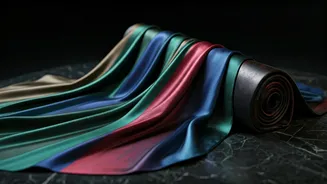
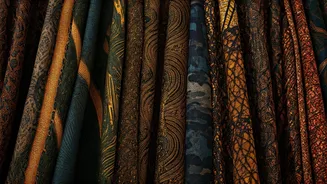
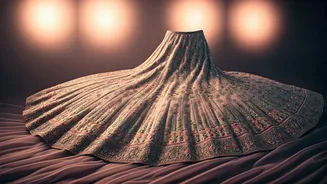
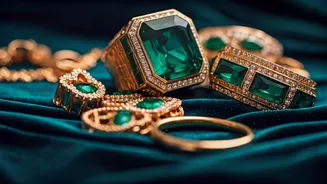
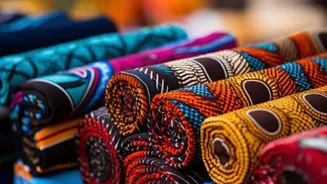
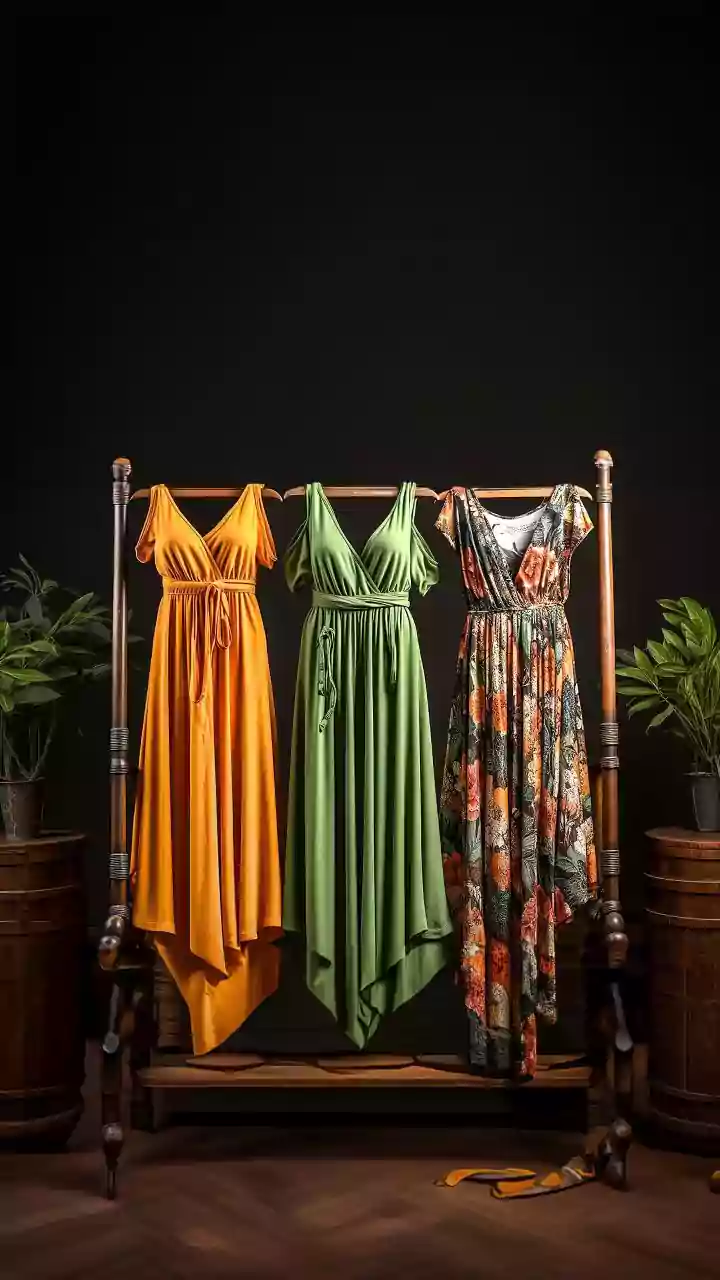
Certain fundamental elements consistently define and redefine fashion trends throughout history. Silhouette, the overall shape of a garment, is paramount; consider the shift from the voluminous skirts of the mid-20th century to the more streamlined, body-conscious forms that followed, and then the return of oversized, relaxed fits in recent years. Fabric innovation also plays a crucial role, with advancements in textiles allowing for new textures, drapes, and functionalities that enable designers to experiment. Color palettes are another powerful trend indicator, with certain hues or combinations becoming emblematic of specific eras – think of the vibrant neons of the 80s or the earthy tones popular in sustainable fashion movements. Details like embellishments, necklines, and sleeve designs are the finer points that often signal a garment's stylistic period, providing the nuanced cues that allow us to date and categorize different fashion moments. These core components, when manipulated and combined, form the bedrock of evolving style.